
 Aug, 26 2026
Heartburn Risk Calculator
Answer the following questions to estimate your current risk of experiencing heartburn or acid reflux.
Your Estimated Risk Level
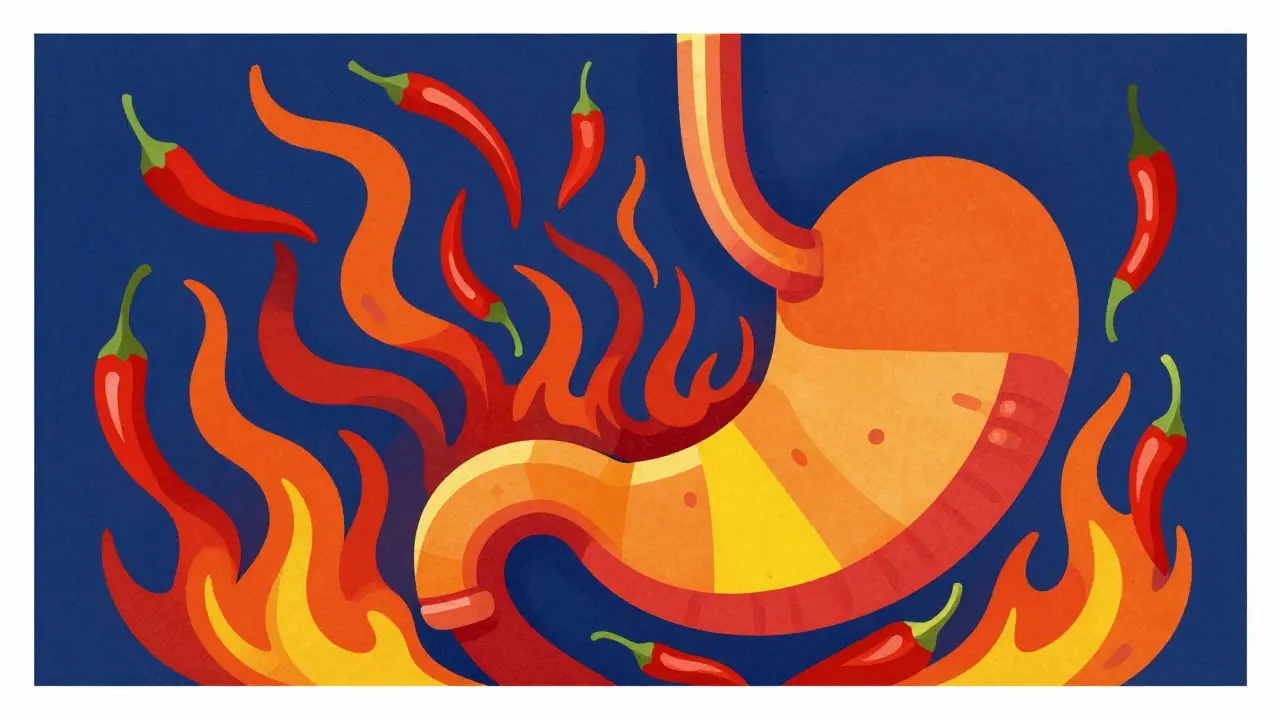
That burning sensation in your chest after a big bowl of chili or a strong cup of coffee is more than just discomfort. It’s a signal that your lower esophageal sphincter (LES) isn’t sealing the stomach properly. For many people, this happens because of spicy foods. But if you’re already taking medications for blood pressure, asthma, or osteoporosis, the mix can turn a mild ache into severe heartburn. The good news? You don’t have to give up every pepper or stop your meds. You just need to understand how they interact and tweak your routine.
Why Spicy Food Triggers That Burn
The culprit in hot peppers is capsaicin. This compound doesn’t just make your mouth tingle; it physically relaxes the LES muscle at the bottom of your esophagus. When that muscle loosens, stomach acid escapes upward. In sensitive individuals, LES pressure can drop by 30-40% within 30 minutes of eating spicy meals. This creates a direct pathway for acid reflux. While not everyone reacts the same way, about 65-75% of people with gastroesophageal reflux disease (GERD) report that spicy meals worsen their symptoms. It’s not just about heat level; it’s about how your specific body handles capsaicin.
Medications That Make Heartburn Worse
Some common drugs actually contribute to the problem. They either increase acid production or further relax the LES. If you take any of these, your risk of heartburn spikes when combined with trigger foods:
- NSAIDs like ibuprofen or aspirin: Chronic use increases GERD risk by 40-60% and can cause esophageal erosion.
- Beta-blockers: Used for hypertension, these are linked to a 22% higher risk of reflux symptoms.
- Bisphosphonates: Taken for osteoporosis, these pills can irritate the esophagus directly if not taken correctly.
- Theophylline: An asthma medication that relaxes the LES by about 28%.
When you combine a drug that weakens the LES with a meal that does the same, the door stays open longer. Acid flows back up more easily, leading to prolonged pain and potential damage over time.
How Antacids and PPIs Interact With Food
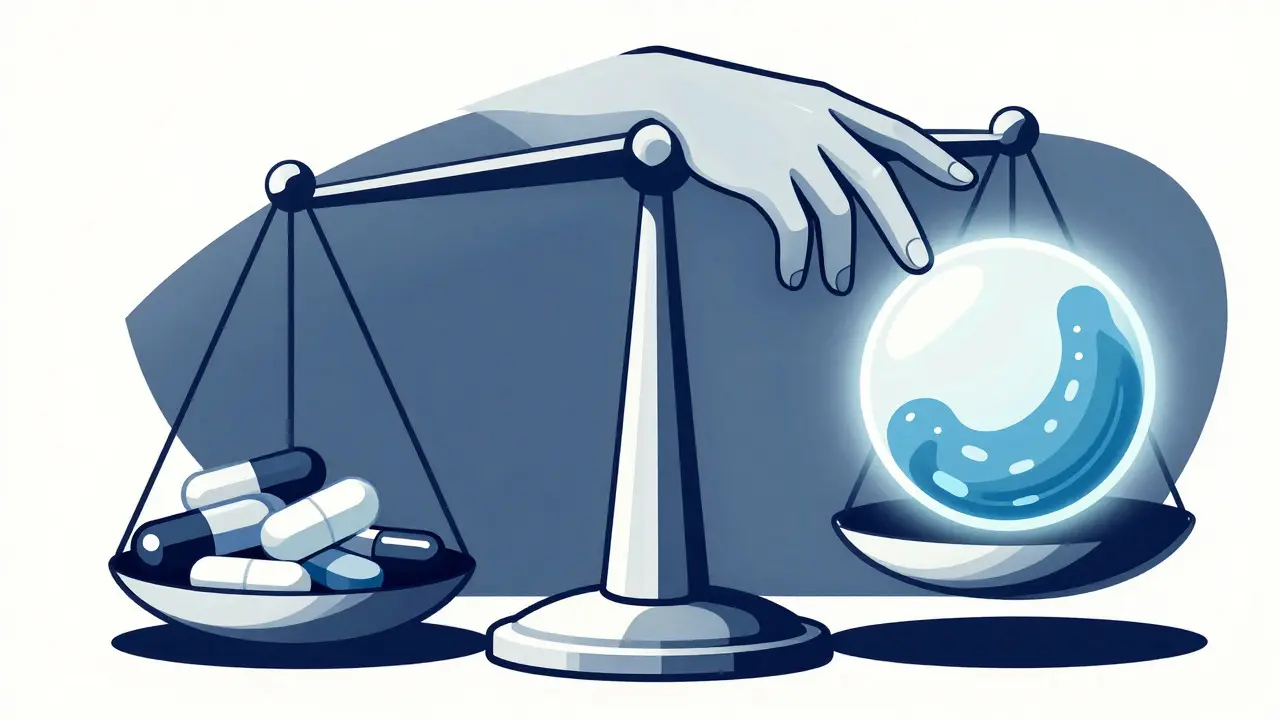
Many people reach for antacids like Rolaids or Tums for quick relief. They work fast-often within 2-5 minutes-but only last 30-60 minutes. If you eat spicy food right after taking them, the effect wears off quickly. Proton pump inhibitors (PPIs) like pantoprazole offer longer protection, but timing matters. Taking a PPI within two hours of consuming fatty, acidic, or spicy foods can reduce its absorption rate by 18-23%. This means the medication might not suppress acid as effectively as intended. To get the most out of your meds, take PPIs 30-60 minutes before your first meal of the day. Save antacids for immediate post-meal relief, but avoid using them more than three times a week without doctor approval.
Building Your Personal Trigger Map
Not all spicy foods affect everyone equally. Some people handle mild cumin fine but choke on cayenne. Others tolerate hot sauce but react to citrus or mint. The best approach is personalized testing. Try a 3-7 day elimination period where you remove suspected triggers. Then, reintroduce one food at a time, waiting 48 hours between each. Keep a simple diary noting what you ate, when, and how you felt afterward. After two weeks, most people can predict their personal triggers with high accuracy. This method works better than blanket bans, which often lead to unnecessary dietary restrictions.
| Option | Onset Time | Duration | Best For | Caveats |
|---|---|---|---|---|
| Antacids (e.g., Calcium Carbonate) | 2-5 minutes | 30-60 minutes | Immediate, occasional flare-ups | Short-lived; frequent use can cause electrolyte issues |
| H2 Blockers (e.g., Famotidine) | 30-60 minutes | 12 hours | Moderate, predictable symptoms | Less effective than PPIs for severe cases |
| PPIs (e.g., Pantoprazole) | 2-3 days for full effect | 24 hours | Chronic daily symptoms | Timing critical; long-term use requires monitoring |
Lifestyle Tweaks That Actually Work
Medication and diet are only part of the equation. Physical habits play a huge role in keeping acid down. Here are three changes that show measurable results:
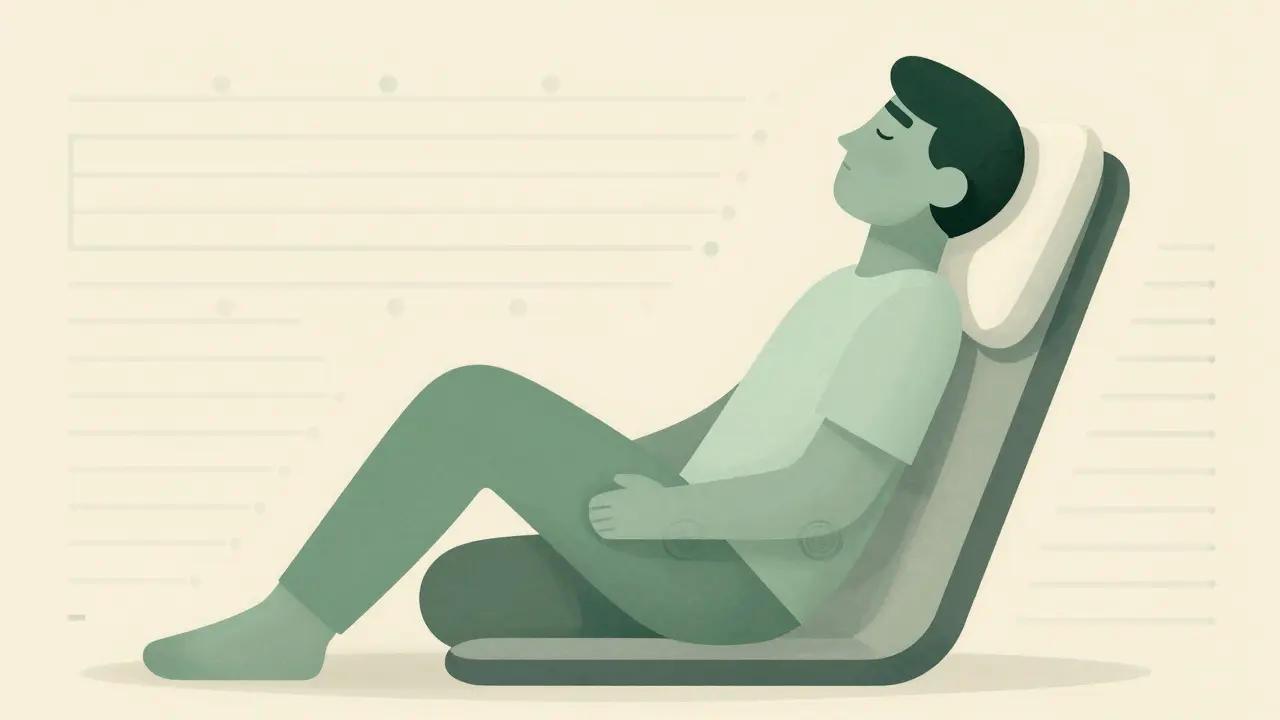
- Stay upright for 3 hours after eating. Lying down too soon allows gravity to fail. Staying vertical reduces nocturnal reflux by up to 60%.
- Elevate your head while sleeping. Use blocks or a wedge pillow to raise your head 6-8 inches. This uses gravity to keep acid in the stomach, cutting symptom frequency by 45%.
- Space out your meals. Eating smaller meals every 3 hours prevents the stomach from getting overly full. A distended stomach pushes against the LES, increasing leak risk.
These steps don’t require special equipment or expensive supplements. They rely on basic physics and consistent routine. Many patients find that combining these habits with targeted medication reduces their reliance on pills significantly.
When to See a Doctor
Most heartburn is manageable at home, but some signs point to deeper issues. If you experience difficulty swallowing, unexplained weight loss, or vomiting blood, see a gastroenterologist promptly. Also, if over-the-counter treatments don’t help after two weeks, it’s time for professional evaluation. Long-term use of PPIs carries risks like nutrient deficiencies or kidney strain, so regular check-ins ensure your treatment plan remains safe and effective. Don’t mask persistent symptoms with antacids alone; they treat the fire, not the spark.
Frequently Asked Questions
Can I eat spicy food if I take beta-blockers?
Yes, but be cautious. Beta-blockers can slightly relax the esophageal muscle, making you more sensitive to triggers like capsaicin. Start with mild spices and monitor your reaction. If heartburn occurs, consider reducing portion sizes or spacing out meals from your medication dose.
Do antacids interfere with other medications?
They can. Aluminum-containing antacids reduce the absorption of certain antibiotics like tetracycline and fluoroquinolones. To avoid this, take antacids at least one hour before or four hours after other pills. Always check your specific drug label for interaction warnings.
Is it better to stop spicy food completely?
Not necessarily. Research shows individual variability is high. Instead of banning all spicy food, identify your specific threshold through an elimination diet. Many people find they can tolerate moderate spice levels if they manage meal timing and portion control effectively.
How long should I wait after eating before lying down?
Wait at least three hours. This allows your stomach to empty sufficiently, reducing pressure on the lower esophageal sphincter. If you must lie down sooner, try sitting upright or walking gently to aid digestion.
What if my heartburn persists despite medication?
Persistent symptoms may indicate a different condition, such as a hiatal hernia or eosinophilic esophagitis. Consult a doctor for further testing, including endoscopy or pH monitoring, to rule out complications and adjust your treatment strategy accordingly.