
 Jun, 2 2026
Opioid Tolerance & Risk Assessment Tool
Assess Your Situation
Likely Status
- Primary Condition:
-
Select options and click Analyze.
⚠️ Critical Safety Warning
Lost Tolerance Detected
Based on your input, your body may have lost its tolerance to opioids. Returning to previous doses can be fatal.
Enter your details to check for tolerance risks and identify symptoms.
You take your prescribed pain medication exactly as directed. At first, it works like a charm. The pain fades, and you can finally move around without wincing. But a few weeks or months later, that same dose feels useless. You reach for another pill, then another, trying to get back to where you started. This isn’t just your imagination, and it’s not necessarily a sign of addiction. It’s a biological process called opioid tolerance.
Understanding why this happens is critical for anyone managing chronic pain or supporting someone who is. When the body adapts to opioids, it changes how drugs interact with your nervous system. This adaptation requires higher doses to achieve the same effect, creating a dangerous cycle that can lead to severe side effects or overdose if not managed carefully.
What Is Opioid Tolerance?
Opioid tolerance is a physiological state where repeated exposure to opioids reduces their effectiveness over time. According to the U.S. Food and Drug Administration (FDA), this occurs when "exposure to a drug induces changes that result in a diminution of one or more of the drug's effects over time" (FDA Drug Labeling, 2008).
Think of it like building up a resistance to caffeine. If you drink three cups of coffee every morning, eventually, one cup won’t give you the same buzz. Your body has adapted. With opioids, the stakes are much higher because the margin between a therapeutic dose and a toxic one is narrow.
The Centers for Disease Control and Prevention (CDC) makes a crucial distinction here. Tolerance is different from physical dependence and opioid use disorder (OUD). Dependence means your body adjusts its normal functioning around the drug, leading to withdrawal symptoms if you stop abruptly. OUD is a behavioral health condition involving compulsive use despite harm. Tolerance, however, is strictly about reduced response requiring increased dosage for the same effect (CDC Overdose Prevention Glossary, 2023).
The Biology Behind the Buzz Kill
To understand why doses need to increase, we have to look at what happens inside your brain. Most opioid drugs work by binding to specific receptors called mu-opioid receptors (MOR), encoded by the OPRM1 gene (MedlinePlus Genetics, 2023). These receptors act like locks, and opioid molecules are the keys. When they fit together, signals for pain are blocked, and dopamine is released, creating relief and sometimes euphoria.
But your brain doesn’t like being forced into a new equilibrium. When these receptors are constantly stimulated:
- Desensitization: The receptors become less responsive to the drug.
- Internalization: The cell pulls the receptors inside, removing them from the surface where they can interact with the drug.
- Downregulation: The body produces fewer receptors overall.
Research published in *Experimental and Therapeutic Medicine* (2021) highlights that inflammatory factors, such as TLR4 and NLRP3 inflammasomes, also play a significant role in speeding up this tolerance development. Essentially, your nervous system says, "We’ve got enough signal; turn down the volume." To hear the music again, you’d need to turn up the volume on the player-in this case, by taking more medication.
Tolerance vs. Dependence: Knowing the Difference
Confusing tolerance with addiction is common but dangerous. Let’s break it down clearly.
| Feature | Tolerance | Physical Dependence | Opioid Use Disorder (Addiction) |
|---|---|---|---|
| Definition | Reduced effect requiring higher doses | Body adapts; withdrawal occurs if stopped | Compulsive use despite negative consequences |
| Primary Driver | Neurobiological adaptation | Physiological adjustment | Behavioral and psychological factors |
| Withdrawal Symptoms | No (unless combined with dependence) | Yes (nausea, sweating, anxiety) | Yes, often intense |
| Control Issues | Not inherent | Not inherent | Inability to control usage |
A patient can develop tolerance and dependence while still using medication responsibly under medical supervision. Addiction involves a loss of control and continued use despite harm to relationships, work, or health. Recognizing this difference helps reduce stigma and encourages patients to seek help for pain management without fear of being labeled "addicts" simply because their bodies have adapted.

The Danger of Lost Tolerance
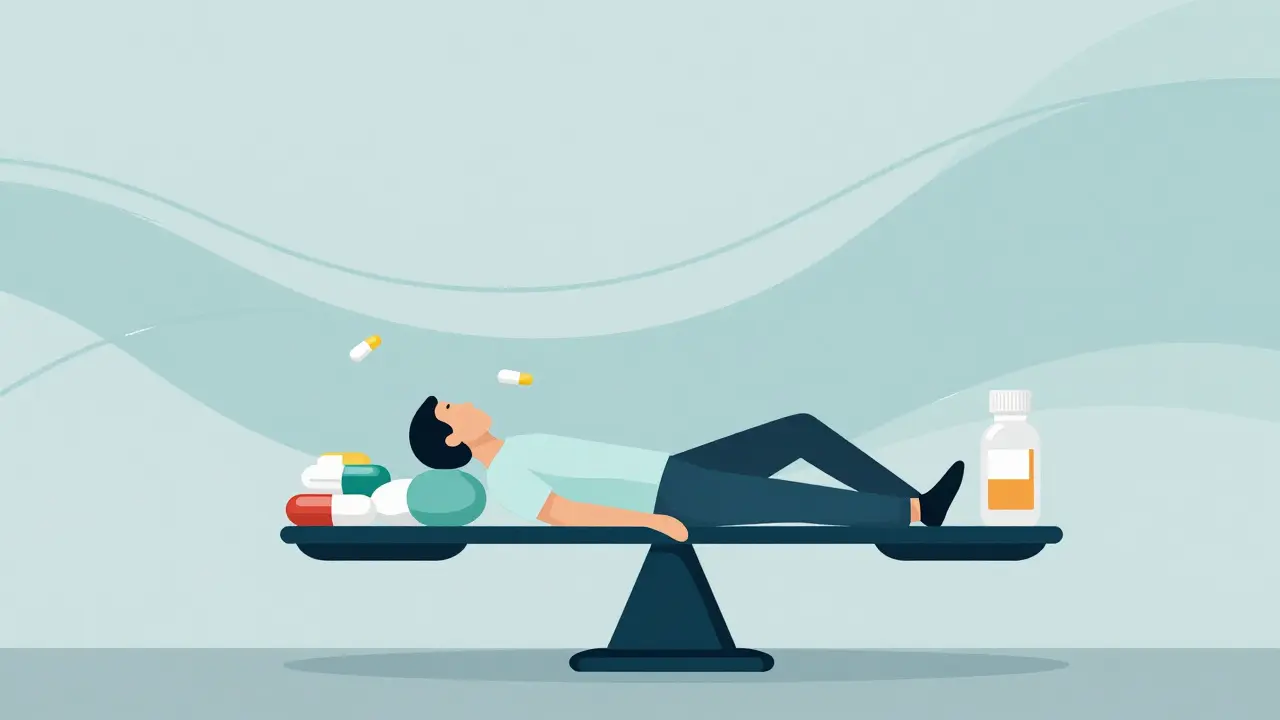
Here is where things get truly risky. Tolerance is not permanent. If you stop taking opioids-even for a short period-your body begins to reverse those adaptations. Receptors resurface, sensitivity returns, and your tolerance drops significantly.
This phenomenon explains a tragic statistic: approximately 74% of fatal opioid overdoses among people with opioid use disorder occur within the first few weeks after release from incarceration or rehab (Binswanger et al., 2013). Why? Because individuals return to their previous high doses, unaware that their bodies can no longer handle them.
The Providers Clinical Support System (PCSS) warns that patients "may lose their tolerance to an opioid if the drug is not taken for a period of time... making them significantly more vulnerable to overdose if they return to previous doses" (PCSS, 2023). Even a break of a few days can lower tolerance enough to make a previously safe dose lethal.
Managing Tolerance Safely
If you’re dealing with chronic pain, seeing your medication lose its punch is frustrating. Here’s how clinicians approach this challenge based on current guidelines.
- Reevaluate Goals: Before increasing doses above 50 morphine milligram equivalents (MME) per day, the CDC recommends reevaluating treatment goals. Often, higher doses provide diminishing returns while increasing side effects (CDC Guideline for Prescribing Opioids for Chronic Pain, 2016).
- Opioid Rotation: Switching to a different opioid can sometimes reset tolerance. Dr. B.J. Collett notes in the *British Journal of Anaesthesia* that "sequential opioid rotation" may be necessary when dose escalation yields intolerable side effects (Collett, 1998). Different opioids bind to receptors slightly differently, potentially bypassing some desensitized pathways.
- Multimodal Therapy: Combine opioids with non-opioid pain relievers like NSAIDs, antidepressants, or anticonvulsants. This allows for lower opioid doses while maintaining pain control.
- Monitor Closely: Regular check-ins with your doctor are essential. Blood tests can help determine opioid levels, but clinical assessment remains key (PCSS, 2023).
Never adjust your dose on your own. Escalating without medical oversight is the fastest path to respiratory depression-the primary cause of opioid-related death.
The Fentanyl Factor
The landscape of opioid tolerance has changed dramatically with the rise of synthetic opioids like fentanyl. In 2022, over 81,800 overdose deaths involved synthetic opioids (CDC National Center for Health Statistics, 2023). Fentanyl is 50 to 100 times more potent than morphine.
Dr. Ciccarone points out in the *International Journal of Drug Policy* that users with developed tolerance to prescription opioids often underestimate the potency of illicit fentanyl (Ciccarone, 2017). Street drugs vary wildly in concentration-sometimes by 50-fold within the same batch. A person used to taking five pills might unknowingly ingest a dose equivalent to fifty, leading to immediate respiratory arrest.
This mismatch between perceived tolerance and actual drug potency is a major driver of the current overdose epidemic. Public health campaigns now emphasize: "Your tolerance is lower now-start with a fraction of your previous dose" (CDC, 2023).
Future Directions: Breaking the Cycle
Researchers are actively working on ways to prevent or reverse tolerance. One promising avenue involves targeting the inflammatory pathways mentioned earlier. Studies show that inhibitors of TLR4 and NLRP3 inflammasomes could maintain analgesic efficacy without needing dose escalation (Spandidos Publications, 2021).
Another approach is combination therapy. Early trials using low-dose naltrexone alongside opioids have shown a 40-60% reduction in required dose escalation among participants (PCSS, 2023). Naltrexone blocks some opioid receptors, which paradoxically prevents the full desensitization process, keeping the remaining receptors more sensitive.
The FDA’s 2023 draft guidance encourages developing new analgesics that prioritize compounds with reduced tolerance potential (FDA, 2023). While we wait for these breakthroughs, understanding the mechanics of tolerance remains our best defense against the dangers of escalating doses.
How long does it take to develop opioid tolerance?
Tolerance develops at different rates for different people and different effects. Some patients notice diminished pain relief within weeks of regular use, while others maintain stability for months. Tolerance to side effects like nausea often develops faster than tolerance to pain relief. Genetic factors, metabolism, and usage patterns all influence the timeline.
Can you lose tolerance to opioids quickly?
Yes. Tolerance can decrease significantly after just a few days of abstinence. This is particularly dangerous for individuals returning to use after rehab, incarceration, or a period of recovery. Their bodies may no longer be able to handle previous doses, leading to a high risk of fatal overdose.
Is opioid tolerance the same as addiction?
No. Tolerance is a physical adaptation where higher doses are needed for the same effect. Addiction (Opioid Use Disorder) is a complex behavioral disease characterized by compulsive use despite harm. You can have tolerance without being addicted, especially when medications are used as prescribed for pain management.
What should I do if my pain medication stops working?
Contact your healthcare provider immediately. Do not increase your dose on your own. Your doctor may recommend opioid rotation, adding non-opioid therapies, or adjusting your treatment plan. Self-medicating increases the risk of overdose and severe side effects.
How does fentanyl affect opioid tolerance?
Fentanyl is extremely potent, often 50-100 times stronger than morphine. People with tolerance to weaker opioids may not realize how little fentanyl is needed to cause an overdose. Illicit fentanyl varies in strength, making it nearly impossible to gauge a safe dose, which drastically increases overdose risk even for tolerant users.
Mark Hogan
June 2, 2026 AT 14:53hey guys, just wanted to say this is super helpful info. i always thought if the meds stopped working it meant i was becoming an addict or something bad like that. but reading about tolerance being a biological thing makes so much sense now. its kinda like how you get used to caffeine right? my dad has been on these pills for his back pain for years and he keeps needing more. we never really talked about why, just assumed he was hooked. maybe we should have read stuff like this earlier lol. thanks for breaking it down simply.
Hassan Bukhari
June 3, 2026 AT 05:38Oh, please. The average person here wouldn't understand the nuance of neurobiological adaptation even if you spelled it out in crayon. It is pathetic how society conflates physiological necessity with moral failing. If you are smart enough to read this article, you realize that 'tolerance' is merely the body's efficient response to chronic stimulation, not a character flaw. Most people are too busy judging their neighbors to understand basic pharmacology. It’s truly embarrassing how little medical literacy exists in the general populace. You’re all walking around ignorant of your own biology.
Alexandre Desbiens
June 4, 2026 AT 10:35The distinction between tolerance, dependence, and opioid use disorder is clinically significant yet frequently misunderstood by laypersons. As noted in the post, tolerance is a homeostatic adjustment where receptor sensitivity decreases over time due to continuous exposure. This is distinct from addiction, which involves compulsive behavior despite adverse consequences. It is crucial for patients to recognize that requiring higher doses does not inherently indicate a loss of control or addictive personality traits. Medical supervision remains paramount to mitigate risks associated with dose escalation. Furthermore, the role of inflammatory pathways such as TLR4 in accelerating tolerance development suggests potential therapeutic targets beyond simple dose increases. Patients should engage in open dialogue with their healthcare providers regarding multimodal pain management strategies rather than self-adjusting medication regimens.
Dave Villeneue
June 5, 2026 AT 09:00Your ignorance is staggering. You fail to grasp the lethal implications of lost tolerance. Do not assume safety based on past usage patterns. Death awaits those who ignore physiological reality. Stop guessing. Start listening to medical professionals. Your life depends on precision, not anecdotal comfort. Fentanyl potency varies wildly. One mistake ends everything. Wake up.
Rachel Harrypersad
June 5, 2026 AT 18:27i feel like everyone ignores the emotional toll this takes on families watching loved ones suffer through withdrawal or chasing that initial relief its exhausting and heartbreaking because no one talks about how lonely it feels when your body betrays you like that
William Storm
June 6, 2026 AT 14:32It is, frankly, a tragedy of modern medicine; that we rely so heavily on chemical crutches without understanding the profound philosophical implications of altering our own consciousness. One must ask: what is pain, if not a signal? And by silencing it, do we not silence ourselves? The concept of 'tolerance' is merely the body's rebellion against artificial equilibrium. We seek comfort, yet comfort breeds numbness. A dangerous paradox, indeed. Society demands productivity, yet prescribes oblivion. How ironic.
Wendy Engelmann
June 6, 2026 AT 19:24I appreciate the clarity provided in this article. It is important to remember that developing tolerance is a natural physiological process and not a reflection of personal weakness or failure. Many individuals manage chronic pain responsibly for years without progressing to addiction. Support systems play a vital role in helping patients navigate these changes safely. Encouraging open communication with healthcare providers can alleviate anxiety and ensure appropriate adjustments to treatment plans. Remember that seeking help is a sign of strength, not defeat.
Lisa Thomas
June 7, 2026 AT 14:01This is terrifyingly real!! I had a friend go through rehab and then relapse after just two weeks off meds and ended up overdosing because she took her old dose 😱 Everyone needs to know that tolerance drops SO fast. Please share this everywhere!
Nicholas Bowling
June 8, 2026 AT 18:58oh sure blame the biology but lets not talk about how big pharma pushes these drugs onto unsuspecting victims who just want to function in society without constant agony its a system designed to keep you dependent and profitable not healthy
Jay Foreman
June 9, 2026 AT 14:05Look, I get that people are scared, but let's not act like doctors are the enemy here. They are trying to follow guidelines that are constantly changing. The CDC recommendations are strict for a reason. It’s not about punishment; it’s about survival. We need to stop demonizing pain management and start focusing on safe practices. Opioid rotation isn’t some shady trick; it’s a legitimate medical strategy to reset receptor sensitivity. Let’s support each other instead of tearing down the system that keeps us alive.