
 Sep, 1 2026
You are three weeks pregnant. You have a nasty headache, or maybe a stubborn acne flare-up, or you just woke up with a sinus infection that won't quit. Your instinct is to reach for the nearest pill bottle in your bathroom cabinet. But then doubt creeps in. Is this safe? Will it hurt the baby?
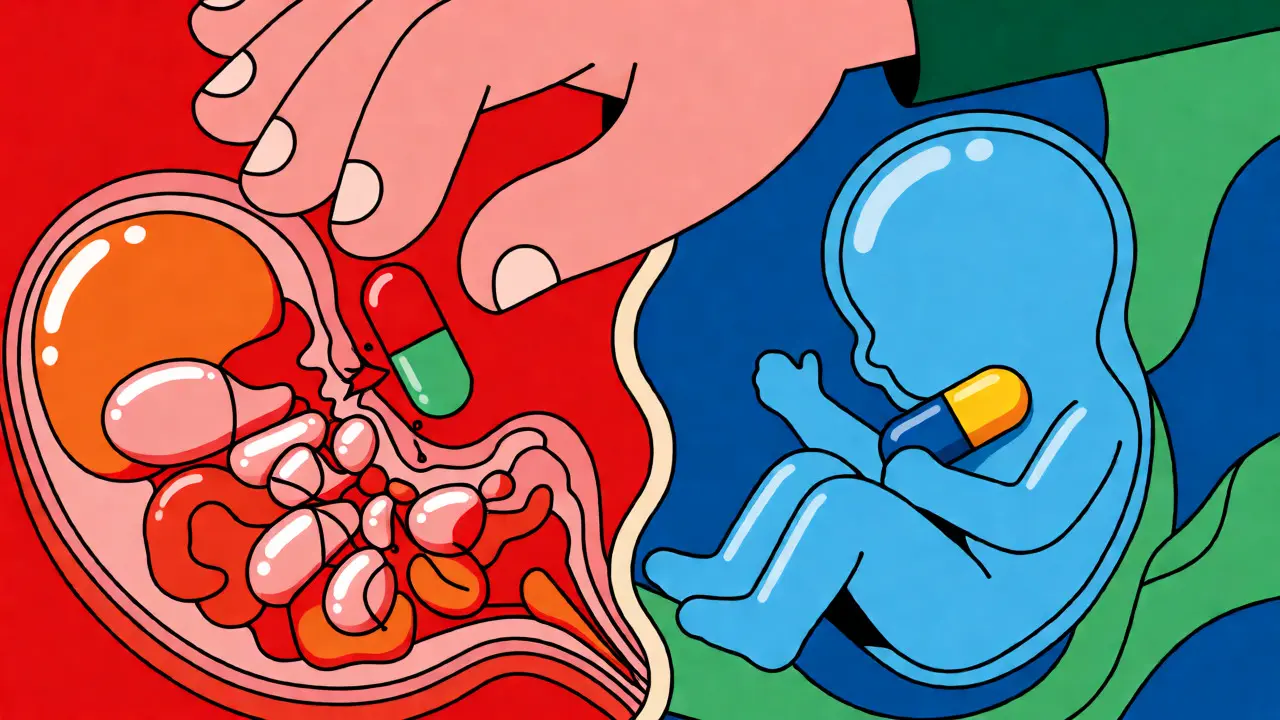
This anxiety is justified. While most pregnancies go smoothly without major issues, teratogenic medications are real substances that can cause structural or functional abnormalities in a developing fetus. The term "teratogen" comes from the Greek word for monster, a grim reminder of the thalidomide tragedy in the late 1950s that changed how we view drug safety forever. Today, about 4% to 5% of congenital disorders are linked to fetal exposure to these drugs.
The tricky part isn’t just knowing which drugs are dangerous-it’s understanding the timing. A medication that might be harmless at week 20 could be risky at week 6. And here is the kicker: many women take these medications before they even know they are pregnant. A 2023 study found that over 70% of teratogenic exposures happened before prenatal care started. So, what do you actually need to avoid, and what can you safely take instead? Let’s break down the risks, the critical windows of vulnerability, and the smart alternatives available in 2026.
Understanding the Critical Windows of Vulnerability
Not all stages of pregnancy carry the same level of risk for drug-induced damage. The American College of Obstetricians and Gynecologists (ACOG) highlights two distinct periods where medication effects differ significantly.
The first is the embryonic stage, spanning weeks 3 to 8 of gestation. This is when organs form. If a teratogen interferes during this window, the result is often a major structural malformation-think heart defects, limb abnormalities, or neural tube issues. It is the highest-risk period for visible physical changes.
The second is the fetal period, from week 9 until birth. During this time, organs are growing and maturing rather than forming. Exposure here is less likely to cause gross structural defects but can lead to functional problems, growth restrictions, or neurological issues. For example, some antibiotics that are safe early on might affect tooth development or bone growth later in pregnancy.
Dr. Christina Chambers, a leading expert in teratology, notes that while the embryonic period is critical for structure, the fetal period carries greater risk for subtle deficits. This distinction matters because stopping a medication abruptly in the second trimester might solve one problem while creating another. Always consult your provider before making changes, especially if you manage chronic conditions like epilepsy or hypertension, where untreated disease poses its own severe risks.
High-Risk Medications You Need to Know
Some drugs have such a well-documented link to birth defects that they are generally contraindicated unless there is no other option. These fall under what used to be called Category X, though the FDA replaced the letter system with more detailed labeling rules in 2015. Here are the heavy hitters you should watch out for:
- Isotretinoin (Accutane): Used for severe acne, this is perhaps the most notorious teratogen. Even short-term use can cause severe brain, heart, and facial defects. Women taking this must participate in strict monitoring programs requiring negative pregnancy tests and contraception.
- Warfarin: A common blood thinner that crosses the placenta easily. It is associated with warfarin embryopathy, which includes nasal hypoplasia and stippled epiphyses (bone calcification issues). Low-molecular-weight heparin is usually preferred as an alternative.
- ACE Inhibitors and ARBs: Commonly prescribed for high blood pressure, drugs like lisinopril or losartan can cause kidney failure, low amniotic fluid, and skull defects if taken in the second or third trimesters. They are often switched to labetalol or nifedipine once pregnancy is confirmed.
- Methotrexate: Often used for rheumatoid arthritis, psoriasis, and ectopic pregnancies, this drug interferes with cell division. It is strictly avoided in planned pregnancies due to high risks of miscarriage and birth defects.
- Tetracyclines: Antibiotics like doxycycline can discolor teeth and inhibit bone growth in the fetus if taken after the fourth month of pregnancy.
It is worth noting that not every antibiotic is off-limits. Penicillins and cephalosporins are generally considered safe. However, fluoroquinolones (like ciprofloxacin) are typically avoided due to concerns about cartilage damage, although recent data suggests the risk may be lower than previously thought.
| Drug Class | Risk Profile | Common Alternative |
|---|---|---|
| NSAIDs (Ibuprofen) | Premature closure of ductus arteriosus; kidney issues in fetus | Acetaminophen (Paracetamol) |
| SSRIs (some) | Persistent pulmonary hypertension in newborns (PPHN); withdrawal symptoms | Continue if benefit outweighs risk; monitor closely |
| Statins | Cholesterol synthesis disruption; limited human data | Dietary changes; stop during pregnancy |
| Benzodiazepines | Cleft lip/palate risk (debated); neonatal sedation | Therapy; non-sedating antihistamines for anxiety/sleep |
The Timing Trap: Why Pre-Pregnancy Planning Matters
Here is a sobering statistic: 68.5% of teratogenic medication exposures occur before a woman realizes she is pregnant. By the time you miss a period and take a test, you might already be four or five weeks along. That puts you squarely in the beginning of the embryonic window.
This creates a gap between legal recognition of pregnancy and biological vulnerability. Many states have abortion cutoffs around six weeks, yet prenatal care often starts at eight weeks median. If you are trying to conceive, or if you are sexually active and not using reliable contraception, assume you might be pregnant. Review your medications now, not later.
The CDC recommends consulting your healthcare provider three to six months before conception. This allows time to switch medications safely. Abruptly stopping certain drugs can be dangerous. For instance, quitting antiepileptic drugs suddenly increases seizure risk, which itself carries a 10-15% chance of fetal injury-higher than the 2-5% teratogenic risk of continuing the medication under supervision.
Symptom Management: What Can You Actually Take?
So, you have a cold, a headache, or heartburn. What is safe? The answer depends on the symptom and the trimester, but there are clear winners in the safety department.
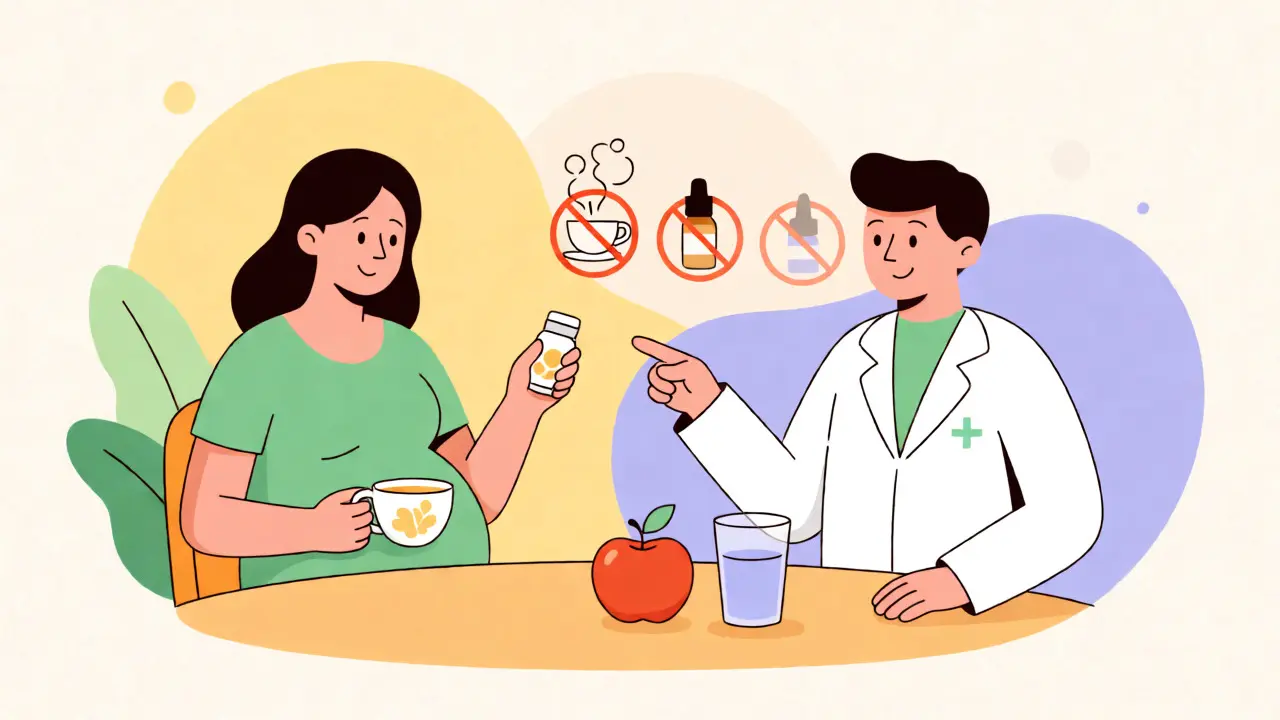
For pain and fever, acetaminophen (Tylenol) remains the gold standard across all trimesters. Major health bodies, including the Mayo Clinic and the American Academy of Family Physicians, consistently recommend it as the first-line analgesic. Avoid NSAIDs like ibuprofen and naproxen, especially in the third trimester, as they can affect fetal kidney function and heart circulation.
For allergies, chlorpheniramine has a long track record of safety. Second-generation antihistamines like loratadine (Claritin) and cetirizine (Zyrtec) are also widely considered safe and less sedating. Decongestants like pseudoephedrine are generally okay in the second and third trimesters but should be avoided in the first trimester due to mixed data on abdominal wall defects.
Heartburn is a frequent complaint. Most antacids containing calcium carbonate (Tums) or magnesium hydroxide are safe. H2 blockers like famotidine (Pepcid) are also acceptable. Proton pump inhibitors (PPIs) like omeprazole are commonly used, though data is slightly less robust than for H2 blockers, so they are usually reserved for cases where simpler options fail.
For nausea, vitamin B6 combined with doxylamine (Unisom SleepTabs) is the recommended first-line treatment. Ginger supplements can also help mild cases. If these don’t work, prescription options like ondansetron (Zofran) are available, though providers weigh the small potential risk against the benefits of preventing dehydration.
Navigating Chronic Conditions and Mental Health
If you live with a chronic condition, the conversation is more nuanced. Untreated illness often poses a greater threat to both mother and baby than the medication itself. Severe depression, uncontrolled diabetes, or poorly managed asthma can lead to preterm birth, low birth weight, or preeclampsia.
Take mental health, for example. There is ongoing debate about SSRIs and Persistent Pulmonary Hypertension of the Newborn (PPHN). While some studies suggest a slight increase in risk, the absolute risk remains low. Discontinuing antidepressants abruptly can lead to relapse, which is detrimental to maternal bonding and infant care. The consensus among experts is to continue effective medication if the psychiatric history indicates a high risk of relapse.
Similarly, for autoimmune conditions like lupus or inflammatory bowel disease, newer biologics are showing safer profiles than older immunosuppressants. Modified-release prednisone taken at bedtime has shown promise in reducing teratogenic risks compared to standard dosing, according to recent research in the New England Journal of Medicine. Always discuss these specifics with your specialist.
Tools and Resources for Decision Making
You don’t have to guess. Technology has caught up with medical guidance. The Organization of Teratology Information Specialists (OTIS) launched an app called BabyMed in 2024. It provides real-time risk assessments based on your specific gestational age and medication list, boasting 94.7% accuracy compared to specialist consultations.
Additionally, pharmacists are an underutilized resource. Ask them specifically about pregnancy safety when picking up prescriptions. They can check for interactions and flag high-risk drugs immediately. Remember, herbal doesn’t mean safe. Supplements like black cohosh, blue cohosh, and high doses of vitamin A can be problematic. Always disclose supplements to your doctor.
What if I took a prohibited medication before I knew I was pregnant?
Don’t panic. First, calculate how far along you were when you took the medication. Exposure before four weeks of gestation (two weeks after conception) often follows an "all-or-nothing" rule, meaning the embryo either survives unaffected or does not implant. Contact your obstetrician immediately. They will assess the specific drug, dose, and timing to determine if additional monitoring, such as a detailed anatomy ultrasound, is needed.
Are essential oils safe during pregnancy?
Use caution. Some essential oils, like rosemary, sage, and wintergreen, are best avoided in large amounts or undiluted forms because they can stimulate uterine contractions or contain compounds similar to aspirin. Lavender and peppermint are generally considered safe in diluted topical applications or aromatherapy, but always patch-test first and consult your provider.
Can I take my usual multivitamin?
Yes, but ensure it contains folic acid (at least 400 mcg) to prevent neural tube defects. Avoid vitamins with high levels of preformed Vitamin A (retinol), as excessive intake is teratogenic. Prenatal-specific multivitamins are formulated to meet pregnancy needs without exceeding safe limits for individual nutrients.
Why did the FDA change the pregnancy category letters?
The old A-X categories were too simplistic. A "Category C" drug, for example, could range from having no human data to showing significant animal toxicity. The new Pregnancy and Lactation Labeling Rule (PLLR) requires narrative descriptions of risks, clinical considerations, and data summaries, providing a much clearer picture for doctors and patients.
Is caffeine considered a teratogen?
Caffeine is not classified as a classic teratogen causing structural defects, but high consumption is linked to increased risk of miscarriage and low birth weight. Most guidelines recommend limiting intake to 200 mg per day (about one 12-oz cup of coffee).
Next Steps for Expectant Parents
Managing medication in pregnancy is about balance, not avoidance at all costs. Start by compiling a complete list of everything you take-prescriptions, over-the-counter meds, vitamins, and herbs. Bring this to your first prenatal visit, or better yet, schedule a preconception checkup if you are planning ahead.
If you discover you’ve been exposed to a high-risk drug, remember that context is key. One dose of a potentially risky antibiotic is different from years of isotretinoin use. Work with your healthcare team to create a tailored plan. Utilize resources like the OTIS Helpline or the BabyMed app for quick answers, but rely on your doctor for personalized advice. Staying informed empowers you to make choices that protect both your health and your baby’s development.