
 Aug, 18 2026
Heart Failure Monitoring Risk Assessor
Active Medications:
Select patient details and click "Assess" to generate a tailored monitoring protocol.
Managing heart failure isn't just about prescribing the right drugs; it's about knowing exactly when to check a patient's potassium levels or blood pressure. For most patients, standard protocols work well. But for older adults, women, and those with specific genetic backgrounds, the rules change. Special monitoring considerations are critical because these groups face higher risks of side effects like hyperkalemia or hypotension. If you're managing a complex case, generic advice often fails. You need targeted strategies that account for how different bodies process medications like SGLT2 inhibitors and mineralocorticoid receptor antagonists.
The goal here is simple: keep patients on their life-saving therapies without letting them bounce back and forth between hospital visits for preventable complications. We’ll look at who needs extra eyes on their vitals, what labs to track more frequently, and how to navigate the tricky intersection of aging kidneys and powerful diuretics.
Why Standard Protocols Fail Specific Populations
Guideline-directed medical therapy (GDMT) relies on four pillars: beta-blockers, ARNIs, MRAs, and SGLT2 inhibitors. While effective, these drugs don't affect everyone equally. The 2024 ACC Expert Consensus Decision Pathway highlights that real-world adherence to target doses is low, largely due to monitoring fears rather than drug inefficacy. For instance, many clinicians hold off on starting MRAs because they worry about potassium spikes. Yet, data shows that standardized monitoring can reduce inappropriate discontinuations by over 35%. The problem isn't the drug; it's the lack of tailored surveillance.
Consider the difference in drug exposure. Women have roughly 30% higher exposure to sacubitril-valsartan compared to men. This means a dose that is safe for a man might cause symptomatic hypotension in a woman. Similarly, non-Caucasian patients experience higher rates of hyperkalemia with MRAs-around 15.3% versus 8.7% in White patients. These aren't minor statistical footnotes; they are clinical red flags that demand adjusted monitoring frequencies. Ignoring these demographic nuances leads to under-treatment or adverse events.
Renal Function and Potassium: The MRA Challenge
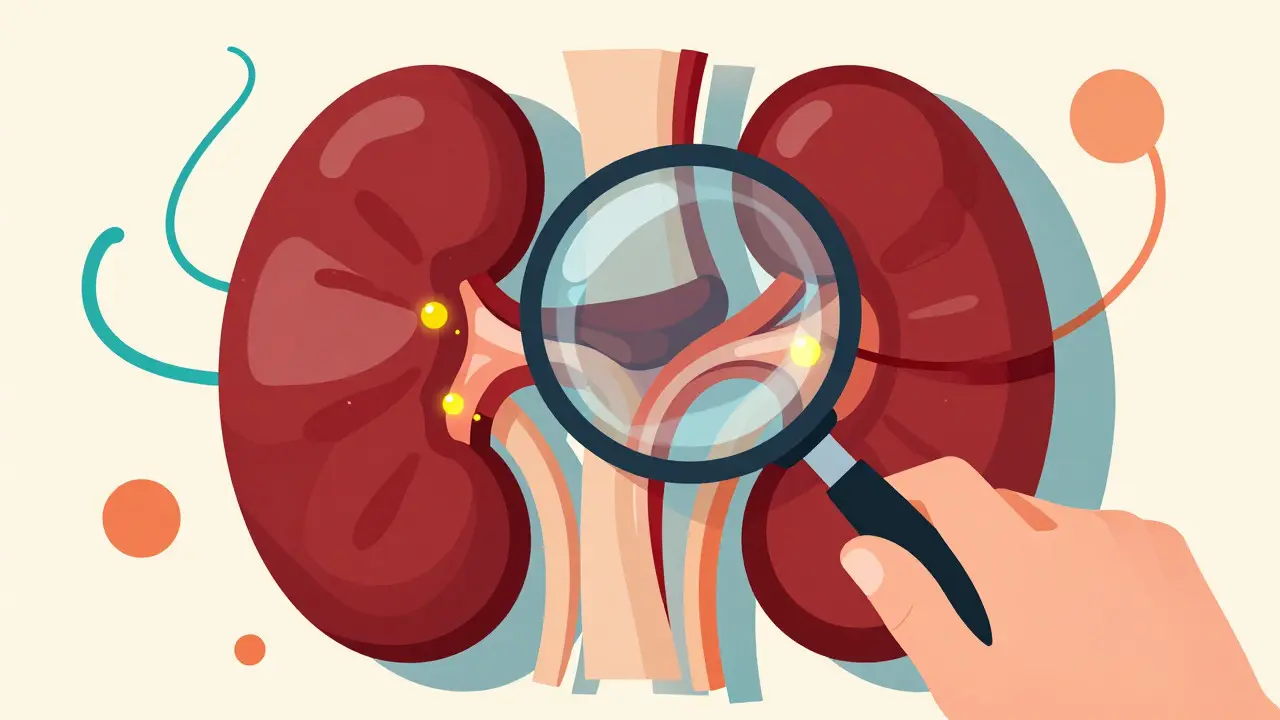
Mineralocorticoid receptor antagonists, such as spironolactone and eplerenone, are potent but unforgiving. They require the most intensive laboratory monitoring of all GDMT classes. The core issue is potassium retention. In elderly patients or those with pre-existing renal impairment, the margin for error is thin.
- Initial Checks: Serum potassium must be checked before initiation and again within 3-7 days after starting or increasing the dose.
- Ongoing Surveillance: Once stable, monitoring should occur every 3-6 months, but more frequently if renal function declines.
- Risk Factors: Patients with eGFR below 30 mL/min/1.73 m² or baseline potassium above 5.0 mmol/L need weekly checks initially.
A common pitfall is assuming that normal kidney function at baseline guarantees safety six months later. Renal function in heart failure patients fluctuates. A recent JACC analysis noted that inadequate monitoring is a primary barrier to MRA use, with nearly 70% of eligible patients never receiving the therapy. To fix this, consider integrating electronic health record alerts that flag potassium trends before they become dangerous. This proactive approach has been shown to decrease hyperkalemia-related discontinuations significantly.
Blood Pressure and Volume Status: ARNIs and SGLT2s
While MRAs worry us about electrolytes, Angiotensin receptor-neprilysin inhibitors (ARNIs) and SGLT2 inhibitors present different challenges. ARNIs like sacubitril-valsartan carry a risk of hypotension, especially during titration. The PARADIGM-HF trial reported symptomatic hypotension in 14% of patients on ARNIs versus 9.2% on enalapril. For frail older adults, this drop in blood pressure can mean falls and fractures.
SGLT2 inhibitors offer a different set of monitoring needs. They are generally easier to manage than MRAs, which explains their rapid adoption. However, they promote osmotic diuresis, leading to volume depletion. In elderly patients, this can mimic dehydration or worsen acute kidney injury. Additionally, there is a rare but serious risk of euglycemic diabetic ketoacidosis (DKA), where blood sugar levels remain normal despite high ketone levels. Clinicians must educate patients on symptoms like nausea and vomiting, even if they don't have diabetes. Monitoring volume status through weight tracking and physical exam is crucial, particularly in the first month of therapy.
| Medication Class | Primary Risk | Key Lab/Vital Check | Frequency (Initial) | Special Population Note |
|---|---|---|---|---|
| MRA | Hyperkalemia | Potassium, Creatinine | 3-7 days | Higher risk in non-Caucasians and CKD |
| ARNI | Hypotension | Blood Pressure | 1-2 weeks | Women have higher drug exposure |
| SGLT2i | Volume Depletion, DKA | Weight, Symptoms | Monthly | Elderly prone to dehydration |
| Beta-Blocker | Bradycardia | Heart Rate | Weekly | Target HR 50-60 bpm |
Age-Specific Adjustments: The Over-75 Cohort
Patients aged 75 and older represent a distinct group requiring careful dose adjustments. Their pharmacokinetics change; they clear drugs slower and have less physiological reserve. For example, if adding ivabradine for persistent tachycardia, the starting dose should be reduced to 2.5 mg twice daily instead of the standard 5 mg. This applies particularly to those with conduction defects or concomitant use of strong CYP3A4 inhibitors, which can increase ivabradine exposure by up to threefold.
In this age group, "start low and go slow" isn't just a slogan-it's a survival strategy. Frailty assessments should accompany medication changes. If a patient is losing weight unintentionally, suspect volume depletion from SGLT2 inhibitors or diuretics before blaming disease progression. Regular cognitive checks are also wise, as orthostatic hypotension from ARNIs can lead to confusion or falls, which are devastating in this demographic.
Sex-Based Differences and Hormonal Impacts
We often overlook sex as a variable in pharmacology, but it matters. As mentioned, women metabolize sacubitril-valsartan differently, leading to higher plasma concentrations. This doesn't mean they shouldn't take it, but it does mean titration should be more gradual. Monitor for dizziness closely during the first few weeks. Conversely, men may tolerate higher initial doses better but still require standard BP checks.
For female patients, menstrual history and hormonal status can influence fluid balance perception. While not a direct contraindication, understanding a patient's baseline fluid retention patterns helps distinguish between heart failure exacerbation and normal cyclical changes. This nuance prevents unnecessary diuretic escalations that could tip the patient into hypovolemia.
Leveraging Technology for Remote Oversight
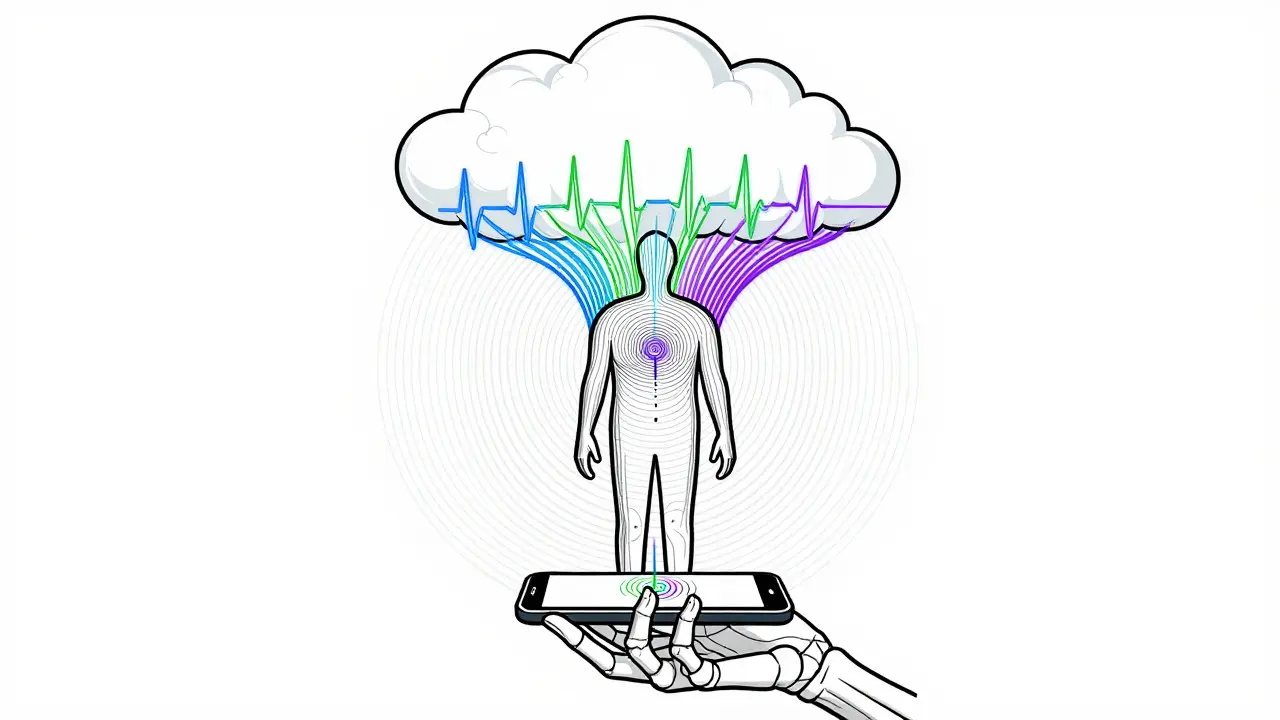
You don't always need a blood draw to catch trouble early. Implantable pulmonary artery pressure sensors, like those used in the CHAMPION trial, have shown a 30% reduction in hospitalizations for high-risk patients. By tracking hemodynamics continuously, these devices alert clinicians to rising pressures before symptoms appear. While currently limited to 1.2% of eligible patients due to cost and invasiveness, they represent the gold standard for high-risk monitoring.
For those who can't get an implant, remote telemonitoring offers a practical alternative. Smartphone apps that track weight, blood pressure, and heart rate can improve adherence by up to 27%. AI-powered systems are now entering the scene, analyzing EHR data to predict hyperkalemia risk with 83% accuracy. These tools don't replace clinical judgment, but they act as a safety net, flagging patients who need a lab test before they end up in the ER.
Practical Checklist for Clinicians
To make this actionable, here is a streamlined approach for your next complex heart failure visit:
- Review Demographics: Is the patient female? Over 75? Non-Caucasian? Adjust your monitoring frequency accordingly.
- Check Recent Labs: Look at the trend, not just the last value. A rising creatinine or potassium warrants immediate action.
- Assess Volume Status: Weigh the patient. Ask about thirst, dry mouth, or lightheadedness. Rule out SGLT2-induced dehydration.
- Titrate with Caution: Increase one drug at a time. Wait 2-4 weeks before the next adjustment to allow steady state.
- Set Up Alerts: Use your EHR to schedule automatic reminders for potassium and BP checks based on the specific drug profile.
By tailoring your monitoring to the individual, you turn potential crises into manageable adjustments. The data supports it: achieving target doses reduces mortality by 35% in HFrEF patients. But only if you monitor closely enough to keep them on board.
How often should potassium be checked in heart failure patients on MRAs?
Potassium should be checked before starting therapy, within 3-7 days after initiation or dose increase, and then every 3-6 months if stable. More frequent checks are needed if renal function is impaired or potassium levels are borderline high.
Do women need different dosing for sacubitril-valsartan?
Women have approximately 30% higher drug exposure to sacubitril-valsartan. While no formal dose adjustment is mandated by guidelines, clinicians should titrate more slowly and monitor blood pressure closely to avoid symptomatic hypotension.
What is the main risk of SGLT2 inhibitors in elderly patients?
The primary risks are volume depletion leading to acute kidney injury and rare cases of euglycemic diabetic ketoacidosis. Regular weight monitoring and patient education on symptoms are essential.
Can remote monitoring replace regular clinic visits?
Remote monitoring supplements but does not fully replace clinic visits. It is highly effective for detecting early signs of decompensation and improving adherence, but physical exams and comprehensive lab work still require in-person assessment.
What is the target heart rate for beta-blocker therapy?
The goal is typically a resting heart rate of 50-60 beats per minute. If the rate remains above 70 bpm despite maximal tolerated beta-blocker doses, adding ivabradine may be considered, with dose reductions for older adults or those with conduction issues.