
 Aug, 11 2026
Medication-Induced Sweating Relief Planner
Patient Profile
Select your medication details and click "Analyze" to see potential risk factors and relief strategies.
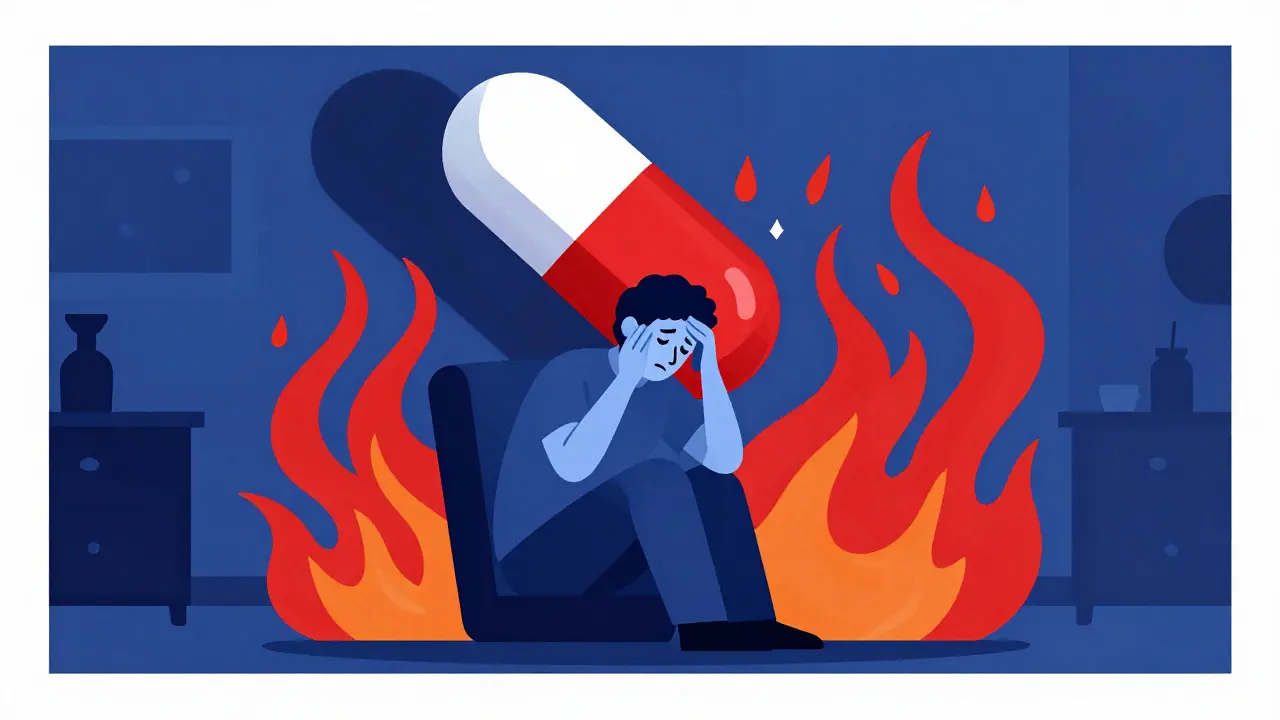
Imagine this: you’re sitting in a cool room, maybe even with the air conditioning on, but suddenly your shirt is soaked. Your heart races, and heat washes over your face. If you’ve started a new prescription recently, this isn’t just bad luck or a random body glitch. It’s likely your medication talking.
Drug-induced hyperhidrosis is excessive sweating caused by medications interfering with the body's thermoregulatory system affects roughly 14.8% of patients taking specific drugs, according to a 2023 meta-analysis in the *Journal of Clinical Pharmacy and Therapeutics*. That’s nearly one in seven people. The problem? Many suffer in silence, fearing their doctor will tell them to stop a life-saving treatment. But stopping isn’t always the answer, and managing these symptoms doesn’t have to mean giving up your health progress.
Why Your Medication Makes You Sweat
To fix the problem, you first need to know what’s breaking it. Your brain has a thermostat called the hypothalamus is the part of the brain that regulates body temperature, hunger, and thirst. When certain drugs hit your system, they confuse this thermostat. They might boost neurotransmitters like serotonin, trigger adrenaline spikes, or suppress hormones that keep your temperature stable.
This isn’t a vague possibility; it’s documented science. Over 120 prescription medications across 15 different classes can cause this. Here is how some common ones mess with your system:
- Antidepressants (SSRIs): Drugs like escitalopram (Lexapro) is a selective serotonin reuptake inhibitor used to treat depression and anxiety and sertraline (Zoloft) increase serotonin levels. This can disrupt thermoregulation in the hypothalamus, causing sweating in about 22.1% of users.
- ADHD Stimulants: Medications like dextroamphetamine-amphetamine (Adderall) is a central nervous system stimulant used to treat attention deficit hyperactivity disorder activate the sympathetic nervous system-the same "fight or flight" response that makes you sweat when you’re scared or stressed. Up to 34.7% of users experience this.
- Opioids: Painkillers like oxycodone and morphine cause mast cells to release histamine. This chemical reaction triggers sweating in over 41% of patients.
- Hormone Therapies: Breast cancer treatments like tamoxifen and anastrozole lower estrogen levels. Without enough estrogen, the hypothalamus gets confused about body temperature, leading to severe hot flashes in 78.4% of patients.
The key difference here is timing. Unlike primary hyperhidrosis, which often targets palms and feet, drug-induced sweating is usually generalized and frequently hits at night. A 2022 Cleveland Clinic study found that 31.6% of patients on antidepressants experience night sweats specifically.
Immediate Relief Strategies That Actually Work
Knowing why it happens helps, but it doesn’t dry off your sheets. So, what can you do right now? Experts from the International Hyperhidrosis Society suggest a tiered approach, starting with topical solutions before moving to medical interventions.
- Prescription-Strength Antiperspirants: Forget the stuff in the deodorant aisle. Dermatologists recommend antiperspirants containing 12-20% aluminum chloride hexahydrate. Apply this to completely dry skin at bedtime, 2-3 times a week. According to Dr. DeeAnna Glaser, a dermatology professor at George Washington University, this method has a 68.3% efficacy rate. You should see results within 7-10 days.
- Cooling Gear: If you’re dealing with intense hot flashes, passive cooling helps. Cooling vests, like the Arctic Heat Cool Vest, were shown in a 2022 University of California Davis study to reduce sweat episodes by 43.7% when worn for two hours during peak heat times. It sounds extreme, but for someone drenched in sweat daily, it’s a game-changer.
- Environmental Control: Keep your bedroom temperature below 65°F (18°C). Use breathable, moisture-wicking fabrics for bedding and clothing. Cotton traps heat; synthetic blends designed for sports performance pull moisture away from your skin.
Don’t underestimate the power of layering. On forums like BreastCancer.org, 92% of patients found wearing layered clothing helpful. It allows you to adjust instantly when a flash starts, rather than waiting until you’re soaking wet.

Adjusting Your Medication Regimen
If topical fixes aren’t enough, you might need to tweak how you take your meds. Never change your dosage without talking to your doctor, but there are proven strategies they can implement.
Timing Matters: Taking your medication in the morning instead of the evening can drastically reduce night sweats. Dr. Nilesh Shah from the Cleveland Clinic found that shifting dose timing reduced night sweats by 54.7% in antidepressant users. Simple, right? Yet many people don’t think to ask.
Dose Reduction: Sometimes, a smaller dose does the trick. The American Geriatrics Society recommends tapering down by 25% every 2-4 weeks if side effects are intolerable. In studies, 78.3% of patients maintained therapeutic benefits while significantly reducing sweating. This is especially relevant for older adults who may be more sensitive to drug side effects.
Switching Medications: If one drug causes sweating, another in the same class might not. For example, switching from anastrozole to exemestane helped one breast cancer patient reduce hot flashes from 15-20 daily episodes to just 3-4. This requires careful monitoring, but it’s a viable path for many.
| Strategy | Efficacy Rate | Best For | Key Consideration |
|---|---|---|---|
| Prescription Antiperspirants (Aluminum Chloride) | 68.3% | Mild to moderate generalized sweating | Must apply to dry skin at night; may irritate skin initially |
| Dose Timing Adjustment | 54.7% reduction in night sweats | Night sweats from SSRIs/stimulants | Requires consistent daily routine |
| Low-Dose Anticholinergics (e.g., Glycopyrrolate) | 73.2% reduction in episodes | Severe, refractory cases | Possible side effects like dry mouth; requires prescription |
| Cognitive Behavioral Therapy (CBT) | 50-60% symptom reduction | Hot flashes related to hormonal changes | Requires 6-8 weekly sessions; addresses psychological stress component |
| Switching Medication Class | Variable (up to 80% improvement in some cases) | Intolerable side effects where alternatives exist | Risk of withdrawal or loss of efficacy for underlying condition |
When Topical Fixes Aren't Enough: Medical Interventions
For those with severe cases-defined as sweating that soaks through clothes multiple times a day or disrupts sleep nightly-topical methods might fall short. Here, medical intervention becomes necessary.
Anticholinergic Medications: Drugs like glycopyrrolate block the chemical signals that tell your sweat glands to activate. The American Academy of Neurology suggests low-dose glycopyrrolate (0.5-1mg daily) for severe cases. Clinical trials show a 73.2% reduction in sweat episodes. However, these drugs can cause dry mouth, constipation, or blurred vision, so they require careful monitoring.
Non-Hormonal Options for Cancer Patients: Breast cancer patients often avoid hormone replacement therapy due to recurrence risks. Instead, the American Society of Clinical Oncology recommends non-hormonal options like paroxetine (an SSRI) at 10mg daily. This reduces hot flashes by 62.4% without interfering with cancer treatment. It’s a targeted approach that addresses the root cause of the hot flash rather than just the sweat.
New Approvals: The landscape is changing. In December 2023, the FDA approved Brimonidine Gel 0.33% (Mirvaso) for generalized hyperhidrosis. Phase 3 trials showed a 67.2% reduction in sweat episodes compared to placebo. This offers a new topical option for those who didn’t respond to aluminum chloride.
The Hidden Cost: Medication Adherence
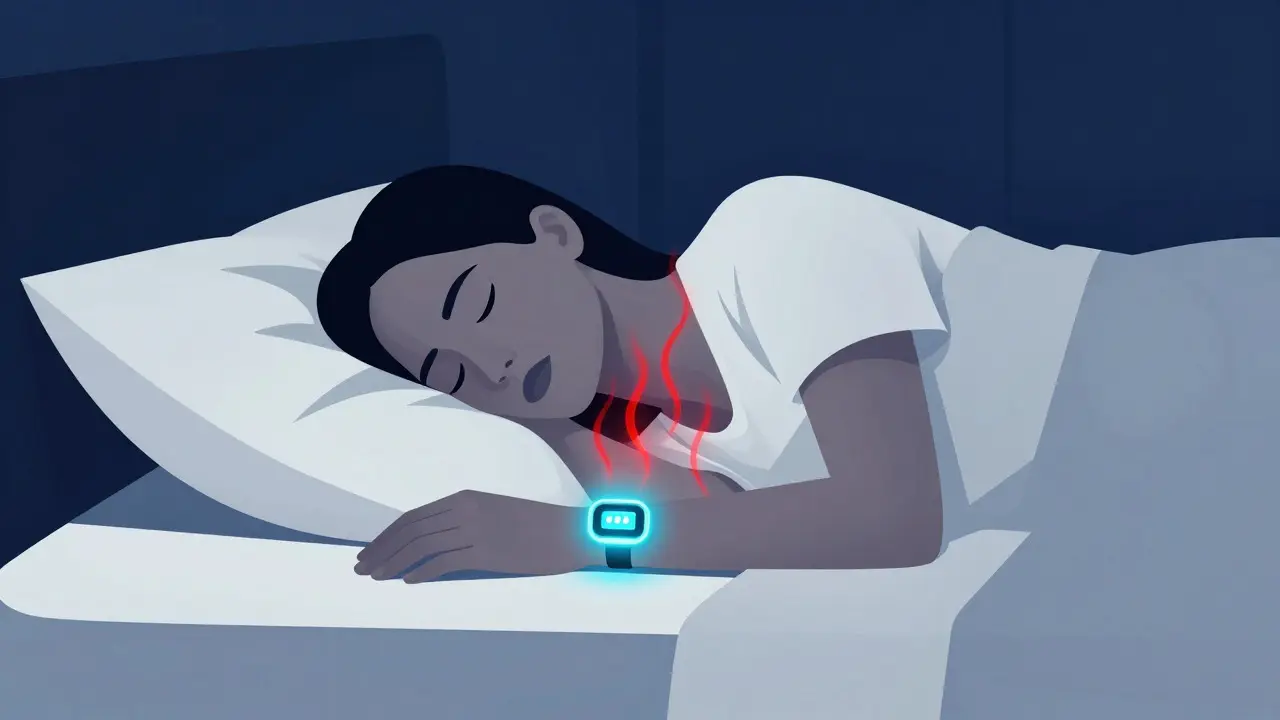
There’s a serious downside to ignoring this side effect. A 2021 study in *Patient Preference and Adherence* found that 28.7% of patients stopped taking their necessary medications because the sweating was intolerable. Think about that. People quit antidepressants, painkillers, and cancer treatments because they couldn’t handle the sweat.
This leads to worse health outcomes. Depression returns, pain becomes unmanageable, or cancer progresses. The goal isn’t just to stay dry; it’s to stay healthy. If you’re feeling tempted to skip doses, talk to your doctor immediately. There is almost always a middle ground-a different drug, a lower dose, or an added treatment-that lets you keep the benefit without the burden.
Looking Ahead: Future Solutions
We’re not standing still. The NIH launched a $4.7 million study in January 2024 to look at genetic factors, specifically HLA-DQB1 gene variants, which may make some people 3.2 times more susceptible to medication-induced sweating. Understanding your genetics could soon help doctors predict who will sweat and who won’t, allowing for preemptive adjustments.
Technology is also stepping in. Wearables like the SweatTech Smart Patch, currently in Phase 2 trials, use biosensors to detect the early onset of sweating and automatically activate cooling mechanisms. Imagine a patch that stops a hot flash before you even feel it. It’s no longer sci-fi; it’s in development.
Until then, the best strategy is proactive communication. Don’t wait for your next annual checkup. If your new medication is making you sweat, bring it up at your next visit. Ask about timing adjustments, prescription antiperspirants, or alternative drugs. You deserve to feel comfortable while getting better.
Which medications are most likely to cause sweating?
The most common culprits are antidepressants (especially SSRIs like Lexapro and Zoloft), ADHD stimulants (like Adderall), opioids (like OxyContin), and hormone therapies for breast cancer (like Tamoxifen). These affect between 22% and 78% of users depending on the specific drug.
How long does medication-induced sweating last?
It varies. For some, it’s temporary and fades after a few weeks as the body adjusts. For others, particularly those on long-term hormone therapies or high-dose antidepressants, it can persist as long as they take the medication. Dose adjustments or switching drugs often provide lasting relief.
Can I take over-the-counter supplements to stop sweating?
Some people try black cohosh or sage, but evidence is mixed. Always check with your doctor first, as supplements can interact with your current medications. Prescription-strength antiperspirants or low-dose anticholinergics have much stronger clinical backing for drug-induced cases.
Is night sweats from medication dangerous?
While uncomfortable and disruptive to sleep, night sweats themselves are rarely life-threatening. However, they can lead to dehydration or skin irritation. More importantly, they signal that your body is reacting strongly to the drug, which warrants a discussion with your healthcare provider to ensure you’re on the optimal treatment plan.
What should I do if my doctor dismisses my sweating complaints?
Keep a symptom diary tracking when the sweating occurs, its severity, and any potential triggers. Bring this data to your appointment. If your current provider remains unconvinced, consider seeking a second opinion from a specialist, such as a dermatologist or endocrinologist, who may be more familiar with advanced management strategies like prescription antiperspirants or anticholinergics.