
 Jul, 27 2026
Have you ever looked at the headlines about GLP-1 agonists are a class of medications that mimic natural gut hormones to control blood sugar and reduce appetite, revolutionizing how doctors treat obesity and type 2 diabetes? It feels like everyone is talking about them. From celebrities to your coworkers, these drugs have become the new standard for significant weight loss. But beneath the hype lies a complex reality. These aren't magic pills; they are powerful medical tools with real benefits and very real risks. If you are considering starting treatment, you need to understand exactly what happens inside your body, what results you can realistically expect, and whether the side effects are worth it.
How GLP-1 Receptor Agonists Actually Work
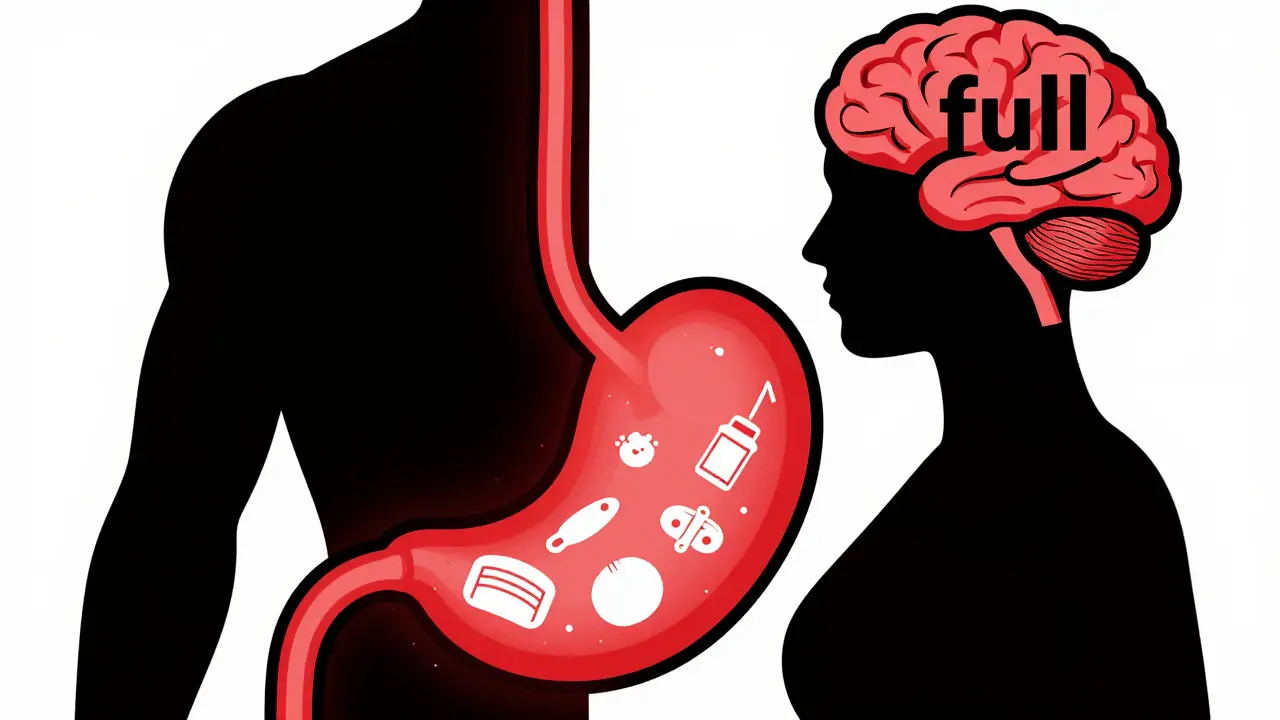
To understand why these drugs are so effective, we first need to look at your biology. Your body naturally produces a hormone called glucagon-like peptide-1 (GLP-1). This hormone is released by L cells in your gut after you eat. Its job is to tell your brain you're full, slow down how fast food leaves your stomach, and help your pancreas release insulin to manage blood sugar levels. The problem? Natural GLP-1 breaks down incredibly fast-within minutes-thanks to an enzyme called dipeptidyl peptidase-4 (DPP-4).
Semaglutide is a synthetic version of GLP-1 engineered to resist rapid breakdown, allowing it to stay active in the body for days rather than minutes. By mimicking this hormone but lasting much longer, GLP-1 receptor agonists keep the "I'm full" signal turned on for hours. They work on multiple fronts simultaneously:
- Appetite Suppression: They act directly on the hypothalamus in your brain, stimulating neurons that promote satiety while inhibiting those that trigger hunger. You simply feel less interested in food.
- Delayed Gastric Emptying: Food stays in your stomach longer, particularly during the first hour after eating. This physical fullness helps prevent overeating.
- Blood Sugar Control: They enhance insulin secretion when blood glucose is high and suppress glucagon, a hormone that raises blood sugar. This dual action stabilizes energy levels and reduces cravings for sugary foods.
This multi-target approach is why GLP-1s are different from older diet pills that just sped up your metabolism or suppressed appetite through stimulants. They address the root hormonal drivers of obesity.
The Weight Loss Results: What the Data Shows
When people ask if these drugs work, the answer is a resounding yes-but the degree of success varies by medication. Clinical trials provide clear benchmarks for what you might achieve.
Semaglutide, sold under the brand name Wegovy for weight management, has shown impressive results. In the STEP 4 clinical trial, participants lost an average of 15.8% of their body weight over 68 weeks. To put that in perspective, a person weighing 200 pounds could lose roughly 31 pounds. More importantly, 50.5% of users achieved at least 15% weight loss, compared to only 4.9% in the placebo group. This level of loss is clinically significant because it often leads to remission of type 2 diabetes and major improvements in heart health.
However, semaglutide isn't the only player. Tirzepatide, marketed as Zepbound for weight loss, takes a different approach. It is a dual agonist, meaning it targets both GLP-1 receptors and GIP (glucose-dependent insulinotropic polypeptide) receptors. In the SURMOUNT-2 trial, tirzepatide led to an even higher average weight loss of 20.9% at the highest dose. This suggests that combining hormonal pathways may unlock greater potential for weight reduction than targeting GLP-1 alone.
Older medications like liraglutide (Saxenda) still offer value but with more modest outcomes. The STEP 3 trial showed an average weight loss of 6.4% with liraglutide. While better than nothing, it falls short of the dramatic changes seen with newer agents. For context, traditional non-prescription methods or older prescription options like phentermine-topiramate typically yield 7-10% weight loss, making GLP-1 agonists a distinct leap forward in efficacy.
| Medication | Brand Names | Average Weight Loss | Administration | Key Mechanism |
|---|---|---|---|---|
| Semaglutide | Wegovy, Ozempic | 15.8% | Weekly Injection | GLP-1 Receptor Agonist |
| Tirzepatide | Zepbound, Mounjaro | 20.9% | Weekly Injection | GLP-1 + GIP Dual Agonist |
| Liraglutide | Saxenda | 6.4% | Daily Injection | GLP-1 Receptor Agonist |
| Phentermine-Topiramate | Qsymia | 7-10% | Daily Pill | Appetite Suppressant / Metabolic |
Navigating Side Effects: The Gastrointestinal Reality
If the benefits sound too good to be true, the side effects explain why. GLP-1 agonists are not gentle on the digestive system for many patients. Because these drugs slow down gastric emptying, your stomach processes food much slower than usual. This leads to a cluster of gastrointestinal symptoms that affect the majority of users.
Data from the New England Journal of Medicine and FDA prescribing information paints a clear picture:
- Nausea: Affects 70-80% of patients. It is usually most severe during the first four weeks as your body adjusts to the drug. About 30-40% experience moderate to severe nausea.
- Diarrhea: Reported by 50-60% of users.
- Vomiting: Occurs in 40-50% of patients, particularly if they eat large or fatty meals.
- Abdominal Pain: Experienced by 30-40% of individuals.
The good news? For most people, these symptoms are temporary. Studies show that frequency and severity drop significantly after 8 to 12 weeks as your body adapts. However, "temporary" doesn't mean easy. Many patients describe weeks 3 through 8 as brutal, with daily nausea making normal life difficult. Some quit entirely during this window.
Beyond the common GI issues, there are rarer but serious risks. The FDA requires a black box warning for thyroid C-cell tumors, which were observed in rodent studies. While it remains unknown if this risk translates to humans, anyone with a personal or family history of medullary thyroid carcinoma or Multiple Endocrine Neoplasia syndrome type 2 should avoid these drugs entirely. There have also been reports of gastroparesis (stomach paralysis) and gallbladder disease, likely due to the slowed digestion.
Cost, Access, and the Insurance Hurdle
Even if you can tolerate the side effects, getting the medication is a battle. The cost of GLP-1 agonists is staggering. As of recent data, Wegovy costs approximately $1,349 per month without insurance coverage. Ozempic, which contains the same drug but is approved for diabetes, runs about $935 monthly. For comparison, older weight loss medications like Qsymia cost between $100 and $200 per month.
Insurance coverage adds another layer of complexity. Only 37% of commercial health plans cover Wegovy specifically for obesity, according to a 2023 analysis by KFF. In contrast, 89% of plans cover GLP-1s for diabetes. This creates a frustrating situation where patients with identical BMIs get different treatments based on whether they have a diabetes diagnosis. Many end up paying out-of-pocket, which quickly becomes unsustainable for long-term use.
Supply chain issues compound the problem. Novo Nordisk, the manufacturer of semaglutide, reported backorders stretching up to 18 months in late 2023. High demand has consistently outpaced production, leaving millions of patients waiting for their prescriptions to fill.
The Long-Term Game: Will the Weight Stay Off?
Here is the hard truth no one wants to admit: obesity is a chronic disease. Like high blood pressure, it requires ongoing management. GLP-1 agonists are not a quick fix; they are a long-term therapy. When you stop taking the medication, the hormonal signals return to normal. Hunger comes back, gastric emptying speeds up, and metabolic rate shifts.
Clinical data supports this. The STEP 4 trial followed patients who stopped semaglutide after a year. Within 12 months of discontinuation, patients regained 50-70% of the weight they had lost. Dr. John Morton, chief of bariatric surgery at Yale, noted in the NEJM that these medications don't replace lifestyle intervention; they support it. Without continued use and sustained dietary changes, weight regain is the norm, not the exception.
This means committing to GLP-1 therapy is likely a lifelong decision for most people. You must be prepared for indefinite injections, ongoing costs, and regular medical monitoring. The American Diabetes Association now recommends GLP-1RAs as first-line therapy for type 2 diabetes with obesity, recognizing their role in long-term metabolic health rather than just short-term weight loss.
Practical Steps for Starting Treatment
If you decide to move forward, preparation is key. Don't just start the drug and hope for the best. Follow these evidence-based steps to maximize success and minimize suffering:
- Start Low and Go Slow: Doctors typically prescribe a titration schedule spanning 16-20 weeks. You start at a low dose (e.g., 0.25 mg weekly for Wegovy) and increase monthly. Never rush this process. Staying at a lower dose longer can help your body adjust and reduce nausea.
- Adjust Your Diet Immediately: Before you even take the first pill, change how you eat. Focus on small, frequent meals. Avoid high-fat and fried foods, as fat slows digestion further and worsens nausea. Prioritize protein and fiber to maintain muscle mass and satiety.
- Stay Hydrated: Dehydration exacerbates side effects like constipation and headaches. Drink water consistently throughout the day, not just with meals.
- Master the Injection: Most GLP-1s are self-administered via subcutaneous injection in the abdomen, thigh, or upper arm. Practice with your healthcare provider. 85% of patients learn to inject themselves correctly after just one demonstration.
- Monitor for Red Flags: Watch for severe abdominal pain, persistent vomiting, or signs of allergic reaction. Seek immediate medical attention if these occur.
Combining the medication with a modest caloric deficit (around 500 kcal per day) and regular physical activity yields the best results. The drug handles the hunger; you handle the habits.
Will I gain the weight back if I stop taking GLP-1 agonists?
Yes, for most people. Clinical trials like STEP 4 show that patients regain 50-70% of their lost weight within 12 months of stopping the medication. This happens because the drug's effect on appetite and gastric emptying disappears, returning your body to its previous metabolic state. GLP-1 agonists are generally intended for long-term or lifelong management of obesity, similar to how hypertension medications are used indefinitely.
What is the difference between Wegovy and Ozempic?
Both contain the same active ingredient, semaglutide. However, they are approved for different conditions and dosages. Wegovy is FDA-approved specifically for chronic weight management and uses a higher maximum dose of 2.4 mg weekly. Ozempic is approved for type 2 diabetes and typically maxes out at 1.0 mg or 2.0 mg weekly. While doctors sometimes prescribe Ozempic off-label for weight loss, Wegovy is the designated option for obesity treatment.
Are GLP-1 agonists safe for everyone?
No. They are contraindicated for people with a personal or family history of medullary thyroid carcinoma or Multiple Endocrine Neoplasia syndrome type 2. They may also not be suitable for those with a history of pancreatitis or severe gastroparesis. Always consult a healthcare provider to review your medical history before starting treatment.
How much do GLP-1 medications cost without insurance?
Without insurance, the cost is high. Wegovy averages around $1,349 per month, and Ozempic is approximately $935 per month. Prices can vary by pharmacy and location, but they remain significantly more expensive than older weight loss drugs like Qsymia, which costs $100-$200 monthly. Many patients struggle with affordability, leading to high rates of discontinuation.
Can I take GLP-1 agonists if I am pregnant or planning to conceive?
Generally, no. There is limited safety data for GLP-1 agonists during pregnancy. The FDA recommends women stop taking semaglutide at least two months before becoming pregnant due to the drug's long half-life. Men are also advised to discontinue use before attempting conception. Always discuss family planning with your doctor before starting treatment.
neal vince
July 28, 2026 AT 03:49You are ignoring the physiological reality of leptin resistance and hormonal dysregulation that makes simple caloric restriction impossible for many patients. The article clearly states these drugs target root hormonal drivers, not just "willpower." It is intellectually lazy to dismiss clinical data on GLP-1 efficacy based on outdated notions of self-control. The STEP 4 trial results are not anecdotal; they are statistically significant evidence of metabolic intervention.
Sinead Doyle
July 29, 2026 AT 13:40they r lying abt the safety data tho. look at the rodent studies again. thyroid cancer is just the beginning. big pharma wants us dependent on weekly shots so we never heal our gut naturally. the enzyme DPP-4 is supposed to break it down for a reason!! why mess with nature?? u think this is free money for them? its a trap. also my cousin took ozempic and now she cant digest meat properly lol. typical corporate greed.
Samuel Friday
July 30, 2026 AT 19:49The sheer mediocrity of relying on synthetic hormones to achieve what basic human evolution provided is pathetic. You are essentially lobotomizing your appetite center. It’s not weight loss; it’s metabolic surrender. And don’t get me started on the cost-$1,349 a month? Only the elite can afford to be healthy now. The rest of you can starve or suffer. 😒
Emily Schor
August 1, 2026 AT 10:00I think the key takeaway here is that it works for some people but isn't a magic bullet. The side effects section was really eye-opening regarding the nausea and vomiting rates. It makes sense that starting low and going slow is crucial if someone decides to try it. Good summary of the trials.
Arun Krishnan
August 3, 2026 AT 06:31This is great info. Many people feel shame about their weight, but seeing the science helps remove that blame. If your body needs help regulating hunger hormones, there is no shame in using tools to help. Just remember to stay hydrated and eat protein. You got this!
Bobby Christiansen
August 3, 2026 AT 11:04Ugh, everyone is just taking shortcuts now! 🙄 Real health comes from hard work and sweat, not a fancy injection that costs more than rent! It’s so unfair to those who actually diet and exercise. These drugs are ruining the concept of personal responsibility. Plus, looking like a deflated balloon isn’t exactly attractive either! 💀
anna arifiana
August 4, 2026 AT 21:26While the statistical significance of the weight loss percentages is undeniable, one must consider the long-term psychological impact of having one's satiety signals artificially manipulated by external pharmaceutical agents, which may lead to a disconnection from one's natural bodily cues, thereby creating a dependency loop that is both physically and mentally exhausting for the individual involved in such a regimen.
Marie-Gladys Darcelin
August 5, 2026 AT 16:20It is quite evident that the modern approach to wellness has devolved into a reliance on chemical crutches rather than genuine lifestyle reform. The notion that one requires a weekly injection to maintain a respectable physique speaks volumes about our collective decline in character and discipline. One should endeavor to master their own biology through rigorous self-denial and structured routine, not through the convenience of a prescription pad.
Kyle Bonnette-Lykens
August 6, 2026 AT 10:44nah its just another way to make money off sick people. the side effects are bad but people dont care bc they want quick fixes. insurance wont cover it anyway so only rich kids get thin now.
Jasmine Agito
August 7, 2026 AT 13:50I appreciate the detailed breakdown of the difference between Wegovy and Ozempic. It’s confusing for many patients since they contain the same active ingredient. For anyone considering this, please consult with an endocrinologist who can evaluate your specific risk factors, especially regarding thyroid history. The titration schedule mentioned is critical for minimizing GI distress.
Tony Malvagna
August 9, 2026 AT 06:44Look man, life is about finding balance and using every tool available to win! Why fight your own brain when you can hack it? Its all about mindset. If this drug helps you feel better and live longer, then rock it! Dont let haters stop you from becoming the best version of yourself. Stay positive and keep pushing forward bro!!
Jamie Rogers
August 10, 2026 AT 14:34This is such a comprehensive overview! I’m so glad someone finally explained the mechanism behind why these drugs work so well compared to older options. The part about regaining weight after stopping is scary but true. It really highlights that obesity is a chronic condition, not a temporary flaw. Sending love to everyone navigating this journey! ❤️