
 May, 25 2026
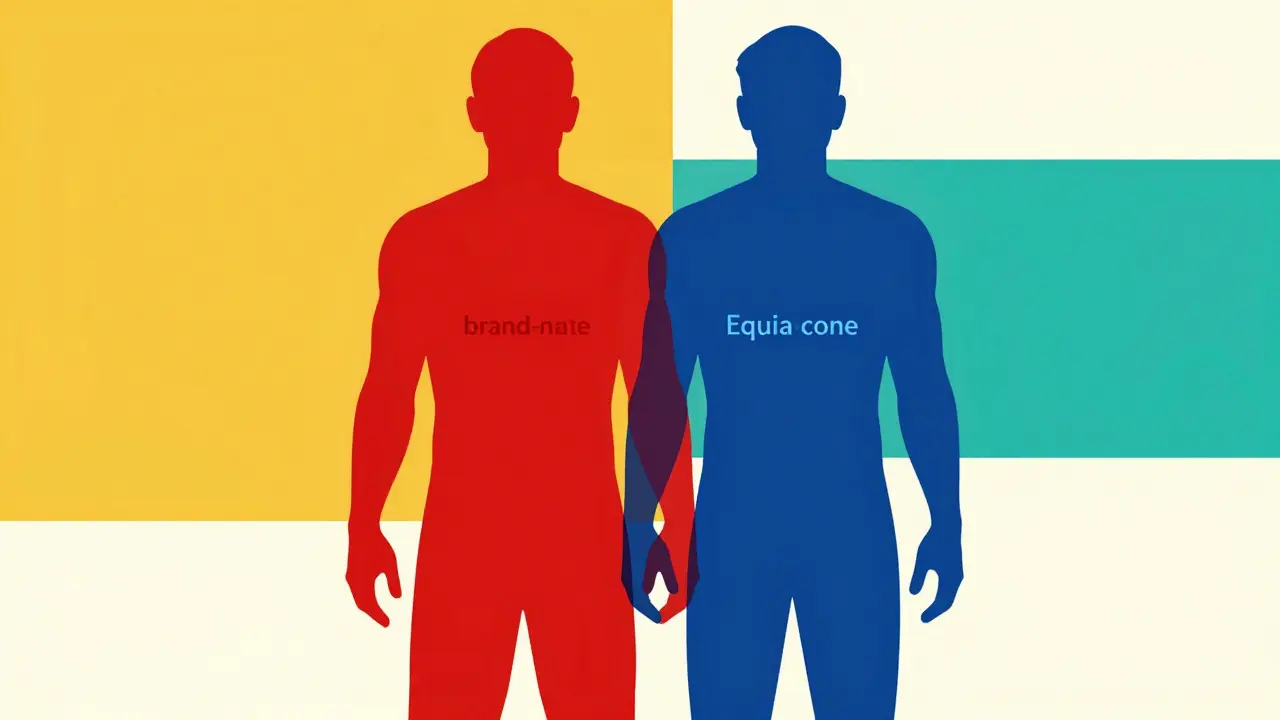
Most of us have stood in a pharmacy line, handed over a prescription for a brand-name medication, and watched the pharmacist hand back a generic version instead. It costs less, looks slightly different, but is it actually the same? For decades, this question has sparked debate among patients, doctors, and regulators. The short answer, backed by rigorous science, is yes-but understanding *why* requires looking under the hood at how the Food and Drug Administration (FDA) ensures that every generic pill meets strict standards of safety and efficacy.
The system we rely on today didn't appear overnight. It was born out of the Hatch-Waxman Act, formally known as the Drug Price Competition and Patent Term Restoration Act of 1984. This landmark legislation created a pathway for affordable generic competition while protecting patent holders for innovative drugs. Since then, generics have accounted for more than 90 percent of prescriptions filled in the United States, saving the healthcare system an estimated $37 billion annually. But with great volume comes great responsibility. How does the FDA ensure that a $5 generic antibiotic is just as safe and effective as its $200 brand-name counterpart?
The Two Pillars: Pharmaceutical Equivalence and Bioequivalence
To earn FDA approval, a generic drug must prove two things: pharmaceutical equivalence and bioequivalence. These aren't just buzzwords; they are legal and scientific benchmarks that dictate whether a drug can hit the market.
Pharmaceutical equivalence means the generic must contain the exact same active ingredient, strength, dosage form, route of administration, and conditions of use as the brand-name drug. If you’re taking a 500mg tablet orally once daily, your generic must match those specifics exactly. Minor differences in inactive ingredients-like dyes, binders, or fillers-are allowed, which explains why generics might differ in color, shape, or taste. However, these inactive components cannot affect the drug’s performance or cause allergic reactions in sensitive individuals.
Bioequivalence is where the real science kicks in. It ensures that the generic drug behaves in the body the same way as the brand-name version. Specifically, the FDA requires that the rate and extent of absorption show no significant difference between the two. To measure this, researchers conduct clinical studies comparing key pharmacokinetic parameters: Cmax (the maximum concentration of the drug in the blood) and AUC (the area under the curve, representing total exposure to the drug over time).
| Criterion | Requirement | Purpose |
|---|---|---|
| Active Ingredient | Identical to brand-name | Ensures therapeutic effect |
| Dosage Form & Route | Must match brand-name | Guarantees consistent delivery |
| Bioequivalence Range | 80%-125% confidence interval | Confirms similar absorption profile |
| Inactive Ingredients | May vary slightly | Allows manufacturing flexibility |
The FDA mandates that the 90% confidence interval for the ratio of geometric means of Cmax and AUC must fall within predefined acceptance limits of 80% to 125%. In plain terms, if a generic performs anywhere from 80% to 125% of the brand-name drug’s absorption profile, it’s considered bioequivalent. This range accounts for natural biological variability while ensuring clinical similarity.
Manufacturing Under the Microscope: cGMP Compliance
Even if a generic drug passes bioequivalence tests, it’s only half the battle. The other half lies in how it’s made. The FDA enforces Current Good Manufacturing Practices (cGMP), codified in Title 21 of the Code of Federal Regulations (CFR) Parts 210 and 211. These rules apply equally to both generic and brand-name manufacturers, leaving no room for shortcuts.
cGMP requirements cover everything from raw material sourcing to final product release. Manufacturers must maintain detailed written procedures for production, monitor critical parameters like temperature and humidity during processing, and perform rigorous quality control testing using validated methods. Every batch undergoes identity, strength, purity, and quality checks before being released to the market.
The FDA doesn’t just take manufacturers’ word for it. Each year, the agency conducts approximately 3,500 inspections across facilities worldwide. Inspectors review records, observe processes firsthand, and test samples independently. Non-compliance can result in warning letters, fines, or even facility shutdowns. Interestingly, about 50 percent of generic drugs are manufactured by the same companies that produce their brand-name counterparts, often in the very same plants. This overlap underscores the fact that quality isn’t determined by branding-it’s dictated by adherence to federal standards.

Navigating the ANDA Process: From Lab to Shelf
Before a generic drug reaches consumers, it must go through the Abbreviated New Drug Application (ANDA) process. Unlike new drugs, which require full clinical trials, generics leverage existing data from the brand-name Reference Listed Drug (RLD). Instead, applicants submit comprehensive chemistry, manufacturing, and controls (CMC) data alongside bioequivalence study results.
The review process typically spans several months to nearly a year, involving multiple cycles of feedback between the applicant and the FDA. During this time, the Office of Generic Drugs (OGD) works closely with the Office of Pharmaceutical Quality to evaluate all submitted materials. As of 2023, the OGD employs 750 staff members dedicated solely to reviewing generic applications-a testament to the scale and complexity of the task.
In fiscal year 2022 alone, the FDA issued 478 complete response letters requesting additional information and approved 892 original ANDAs. Thanks to the Generic Drug User Fee Amendments (GDUFA), first implemented in 2012 and reauthorized in 2017 and 2022, standard review goals have improved significantly, now targeting completion within 10 months for complete applications.
Complex Generics: When Simple Tests Aren’t Enough
Not all generics are created equal. While small-molecule tablets and capsules follow straightforward bioequivalence protocols, complex drug products like inhalers, long-acting injectables, and topical creams present unique challenges. These formulations may involve specialized delivery mechanisms, making traditional blood-level measurements insufficient.
To address this, the FDA has developed over 2,143 product-specific guidances covering 1,528 unique drug products as of May 2023. For complex generics, manufacturers must demonstrate “Q3 sameness”-a term referring to physicochemical and structural characteristics that ensure functional equivalence beyond basic bioavailability metrics. Additional tests might include in vitro characterization, pharmacodynamic studies, or even clinical endpoint trials.
Dr. Charles Ganley, former Director of the Office of Generic Drugs, acknowledged these complexities in a 2019 article published in the Journal of Generic Medicines: “Demonstrating equivalence for products like topical creams or inhalers requires more sophisticated testing approaches than simple blood level measurements.” Indeed, the FDA’s own 2022 report noted that 17% of complex product categories require enhanced methodologies beyond standard bioequivalence frameworks.
Real-World Impact: Patient Trust and Therapeutic Outcomes
All this regulatory rigor serves one ultimate goal: patient trust. According to a 2022 Consumer Reports survey of 1,200 U.S. adults, 89% reported satisfaction with generic medications, with 62% actively choosing them to save money. Yet skepticism persists, particularly around narrow therapeutic index (NTI) drugs-medications where slight variations in dosage can lead to significant health consequences.
A 2021 study in JAMA Internal Medicine found that 12.3% of patients switched between different generic versions of levothyroxine experienced thyroid level fluctuations requiring dose adjustments. Similarly, discussions on online forums like Reddit’s r/pharmacy community reveal anecdotal concerns, primarily involving seizure medications and blood thinners. While such cases highlight legitimate issues, they represent outliers rather than the norm.
Still, the FDA takes these reports seriously. Through initiatives like the Complex Generic Drugs Scientific Exchange, which has hosted 18 public workshops since 2017, the agency collaborates with industry and academic stakeholders to refine testing methodologies. Allocating $15.7 million specifically for complex generic research and development reflects a commitment to continuous improvement.
Looking Ahead: Innovation Meets Regulation
As the generic pharmaceutical market grows-from $135.7 billion in 2022 to an projected $180.3 billion by 2027-the FDA faces increasing pressure to balance affordability with innovation. Biosimilars, non-biological complex drugs, and novel delivery systems will demand even more nuanced evaluation criteria.
The FDA’s 2023-2027 strategic plan prioritizes developing advanced tools for assessing equivalence, emphasizing transparency and stakeholder engagement. Programs like Pre-ANDA meetings-which saw 1,243 sessions conducted in fiscal year 2022-facilitate early dialogue between regulators and developers, streamlining approvals without compromising safety.
Ultimately, the success of generic drugs hinges on public confidence. By maintaining rigorous standards, fostering scientific advancement, and addressing emerging challenges head-on, the FDA continues to uphold its mission: ensuring every dose is safe, effective, free of contamination, and worthy of trust.
Are generic drugs really as safe as brand-name drugs?
Yes. The FDA requires generic drugs to meet the same stringent standards for safety, efficacy, and quality as brand-name drugs. They must demonstrate pharmaceutical equivalence (same active ingredient, strength, dosage form) and bioequivalence (similar absorption rates in the body).
What does bioequivalence mean?
Bioequivalence means that a generic drug performs similarly to the brand-name version in terms of how quickly and completely it gets absorbed into the bloodstream. The FDA sets specific numerical ranges (80%-125%) to confirm this similarity.
Can I switch between different generic brands of the same drug?
Generally, yes. Most generic drugs are therapeutically equivalent, meaning switching shouldn’t affect treatment outcomes. However, for certain narrow therapeutic index drugs (e.g., levothyroxine), some patients may experience minor fluctuations when changing manufacturers.
How does the FDA test generic drugs?
The FDA reviews extensive documentation including bioequivalence studies, manufacturing processes, and stability data. For most drugs, single-dose pharmacokinetic studies in healthy volunteers suffice. Complex generics may require additional physicochemical or clinical testing.
Why do generic drugs look different from brand names?
Generics may differ in color, shape, or inactive ingredients due to variations in manufacturing processes. These differences don’t impact effectiveness but help distinguish products visually. Active ingredients remain identical.
Do big pharma companies make generic drugs too?
Yes. About 50% of generic drugs are produced by the same companies that manufacture their brand-name equivalents, often using shared facilities. This highlights that quality depends on compliance with regulations, not corporate identity.
What happens if a generic drug fails inspection?
If a manufacturer violates cGMP guidelines, the FDA can issue warning letters, impose fines, halt production, or revoke approval. Regular audits and mandatory reporting ensure accountability throughout the supply chain.
How much money do generic drugs save annually?
In 2022, generic drugs saved the U.S. healthcare system approximately $37 billion. Despite comprising over 90% of prescriptions dispensed, they account for only 23% of total prescription spending.