
 Jun, 16 2026
Walk into any pharmacy in the United States, and there is a roughly 90% chance your prescription will be filled with a generic drug. These medications save patients billions of dollars annually by offering the same active ingredients as brand-name drugs at a fraction of the cost. But how do you know which generic is safe to swap for the original? The answer lies in a single, dense document known as the FDA Orange Book, officially titled Approved Drug Products With Therapeutic Equivalence Evaluations. This database is the definitive source for determining if a generic drug is therapeutically equivalent to its brand-name counterpart.
The Orange Book is not just a list; it is the backbone of the U.S. generic drug market. Created under the Hatch-Waxman Act of 1984, it balances two competing interests: protecting the intellectual property rights of innovator companies and encouraging competition from generic manufacturers. For pharmacists, prescribers, and payers, this book is the rulebook for substitution. If a drug isn't listed here with the right codes, it likely cannot be legally or safely substituted. Understanding how approved generic drugs are listed requires looking behind the scenes at the Abbreviated New Drug Application (ANDA) process, therapeutic equivalence codes, and the complex web of patents that govern market entry.
The Foundation: Hatch-Waxman and the Role of CDER
To understand the listing process, we have to look at why the Orange Book exists. Before 1984, generic drugs were rare because patent laws made it too risky for smaller companies to challenge big pharma. The Drug Price Competition and Patent Term Restoration Act, commonly called the Hatch-Waxman Act, changed everything. It created a pathway for generics to prove they work without repeating expensive clinical trials.
The Food and Drug Administration's Center for Drug Evaluation and Research (CDER) maintains the Orange Book. They update it monthly to reflect new approvals, discontinued products, and patent changes. As of late 2023, the book contained over 16,000 approved drug products. When you see a generic on the shelf, it means CDER has reviewed an ANDA submitted by a manufacturer. Unlike a New Drug Application (NDA), which requires full safety and efficacy data, an ANDA only needs to demonstrate bioequivalence to a Reference Listed Drug (RLD).
The RLD is crucial. It is the specific brand-name product that the FDA identifies as the standard for comparison. In the Orange Book, the RLD is marked with a "Yes" in the RLD column. All generics are compared against this anchor. If the RLD is withdrawn from the market, the FDA may designate a different product as the new RLD, ensuring continuity for generic applicants. This system ensures that every generic entering the market has a clear, approved benchmark to match.
How Generics Get Listed: The ANDA Pathway
When a generic manufacturer wants to bring a drug to market, they file an ANDA. The core requirement is proving bioequivalence. This means showing that the generic drug delivers the same amount of active ingredient into the patient's bloodstream in the same amount of time as the RLD. Once the FDA approves the ANDA, the drug is eligible for listing in the Orange Book.
Newly approved products generally appear in the Active Section of the Electronic Orange Book in the month following their approval. The listing includes key details such as the applicant name, application number, dosage form, route of administration, and strength. However, being listed is not automatic for all types of drugs. Over-the-Counter (OTC) drugs, for example, are listed in a separate section but are not evaluated for therapeutic equivalence. The FDA does not assign TE codes to OTC products because consumers choose them directly, rather than relying on pharmacist substitution.
For prescription drugs, the listing process is rigorous. The FDA reviews the ANDA to ensure the manufacturing processes meet quality standards and that the bioequivalence studies are sound. Only after this review is complete does the drug receive its place in the database. This timing is critical for manufacturers, as the date of approval often triggers the start of exclusivity periods or patent challenges.
Therapeutic Equivalence Codes: The A vs. B Distinction
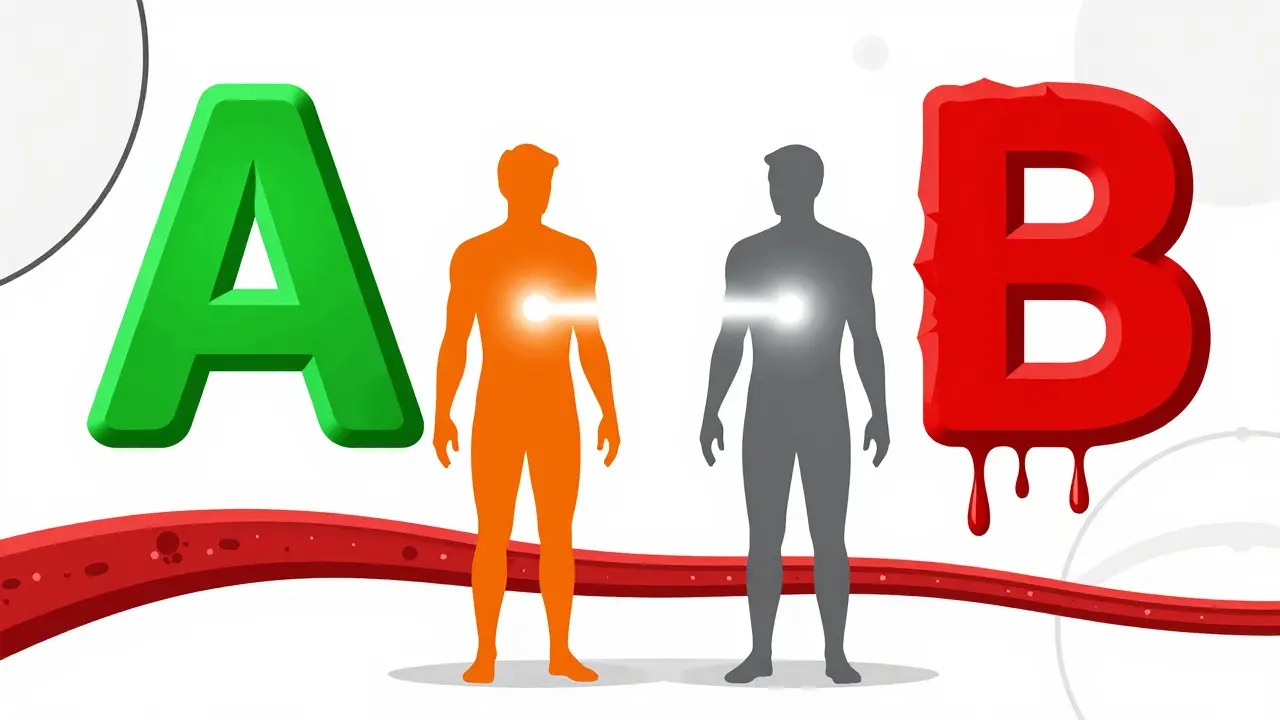
Once a generic is listed, the most important piece of information for a pharmacist is the Therapeutic Equivalence (TE) Code. These codes tell you whether a generic can be substituted for the brand-name drug. The FDA assigns these codes based on scientific evidence of bioequivalence and formulation similarity.
Codes starting with the letter "A" indicate that the products are considered therapeutically equivalent. For example, an "AB" code means the generic is bioequivalent to the RLD and is expected to perform identically in the body. Pharmacists can confidently substitute an AB-coded generic for the brand-name drug. This is the gold standard for generic substitution.
Codes starting with "B" indicate potential issues. A "BX" code might mean the generic is bioequivalent but has a different inactive ingredient, which could matter for patients with allergies. A "BN" code indicates that the product is the sole source available, meaning no other generic competitors exist yet. In some cases, B codes signal that the FDA has not fully evaluated the therapeutic equivalence due to limited data or unique delivery mechanisms, such as certain inhalers or ophthalmic suspensions. Understanding these nuances is vital for healthcare providers who must weigh the risks of substitution against the benefits of cost savings.
| Code Prefix | Meaning | Substitution Status |
|---|---|---|
| AB | Bioequivalent to RLD; same dosage form, strength, and route. | Generally substitutable |
| AA | Identical to the reference listed drug (often authorized generics). | Substitutable |
| BT | Bioequivalent but may require therapeutic monitoring due to differences. | Caution advised |
| BN | Sole source; no other generic equivalents currently listed. | No substitution possible |
Patent Linkage and Exclusivity: The Gatekeepers
The Orange Book is not just about science; it is also about law. Each drug listing includes patent information submitted by the NDA holder. These patents cover the drug substance, the formulation, or specific methods of use. The FDA lists these patents along with their expiration dates and a patent use code.
This patent linkage is powerful. If a generic company files an ANDA that challenges a listed patent (known as a Paragraph IV certification), the brand-name company can sue. This lawsuit triggers a 30-month stay on the FDA's ability to approve the generic. Even if the patent is later found invalid, the delay can last up to 2.5 years. This mechanism protects innovators' investments but can keep prices high for popular drugs.
In addition to patents, the Orange Book tracks exclusivity periods. Market exclusivity prevents the FDA from approving any generic version of a drug for a set period, regardless of patent status. For instance, new chemical entities get five years of exclusivity, while new clinical investigations that support a change to an approved drug can get three years. During these periods, the Orange Book will show the drug as having exclusivity, signaling to generic manufacturers that early entry is blocked.
NDA holders are responsible for submitting accurate patent data using Form 3542 within 30 days of patent issuance. The FDA's role is largely administrative; they do not validate the patents themselves. This reliance on self-reporting has led to criticism of "patent evergreening," where companies list weak or irrelevant patents to block competition. Recent FDA guidance aims to curb this practice by requiring more precise descriptions of how patents relate to approved uses.
Authorized Generics: The Exception to the Rule
A common point of confusion is the status of authorized generics. These are brand-name drugs sold under a different label, often by the brand company itself or a licensee. They contain the exact same ingredients and are manufactured under the same NDA as the brand-name product.
Crucially, authorized generics are not separately listed in the Orange Book as distinct generic entries. Instead, they fall under the original NDA listing. The FDA maintains a separate online list of authorized generic drugs, updated quarterly, which includes the trade name, manufacturer, and launch date. Because they are part of the NDA, they do not go through the ANDA process and do not receive a separate TE code in the main Orange Book search results. This distinction matters for pharmacists who need to identify the source of a generic pill, especially when tracking adverse events or supply chain issues.
Navigating the Electronic Orange Book
The modern Orange Book is digital. The Electronic Orange Book offers multiple search pathways, making it easier than ever to find specific drugs. Users can search by active ingredient, proprietary name, applicant, application number, dosage form, route of administration, or patent number. There are over 1,800 active ingredients listed, so efficient searching is key.
For most users, the Ingredient Search is the most practical tool. By entering the generic name of the drug, you can see all approved products containing that ingredient. Within each dosage form group, the RLD appears first, followed by therapeutically equivalent generics. Discontinued products are moved to a separate section and lose their TE codes, indicating they are no longer available for substitution.
Despite its utility, the interface can be challenging. Complex combination products, like triple-inhalers, require knowing all active ingredients to find the correct listing. Additionally, the API launched in 2022 now handles over 2 million queries monthly, integrating Orange Book data into pharmacy management systems. However, human interpretation is still needed for complex cases where TE codes don't fully capture real-world interchangeability issues, particularly with devices or difficult-to-formulate drugs.
Future Developments and Modernization
The landscape of generic drug approval is evolving. The Consolidated Appropriations Act of 2023 mandated the development of a "Digital Orange Book" by 2025, aiming for improved data structure and real-time updates. This initiative seeks to address current limitations in usability and transparency.
The FDA's strategic plan prioritizes enhancing the transparency of therapeutic equivalence evaluations. Pilot programs are testing more granular ratings for complex products, moving beyond simple A/B codes. Meanwhile, legal challenges continue, with courts occasionally questioning the FDA's authority over certain patent listings. As the generic market grows to nearly $70 billion, the Orange Book remains essential infrastructure. Its continued refinement will determine how quickly affordable medicines reach patients while balancing the incentives for innovation.
What is the difference between an NDA and an ANDA?
An NDA (New Drug Application) is required for brand-name drugs and involves extensive clinical trials to prove safety and efficacy. An ANDA (Abbreviated New Drug Application) is used for generics and relies on demonstrating bioequivalence to an already approved NDA product, skipping the need for full clinical trials.
Why are some generics not substitutable?
Generics may not be substitutable if they receive a 'B' therapeutic equivalence code. This can happen due to differences in inactive ingredients, lack of bioequivalence data, or unique delivery mechanisms that make direct comparison difficult. State laws also play a role in permitting substitutions.
How long does it take for a generic to appear in the Orange Book?
Newly approved generic drugs typically appear in the Active Section of the Electronic Orange Book in the month following their FDA approval. The database is updated monthly to reflect the latest regulatory decisions.
What is the 30-month stay in generic drug approval?
The 30-month stay is a period during which the FDA cannot approve a generic drug if the brand-name company sues for patent infringement after the generic files a Paragraph IV certification. This pause lasts until the litigation is resolved or 30 months pass, whichever comes first.
Are authorized generics listed in the Orange Book?
No, authorized generics are not listed as separate entries in the Orange Book. They are marketed under the same New Drug Application (NDA) as the brand-name product. The FDA maintains a separate, quarterly-updated list of authorized generics on its website.