
 Jul, 15 2026
You start your morning run, feeling great. Ten minutes in, your chest begins to tingle. Within moments, tiny red bumps-like hundreds of pinpricks-erupt across your skin. You aren't allergic to the air or the pavement. Your body is reacting to itself. This is cholinergic urticaria, a condition where your immune system overreacts to rising body temperature.
Also known as heat hives or heat bumps, this specific form of physical urticaria affects roughly 5-7% of people who suffer from chronic hives. Unlike typical allergies triggered by pollen or peanuts, cholinergic urticaria is driven by internal heat. When your core temperature rises, nerve fibers around your sweat glands signal an immune response. Mast cells release histamine, causing that familiar itchy, stinging rash. Understanding exactly why this happens is the first step toward managing it without letting fear of sweating control your life.
Recognizing the Symptoms and Timeline
The hallmark of cholinergic urticaria is its distinct appearance and rapid onset. The lesions are not large, raised welts like you might see with food allergies. Instead, they present as tiny, 1-3 millimeter red bumps (pinpoint wheals) surrounded by larger areas of redness (flare reactions). These spots feel warm, tingly, and intensely itchy, often described by patients as feeling like needles under the skin.
The timing is predictable, which helps in diagnosis. Symptoms typically appear within 2 to 15 minutes after your body temperature starts to rise. If you stop the activity and cool down, the hives usually fade completely within 90 minutes, though they often persist for 15-30 minutes after the trigger stops. The rash favors specific areas: the chest (78% of cases), face (65%), upper back (62%), and arms (58%). Notably, it rarely affects the palms, soles, or mucous membranes.
If you notice these pinpoint hives appearing during exercise, hot showers, or even when eating spicy foods, you are likely experiencing the classic presentation of this condition. The key differentiator is the link to sweating and heat, rather than external contact with an allergen.
What Actually Triggers Cholinergic Urticaria?
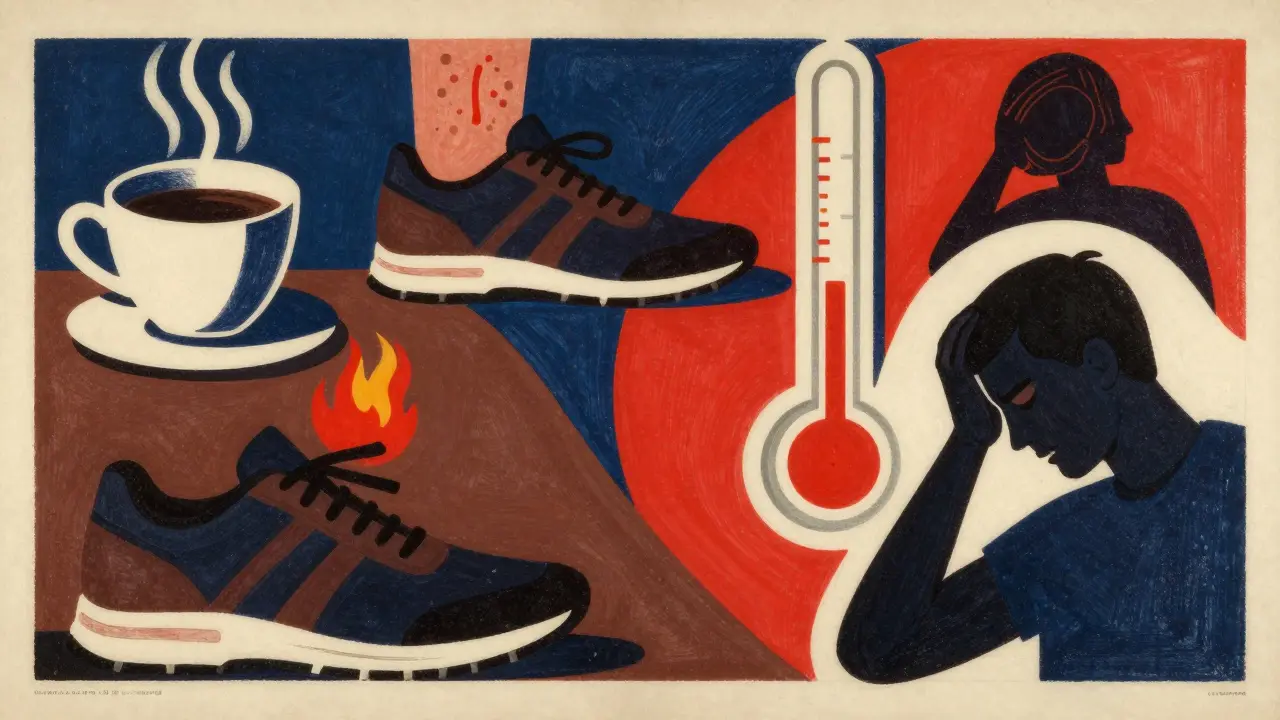
Because the root cause is elevated core body temperature, the triggers are ubiquitous. You cannot simply "avoid" them like you would avoid shellfish if you were allergic. The most common triggers include:
- Physical exertion: Exercise is the primary trigger for nearly 9 out of 10 patients. Running, weightlifting, or even brisk walking can raise core temperature enough to induce a flare.
- Hot environments: Hot baths, saunas, or simply stepping outside on a humid summer day can initiate the reaction.
- Emotional stress: Anxiety and strong emotions can cause a spike in body temperature and sweating, triggering hives even without physical movement.
- Dietary factors: Spicy foods and hot beverages can raise internal temperature quickly. Many patients report flare-ups shortly after consuming chili peppers or drinking coffee.
Understanding that emotional stress is a valid trigger is crucial. It explains why some people break out in hives before a big presentation or during a heated argument. The body's thermoregulatory system reacts to stress just as it does to a treadmill session.
How Doctors Diagnose Cholinergic Urticaria
Diagnosis is often clinical, based on your history and the characteristic appearance of the hives. However, if the diagnosis is unclear, doctors may perform a passive warming test. This is considered the gold standard. During this test, your core temperature is raised by about 0.5°C above baseline, typically by immersing your arm in warm water or using a heating blanket. In 94% of confirmed cases, this reproduces the pinpoint wheals.
It is important to distinguish cholinergic urticaria from other conditions. Cold urticaria appears upon exposure to cold temperatures. Solar urticaria is triggered by sunlight. Dermatographism causes linear wheals where the skin is scratched. Cholinergic urticaria is unique because it requires internal heat generation. Misdiagnosis is common; studies show that 22% of cases initially presented to emergency departments are incorrectly labeled as exercise-induced anaphylaxis, leading to unnecessary treatment changes.
Treatment Options and Medication Strategies
There is no cure for cholinergic urticaria, but symptoms can be effectively managed. The first line of defense is medication. Second-generation H1 antihistamines are the standard recommendation. Drugs like cetirizine (10-20mg daily) or loratadine (10mg daily) block the histamine receptors responsible for the itching and swelling. Clinical trials show these medications provide relief for about 68% of patients.
If standard doses do not work, doctors may increase the dosage up to four times the maximum recommended amount. For example, taking 40mg of cetirizine daily has shown 73% efficacy in refractory cases. For those who still struggle, adding an H2 blocker like famotidine (20mg twice daily) can improve symptom control in 57% of patients.
In severe, resistant cases, biologic therapies are becoming an option. Omalizumab (Xolair), originally approved for chronic spontaneous urticaria, was approved for refractory cholinergic urticaria by the European Medicines Agency in 2023. Clinical trials indicate that 78% of patients achieve complete symptom control with weekly injections. While effective, the high cost ($3,500 per monthly dose in the US) limits access for many.
Prevention and Lifestyle Management
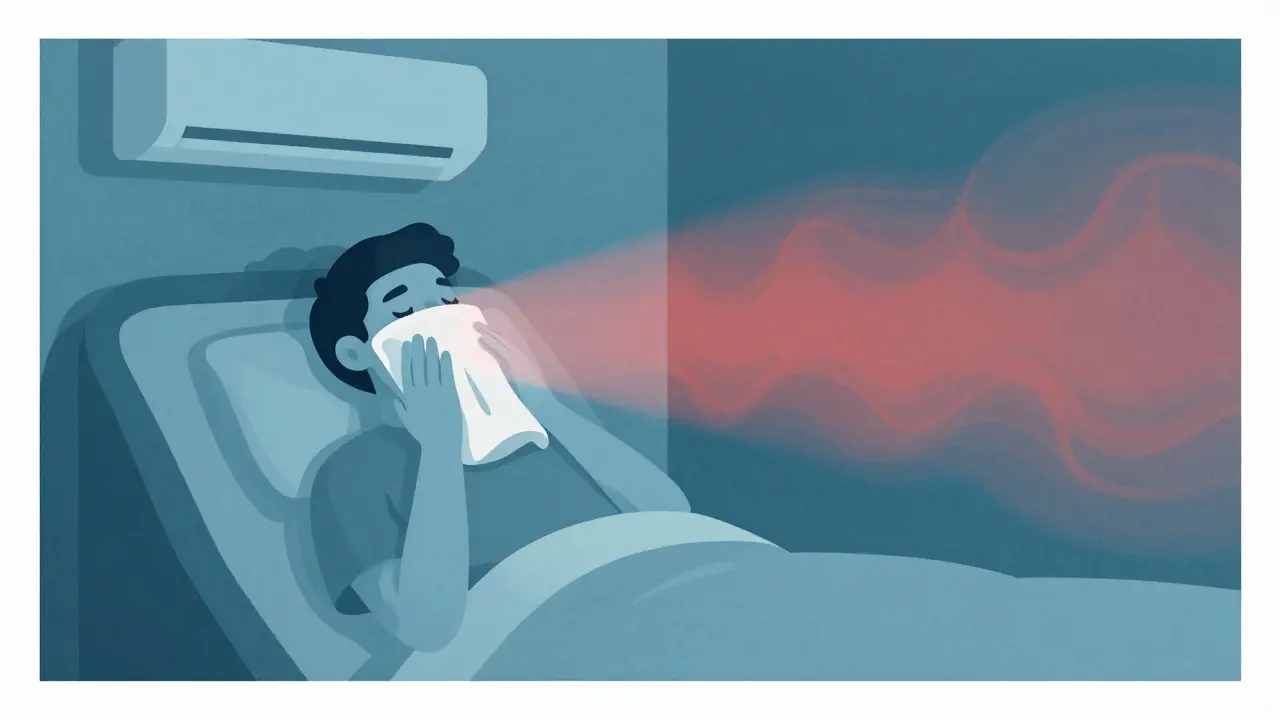
Medication handles the chemical reaction, but lifestyle adjustments reduce the frequency of triggers. Since you cannot avoid heat entirely, the goal is to manage how your body responds to it.
| Strategy | Actionable Step | Expected Benefit |
|---|---|---|
| Gradual Exposure | Start exercise at low intensity and slowly increase duration. | Some patients develop tolerance to mild heat over time. |
| Cooling Techniques | Use cooling towels, mist sprays, or ice packs during workouts. | Lowers skin surface temperature, delaying hive onset. |
| Clothing Choice | Wear loose, moisture-wicking fabrics (e.g., polyester blends). | Reduces heat retention and friction against sensitive skin. |
| Environment Control | Exercise in air-conditioned spaces or early morning/evening. | Avoids ambient heat that adds to core temperature rise. |
| Trigger Logging | Track activities, food, and stress levels alongside symptoms. | Identifies personal threshold (often ~38.1°C core temp). |
One practical tip from patient communities is the "pre-medication" strategy. Taking your antihistamine 60-90 minutes before a known trigger (like a gym session or a hot shower) can prevent the reaction entirely. Another is avoiding sudden temperature spikes. Instead of jumping into a hot bath, start with lukewarm water and gradually increase the temperature. This gives your body time to adjust without shocking the immune system.
Prognosis and Long-Term Outlook
While cholinergic urticaria can be frustrating, the long-term outlook is generally positive. It is a chronic condition for most, but severity tends to decrease with age. Approximately 30% of cases resolve spontaneously within 7-10 years of onset. The condition most commonly emerges between ages 15 and 25, meaning many patients experience their worst symptoms during their young adulthood.
Be aware of rare but serious complications. In about 12.3% of patients, cholinergic urticaria can lead to systemic symptoms like low blood pressure, rapid heartbeat, or bronchospasm (difficulty breathing). If you experience dizziness, throat tightness, or wheezing along with the hives, seek emergency care immediately. Doctors may prescribe an epinephrine auto-injector for these high-risk individuals.
Is cholinergic urticaria dangerous?
For most people, it is uncomfortable but not life-threatening. However, in about 12% of cases, it can cause severe systemic reactions like breathing difficulties or a drop in blood pressure. If you experience these symptoms, it is a medical emergency.
Can I still exercise if I have cholinergic urticaria?
Yes, absolutely. Many patients find that regular, gradual exercise helps build tolerance over time. Start with low-intensity activities in cool environments and take antihistamines beforehand if recommended by your doctor.
How long do heat hives last?
Individual hives typically appear within 15 minutes of heating up and resolve completely within 90 minutes after you cool down. They do not leave permanent marks or scars.
What is the best medication for cholinergic urticaria?
Second-generation antihistamines like cetirizine or loratadine are the first-line treatment. For severe cases, doctors may prescribe higher doses or add famotidine. Biologics like omalizumab are reserved for resistant cases.
Will cholinergic urticaria go away on its own?
In about 30% of cases, the condition resolves spontaneously within 7 to 10 years. Symptoms often peak in young adulthood (ages 15-25) and gradually improve with age.