
 Jul, 13 2026
Imagine swallowing four different pills every morning to manage your blood pressure, cholesterol, and heart health. Now imagine doing that twice a day for years. It is easy to see why many people slip up. Missed doses are not just an inconvenience; they can lead to hospital visits or worse. This is where cardiovascular combination generics step in. These medications bundle multiple active ingredients into a single pill, aiming to simplify treatment and lower costs. But are they truly better than taking separate drugs? And what happens when the brand-name version isn't the only option?
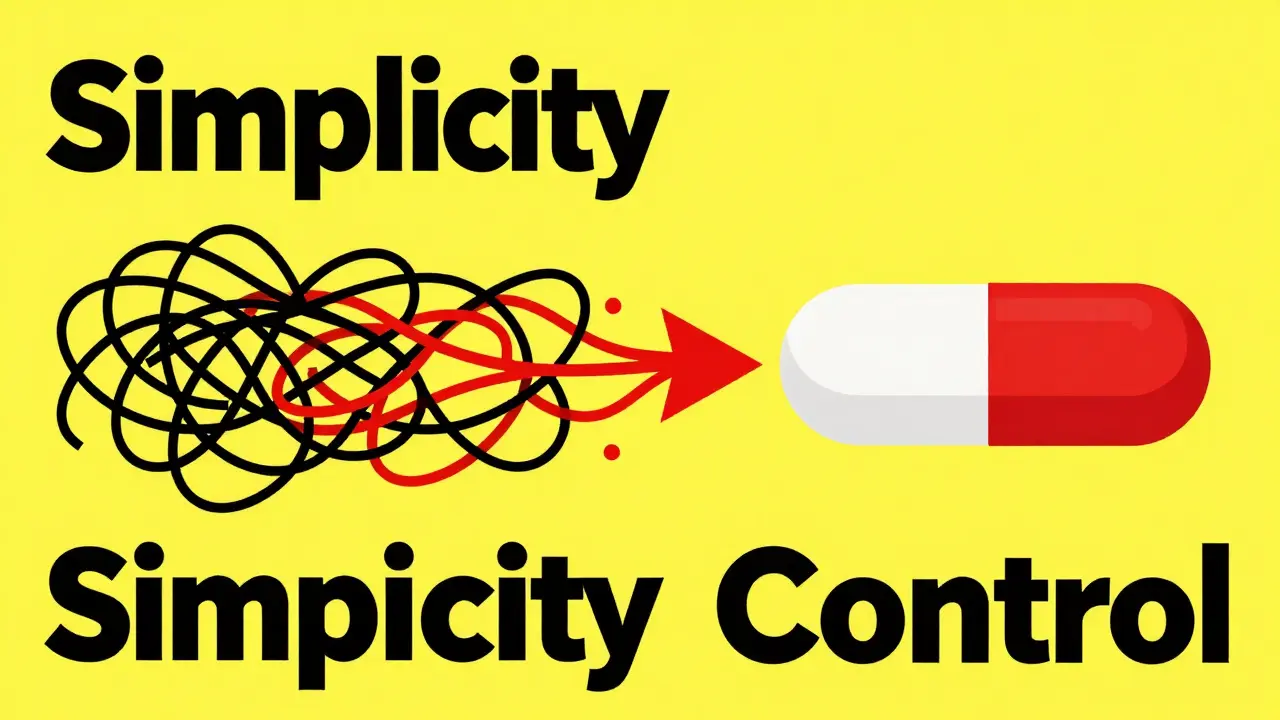
The concept of combining heart medications into one "polypill" has been around for decades, but it has gained serious traction recently. The idea is simple: if you take fewer pills, you are more likely to take them correctly. Studies back this up. Adherence rates for single medications hover around 50-60%, but they plummet to 25-30% when patients must juggle four or more separate drugs. By consolidating these treatments, doctors hope to close that gap.
What Are Cardiovascular Combination Generics?
To understand the value, we first need to define the terms. A fixed-dose combination (FDC) is a pharmaceutical product that contains two or more active ingredients in a single dosage form. When these become available as generics, they lose their brand exclusivity, making them significantly cheaper while maintaining the same therapeutic effect.
In the context of cardiovascular health, these combinations often pair drugs from different classes. For example, a common pairing might include an ACE inhibitor to relax blood vessels and a diuretic to remove excess fluid. Another popular combo involves a statin for cholesterol and ezetimibe to block cholesterol absorption. The goal is to attack high blood pressure or heart disease from multiple angles simultaneously.
Why does this matter now? Because the cost of healthcare is rising. Data from Medicare Part D showed that in 2017, nearly 44% of cardiovascular drug fills were for brand-name medications, even when generics were available. Switching those prescriptions to generic equivalents could have saved over $1.3 billion annually. That is money staying in patients' pockets instead of going to pharmaceutical marketing budgets.
Common Combinations and Their Components
Not all combinations are created equal. Some are standard practice, while others are emerging options. Here is a breakdown of some of the most prevalent cardiovascular combination generics currently on the market:
| Combination Name | Active Ingredients | Primary Use | Brand Example |
|---|---|---|---|
| Lisinopril/HCTZ | ACE Inhibitor + Diuretic | Hypertension | Zestoretic |
| Amlodipine/Valsartan | Calcium Channel Blocker + ARB | Hypertension | Twinniker |
| Ezetimibe/Simvastatin | Cholesterol Absorption Inhibitor + Statin | High Cholesterol | Vytorin |
| Metoprolol/HCTZ | Beta-Blocker + Diuretic | Hypertension/Heart Failure | Lopressor HCTZ |
| Isosorbide Dinitrate/Hydralazine | Nitrate + Vasodilator | Heart Failure (specific populations) | BiDil |
Notice how each combination targets specific physiological mechanisms. For instance, pairing a beta-blocker with a diuretic addresses both heart rate and fluid volume, which are key drivers of high blood pressure. Understanding these pairings helps patients ask smarter questions during doctor visits.
The Cost-Benefit Analysis
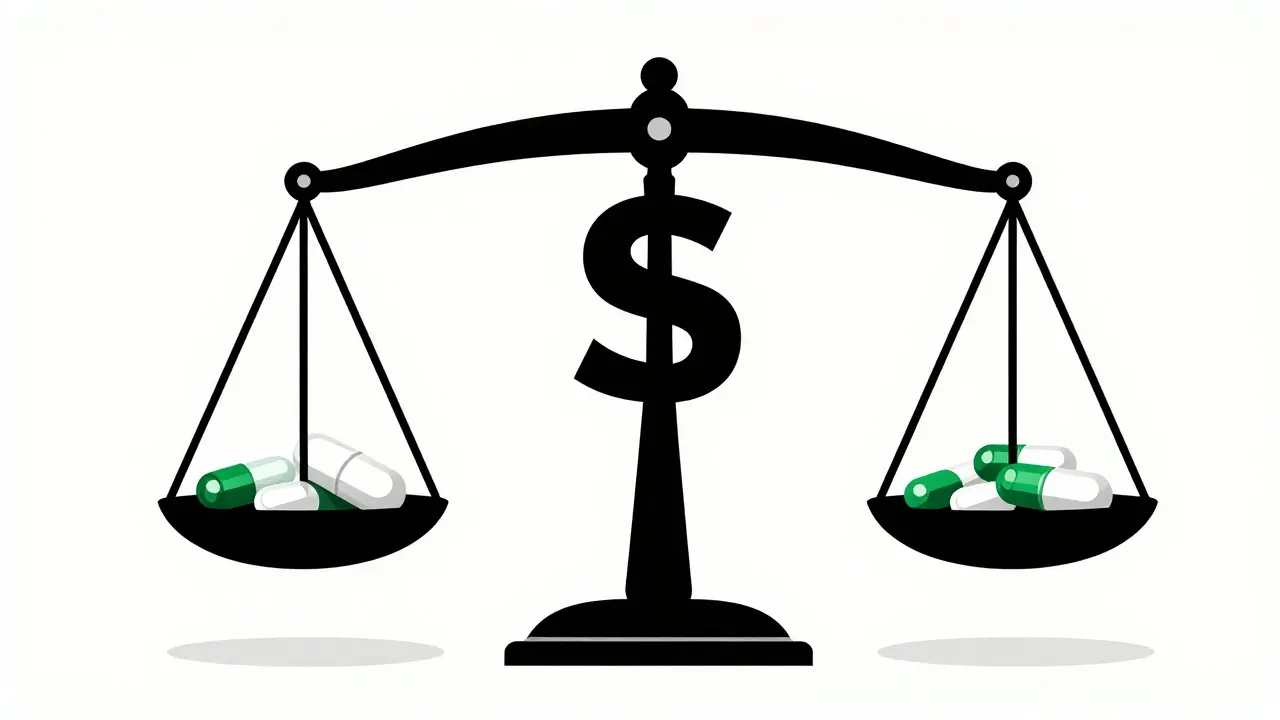
Let's talk numbers, because that is often the deciding factor. Generic cardiovascular medications cost significantly less than their brand-name counterparts. On average, a fill for a generic heart drug costs around $15.67, compared to $85.43 for a brand-name version. That is an 80-85% reduction in price.
But cost is only half the equation. The other half is effectiveness. Do generics work as well? The Food and Drug Administration (FDA) requires generic drugs to meet strict bioequivalence standards. This means the generic must deliver 80-125% of the active ingredient concentration compared to the brand-name drug within a 90% confidence interval. In plain English, the amount of medicine reaching your bloodstream should be virtually identical.
A systematic review published in the European Heart Journal analyzed 61 clinical trials across various drug classes. The conclusion was clear: generic cardiovascular drugs demonstrated comparable efficacy and safety profiles to brand-name versions. However, there is a nuance. Minor differences in inactive ingredients-like dyes or binders-can sometimes cause issues for sensitive individuals. While rare, some patients report minor side effect differences, particularly with narrow therapeutic index medications like warfarin.
Adherence: The Hidden Benefit
You might think, "I can handle three pills." But life gets busy. Work trips, travel, and simple forgetfulness add up. The American Heart Association reports that single-pill combinations can reduce pill burden by 50-75%. More importantly, studies show adherence rates jump to 75-85% for single-pill combinations versus 50-60% for multiple separate medications.
This improvement isn't trivial. Better adherence means better control of blood pressure and cholesterol, which directly translates to a lower risk of stroke, heart attack, and kidney failure. Dr. Deepak Bhatt, a professor at Harvard Medical School, noted in a JAMA Cardiology editorial that fixed-dose combination therapy represents one of the most promising strategies to improve secondary prevention of cardiovascular disease globally.
Consider the "polypill" concept proposed by Dr. Salim Yusuf in 2002. He calculated that a combination pill containing aspirin, a beta-blocker, an ACE inhibitor, and a statin could provide an estimated 75% relative risk reduction in cardiovascular events for patients with prior heart disease. While a true four-in-one polypill is not widely available in the United States yet, the principle remains valid: simplification saves lives.
Alternatives and Limitations
Despite the benefits, combination generics aren't a silver bullet. One major limitation is flexibility. If you are taking separate pills, your doctor can adjust the dose of one medication without changing the others. With a fixed-dose combination, you are locked into specific ratios. If you need to increase your ACE inhibitor but keep your diuretic the same, you might have to switch back to individual pills.
Another issue is availability. Not all possible drug combinations have generic equivalents. For example, while individual components of the ideal polypill are available as generics, a single pill containing all four is limited in the U.S. market. Additionally, some newer combination therapies, like sacubitril/valsartan (Entresto), only recently saw their first generic approvals in 2022, meaning prices may still be high for some patients.
There is also the question of patient preference. A survey by the American Pharmacists Association found that 65% of pharmacists reported patients expressing concerns about generic cardiovascular medications. Common fears included reduced effectiveness (42%) and side effects (38%). Education is key here. Patients need to know that the FDA's rigorous testing ensures safety, and that switching brands occasionally due to supply chain issues is generally safe under medical supervision.

How to Talk to Your Doctor About Switching
If you are interested in trying a combination generic, start with a conversation. Here are some practical steps:
- Review your current regimen: List out every pill you take, including dosage and frequency. Look for opportunities to combine.
- Ask about adherence: Be honest about whether you miss doses. Doctors respond well to transparency.
- Discuss cost: Mention if brand-name costs are straining your budget. There are often cheaper generic combos available.
- Check for contraindications: Ensure that the combined ingredients don't interact negatively with other conditions or medications you have.
- Monitor closely after switching: Keep a log of your blood pressure and any side effects for the first few weeks after making a change.
Remember, state laws vary regarding generic substitution. In 42 states, pharmacists are required to substitute generics automatically unless the doctor specifies otherwise. In 18 states, patient consent is needed. Knowing your local rules can empower you to make informed decisions.
The Future of Combination Therapies
The landscape is evolving. The global cardiovascular drugs market is projected to reach $89.7 billion by 2027, with generics representing approximately 90% of prescriptions. Regulatory bodies like the FDA are actively updating guidelines to encourage the development of new fixed-dose combinations, especially for complex conditions like heart failure.
International organizations like the World Heart Federation are advocating for wider implementation of polypill strategies in low- and middle-income countries. They project that improved medication adherence via fixed-dose combinations could prevent 15-20 million cardiovascular deaths globally over the next decade. This suggests that the trend toward combination generics is not just a cost-saving measure, but a public health imperative.
As more patents expire and new generics enter the market, patients will have access to increasingly sophisticated combination therapies. The key is staying informed and working closely with healthcare providers to find the right balance between simplicity, efficacy, and personal health needs.
Are generic cardiovascular combination drugs as effective as brand-name versions?
Yes, according to FDA standards and multiple clinical reviews, generic cardiovascular drugs must demonstrate bioequivalence to brand-name versions, meaning they deliver similar amounts of active ingredients into the bloodstream. A systematic review in the European Heart Journal confirmed comparable efficacy and safety profiles across numerous trials.
What is a "polypill" and is it available in the US?
A polypill refers to a single tablet containing multiple cardiovascular preventive drugs, such as aspirin, a beta-blocker, an ACE inhibitor, and a statin. While the concept is supported by research showing significant risk reduction, a true four-in-one polypill has limited availability in the United States, though individual component generics are widely accessible.
Can I switch from brand-name to generic combination drugs on my own?
It is best to consult your doctor or pharmacist before switching. While generics are generally safe, some patients may experience minor differences in side effects due to inactive ingredients. Additionally, state laws vary on automatic substitution, so professional guidance ensures a smooth transition.
How much can I save by using generic cardiovascular combinations?
Patients can typically save 80-85% on medication costs. For example, Medicare data showed average costs of $15.67 per fill for generics versus $85.43 for brand-name cardiovascular drugs. Over a year, this can amount to substantial savings for individuals and families.
Do combination pills improve medication adherence?
Yes, significantly. Studies indicate that adherence rates drop to 25-30% when patients take four or more separate medications, but rise to 75-85% with single-pill combinations. Simplifying the regimen reduces the cognitive load and likelihood of missed doses.