
 Aug, 10 2026
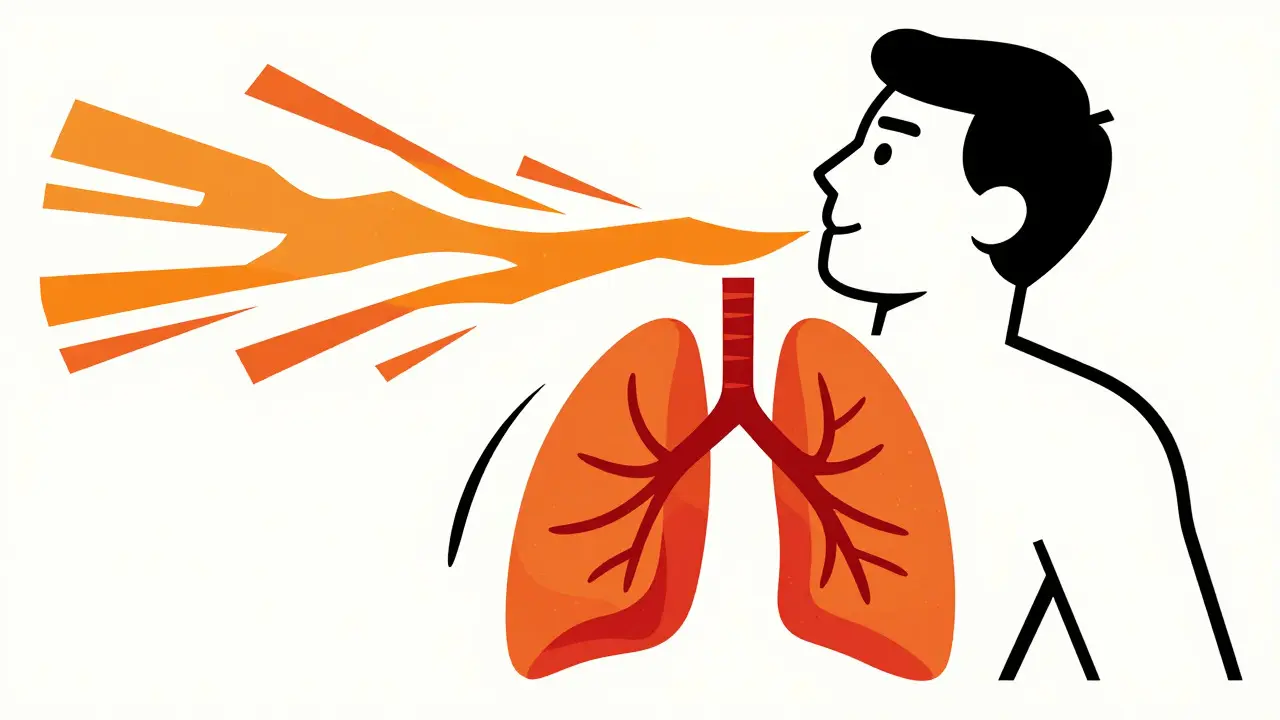
Waking up with a chest full of thick mucus that just won't come out is exhausting. If you have Bronchiectasis, a chronic condition where the airways in your lungs become permanently widened and damaged, this is likely your daily reality. The damage prevents your lungs from clearing mucus effectively, trapping bacteria and fueling a cycle of infection and inflammation. While there is no cure to reverse the structural damage, you can take control. By mastering specific airway clearance techniques and understanding when to use antibiotics, you can break this vicious cycle, reduce hospital visits, and protect your lung function.
Understanding the Cycle of Bronchiectasis
To manage bronchiectasis, you first need to understand what is happening inside your chest. In healthy lungs, tiny hair-like structures called cilia sweep mucus up and out. In bronchiectasis, these cilia are damaged or overwhelmed. The airways dilate-meaning they widen abnormally-and pool with secretions. This stagnant mucus becomes a breeding ground for bacteria like Pseudomonas aeruginosa or Haemophilus influenzae.
The result is a predictable pattern:
- Mucus accumulation: You produce more mucus than normal, often foul-smelling and yellow or green due to high neutrophil content.
- Infection: Bacteria thrive in this environment, causing local inflammation.
- Tissue damage: The immune response releases enzymes that further damage the airway walls, making them wider and less able to clear future mucus.
This cycle explains why symptoms like chronic cough, shortness of breath, and fatigue worsen over time if left unmanaged. The goal of treatment isn't just to kill bacteria; it's to physically remove the medium (mucus) they live in.
The Foundation: Daily Airway Clearance Techniques
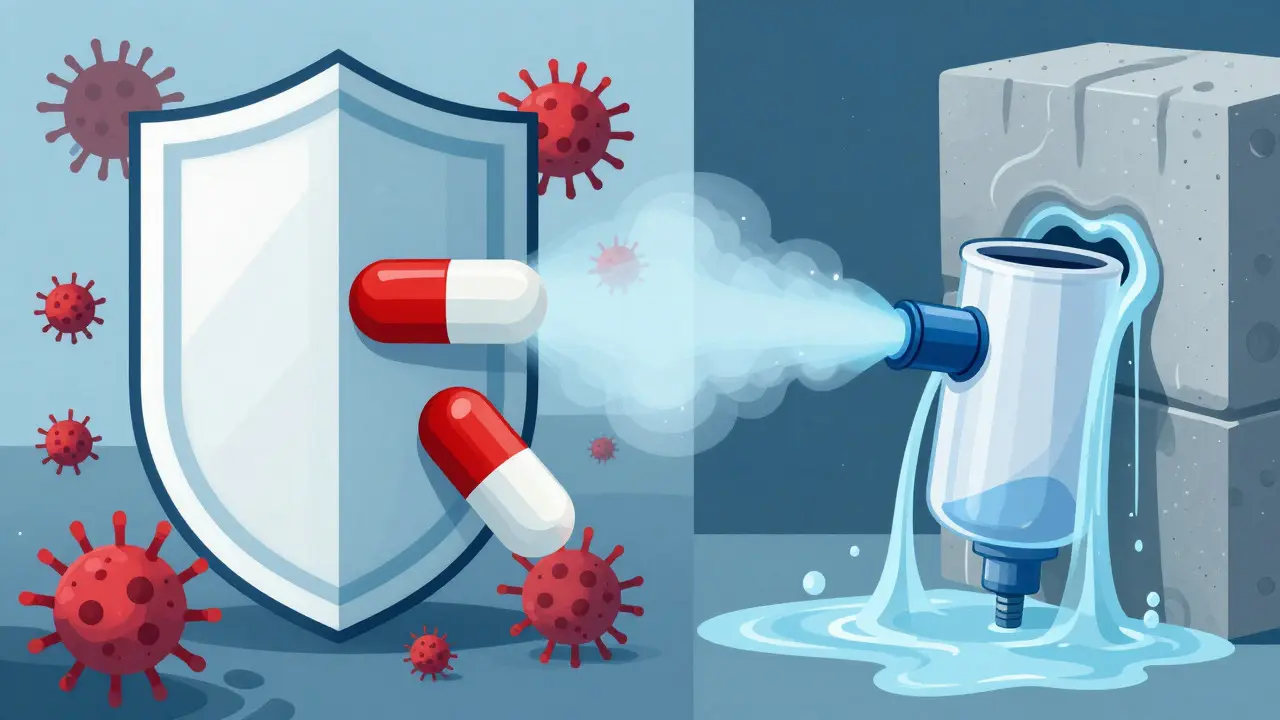
If antibiotics are the shield, airway clearance is the sword. Experts agree that daily physical removal of mucus is the single most important factor in slowing disease progression. Without it, antibiotics alone often fail because the bacteria remain protected within thick biofilms of mucus.
You don't need expensive equipment to start, but you do need consistency. Here are the core techniques recommended by respiratory therapists:
Active Cycle of Breathing Techniques (ACBT)
This method combines breathing control, thoracic expansion, and forced expiratory techniques. It’s effective because it moves mucus from smaller airways to larger ones where you can cough it out.
- Breathing Control: Relax and breathe gently through your nose for 5-10 breaths. This calms the airways and prevents them from closing prematurely.
- Thoracic Expansion: Take three deep breaths, holding each for 2-3 seconds at the top. This helps open collapsed airways and mobilizes stuck mucus.
- Huff Cough: Inhale moderately, then exhale forcefully with an open mouth, saying "haaa" (like fogging a mirror). Do this two or three times. Finish with one strong cough if you feel mucus has moved to the back of your throat.
Repeat this cycle 3-4 times until your chest feels clearer. Aim for 15-20 minutes, once or twice daily.
Positive Expiratory Pressure (PEP) Devices
Handheld PEP devices, such as the Aerobika® or Acapella®, allow you to exhale against resistance. This pressure keeps airways open while you cough, preventing collapse. Studies show these devices can be as effective as more complex vests but at a fraction of the cost ($150-$300 vs. $5,000+ for oscillating vests). For many patients, especially those working full-time, the portability of a handheld device ensures better adherence.
High-Frequency Chest Wall Oscillation (HFCWO)
Known as "vest therapy," this involves wearing an inflatable vest that vibrates at high speeds. While it offers 35% greater sputum clearance volume in some studies compared to manual percussion, the high cost and setup time mean it’s often reserved for severe cases or cystic fibrosis-related bronchiectasis.
When and How to Use Antibiotics
Antibiotics play a critical role, but timing and type matter immensely. Misusing them can lead to resistant strains, which are harder to treat later.
Treating Acute Exacerbations
An exacerbation is a significant worsening of symptoms: increased cough, thicker/darker sputum, fever, or extreme fatigue. When this happens:
- Sputum Culture: Always send a sample before starting antibiotics. This identifies the specific bacteria and its sensitivities.
- Oral Antibiotics: Common choices include amoxicillin-clavulanate or doxycycline for mild cases. Treatment typically lasts 10-14 days.
- Intravenous (IV) Antibiotics: Reserved for severe cases or infections with resistant organisms like Pseudomonas. Drugs like ceftazidime or meropenem may be used.
Long-Term Suppressive Therapy
If you experience three or more exacerbations a year despite good airway clearance, your doctor might recommend long-term low-dose antibiotics. The most common is Azithromycin (250-500mg three times weekly). Clinical trials, such as the EMBRACE study, show this reduces exacerbation frequency by 32%. However, it carries risks, including hearing loss and cardiac arrhythmias, so regular monitoring is essential.
Inhaled antibiotics, like tobramycin or colistin, deliver high concentrations directly to the lungs with fewer systemic side effects. They are particularly effective against Pseudomonas colonization.
Adjunct Therapies: Thinning the Mucus
Sometimes, mucus is too thick to move even with perfect technique. Adjunct therapies help loosen it:
- Hypertonic Saline: Nebulizing 7% saline draws water into the airways, hydrating and thinning mucus. Most patients tolerate 3mL doses well, though it may trigger coughing or bronchospasm initially. Using a bronchodilator like albuterol 15 minutes prior can prevent this.
- Dornase Alfa: Originally for cystic fibrosis, this enzyme breaks down DNA in sputum, reducing viscosity. Evidence in non-cystic fibrosis bronchiectasis is mixed, but some patients report significant relief.
- Hydration: Simple but vital. Drinking at least 2 liters of water daily keeps mucus less viscous. Dehydration turns manageable phlegm into concrete.
| Strategy | Primary Benefit | Limitations/Risks | Typical Cost/Access |
|---|---|---|---|
| Airway Clearance (ACBT/PEP) | Physical removal of mucus; slows FEV1 decline | Time-intensive (15-20 min/day); requires learning curve | Low (free techniques) to Moderate ($150-300 for PEP devices) |
| Long-term Azithromycin | Reduces exacerbations by ~32% | Risk of antibiotic resistance, hearing loss, heart issues | Low (generic available); requires prescription |
| Inhaled Tobramycin | Targets Pseudomonas directly; minimal systemic side effects | Expensive; nebulizer setup required; taste/smell aversion | High; often requires insurance prior authorization |
| Hypertonic Saline | Thins thick mucus; enhances clearance effectiveness | May cause bronchospasm; requires nebulizer | Low; widely available |
Monitoring Progress and Avoiding Pitfalls
How do you know if your plan is working? Track your symptoms and lung function. A key metric is Forced Expiratory Volume in 1 second (FEV1). In untreated bronchiectasis, FEV1 can drop by 30-50mL annually. With consistent care, this decline can slow to near-normal aging rates (20-30mL/year).
Common pitfalls include:
- Inconsistent Technique: 55% of patients need retraining within six months. Poor huff mechanics waste energy and irritate airways without moving mucus.
- Skipping Days: Airway clearance works best when done daily, not just when you feel sick. Consistency prevents mucus from pooling overnight.
- Over-reliance on Antibiotics: Using antibiotics without adequate clearance leads to resistant bugs. As Dr. Michael J. Rock notes, 38% of patients develop resistant pathogens within five years of chronic antibiotic use without proper hygiene protocols.
Regular follow-ups with a pulmonologist or respiratory therapist are crucial. They can adjust your regimen based on sputum cultures and CT scan findings. Remember, the goal is stability-not perfection. Some bad days are inevitable, but proactive management minimizes their impact.
How much sputum is normal for someone with bronchiectasis?
There is no single "normal" amount, but producing more than 30mL of foul-smelling, colored sputum daily is a hallmark symptom. The color (yellow/green) indicates active infection or inflammation due to neutrophils. Tracking your daily output can help identify exacerbations early.
Can bronchiectasis be cured?
No, the structural damage to the airways is irreversible. However, comprehensive management-including daily airway clearance and targeted antibiotics-can significantly slow progression, reduce symptoms, and maintain quality of life. In rare cases of localized disease, surgical resection may be considered.
Is hypertonic saline safe for everyone with bronchiectasis?
Most patients tolerate 7% hypertonic saline well, but it can trigger bronchospasm (airway tightening). To mitigate this, doctors often recommend using a short-acting bronchodilator like albuterol 15 minutes before nebulization. Start with lower concentrations (3%) if you are sensitive.
When should I see a doctor for a flare-up?
Seek medical attention if you experience a sustained increase in cough, change in sputum color/consistency, fever, chest pain, or unexpected shortness of breath lasting more than 48 hours. Early intervention with appropriate antibiotics can prevent severe decline.
Do I need a special diet for bronchiectasis?
While no specific "bronchiectasis diet" exists, maintaining a healthy weight is important. Underweight patients may struggle with muscle strength needed for coughing, while obesity can restrict lung expansion. Focus on anti-inflammatory foods (fruits, vegetables, omega-3s) and stay hydrated to keep mucus thin.
Morikeoluwa Ayodeji
August 11, 2026 AT 20:03Yo, this is gold right here. I’ve been dealing with bronchiectasis for three years and honestly, the PEP device section changed my life. Everyone tells you to just cough it out but if your airways are collapsed, you’re just wasting energy. The Aerobika keeps those little tubes open so the mucus actually moves. It’s cheap compared to the vest therapy which feels like overkill unless you’re really severe. Stick to the ACBT routine every single day even when you feel okay because consistency is what stops the decline. Don’t let the bacteria set up shop in that stagnant gunk.
Fenton Quinn
August 12, 2026 AT 02:24The mechanics of cilia failure are fascinating yet tragic. Once the structural integrity goes, the body loses its primary defense mechanism against particulate matter and pathogens. It becomes a self-perpetuating loop of inflammation and dilation. Antibiotics treat the symptom, not the cause. The cause is physical stagnation. Therefore, mechanical clearance must precede chemical intervention. Simple logic often ignored by patients seeking quick fixes.
Lilith Stepanyan
August 13, 2026 AT 06:58Let’s be real about the Azithromycin part though. Doctors love prescribing it because it’s easy for them. But hearing loss? Cardiac arrhythmias? That’s a steep price for reducing exacerbations by thirty-two percent. Most people don’t read the fine print until they’re deaf or their heart skips a beat. They just want to stop coughing. It’s a band-aid on a bullet hole. You’re trading one chronic issue for another potentially fatal one. Think about that before you pop those pills weekly.
Josh Atkinson
August 14, 2026 AT 11:07Oh wow, look at all these medical experts popping up! :D Seriously though, Lilith makes a good point about the side effects but she’s being overly dramatic as usual. The key is monitoring. If you have a cardiologist checking your QT interval, Azithromycin is totally manageable. I’ve been on it for two years and I’m still here. People need to stop fear-mongering and start following their treatment plans. Also, did you know hydration is basically free medicine? Drink water. It thins the mucus. Simple stuff that nobody does. Stay hydrated folks! :)
Tegan Morey
August 16, 2026 AT 10:49I found the bit about hypertonic saline super helpful. I was scared to try it because I heard it causes coughing fits but using albuterol first made such a difference. It’s wild how much easier it is to clear the chest when the mucus isn’t like concrete. Does anyone else struggle with the taste of the nebulized meds? Just wondering if I’m alone there.
charlie student
August 17, 2026 AT 14:51It’s interesting how we view lung health as separate from overall well-being. The fatigue mentioned in the post isn’t just from the infection. It’s the sheer caloric expenditure of breathing against resistance and clearing secretions. Your body is running a marathon while you sit on the couch. Rest is part of the treatment too. Don’t push yourself too hard during an exacerbation. Let the system recover.
Gary Browne
August 18, 2026 AT 08:35So you’re saying you just sit there and breathe into a mask for twenty minutes a day? Sounds tedious. My uncle had this and he never did his exercises. He said it felt pointless. Maybe the technique doesn’t work for everyone. Or maybe he just wasn’t doing it right. Hard to say without seeing him do it. But yeah, send a sputum culture. That seems important.
Christina Thygesen
August 18, 2026 AT 23:40i really relate to the exhaustion part waking up feeling like youve been run over by a truck is no joke. the huff cough technique saved me last winter when i was stuck in bed with a bad flare up. it doesnt sound like much but forcing that air out with an open mouth really helps move things from the deep lungs. please dont skip days even when you feel better. trust me on this one
Minal Aditi
August 19, 2026 AT 04:18Ah yes, the classic 'just drink water' advice. Because clearly the problem with bronchiectasis is dehydration rather than permanent structural damage to the airways. How quaint. We are supposed to believe that sipping tea will reverse decades of bacterial colonization and tissue destruction. Oh wait, it won't. It just makes the mucus slightly less sticky so you can wheeze it out a bit faster. Thanks for the profound insight, medical community. Truly groundbreaking. I'm sure the Pseudomonas aeruginosa is trembling in fear of my herbal tea regimen. /s
Anna Salamon
August 19, 2026 AT 15:51This article covers everything perfectly. As someone who manages this condition daily, knowing the difference between an exacerbation and normal fluctuation is crucial. Sending that sputum culture before starting antibiotics is non-negotiable. It saves you from taking useless drugs that kill off your good gut bacteria while leaving the resistant bugs alive. Thank you for breaking down the costs of devices too. Knowing the PEP option exists helps those of us without top-tier insurance stay consistent.