
 Aug, 31 2026
Anticholinergic Burden Checker
Select your current medications or sleep aids below to calculate your estimated Anticholinergic Cognitive Burden (ACB). This tool helps identify drugs that may impact memory and alertness, particularly for adults over 65.
1. Select Your Medications
Your Estimated Risk Profile
Your selected medications have minimal impact on acetylcholine levels in the brain. This is generally considered safe for long-term use regarding cognitive decline risks.
Key Takeaways:
- • Second-generation antihistamines do not cross the blood-brain barrier significantly.
- • Poor sleep itself is a risk factor for dementia; treat the root cause.
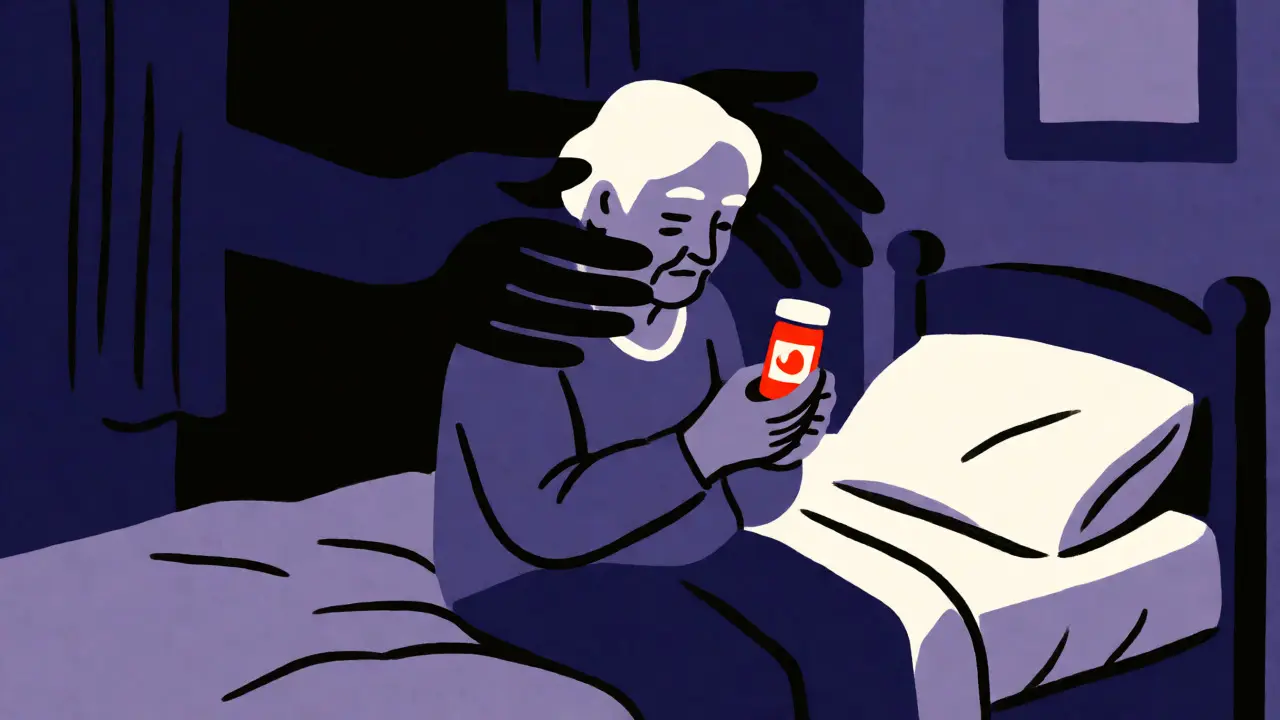
You pop a Benadryl for sleep or allergies, feeling safe because it’s available over the counter at your local pharmacy. But if you’re over 65, that small pill might be doing more than just knocking out your histamine response. It’s also blocking acetylcholine, a brain chemical essential for memory and learning. This action is called an anticholinergic effect, and for years, researchers have worried it could raise the risk of dementia. But does the science actually support this fear? The answer isn’t a simple yes or no. It depends entirely on which antihistamine you take, how long you take it, and what else is going on in your body.
The Brain Chemistry Behind the Concern
To understand the worry, you need to look at how these drugs work in your brain. Histamine keeps you awake and alert. When you block it with an antihistamine, you feel drowsy. That’s why many people use them as sleep aids. However, older antihistamines don’t just block histamine; they also block muscarinic receptors that respond to acetylcholine. Acetylcholine is critical for cognitive function. If you chronically block these receptors, you might impair the very processes needed to form memories.
This is where the distinction between drug generations matters. First-generation antihistamines like diphenhydramine (the active ingredient in Benadryl) cross the blood-brain barrier easily. They have high affinity for those muscarinic receptors. Second-generation options like loratadine (Claritin) or cetirizine (Zyrtec) are designed differently. They struggle to cross into the brain due to P-glycoprotein efflux mechanisms, meaning their impact on your cognition is roughly 100 to 1,000 times weaker. If you’re taking Claritin for hay fever, you aren’t putting the same pressure on your brain’s cholinergic system as someone taking nightly Benadryl.
What the Major Studies Actually Found
The fear gained traction after a 2015 study in JAMA Internal Medicine suggested a link between cumulative anticholinergic use and dementia. But newer, more rigorous research has painted a murkier picture. A 2022 study analyzing nearly 9,000 patients found that while first-generation users had a higher raw incidence of dementia (3.83% vs. 1.0% for second-generation), the statistical connection wasn’t strong enough to prove causation when adjusted for other factors. The hazard ratios hovered around 1.0, essentially showing no significant increase in risk directly attributable to the drug itself in that specific cohort.
Even more telling is a 2019 analysis by Dr. Shelley Gray, which looked at different classes of anticholinergic drugs. She found that antidepressants and bladder medications showed clear links to dementia risk. Antihistamines? Not so much. Their hazard ratio was 1.00, indicating no elevated risk compared to non-users. This suggests that not all anticholinergics are created equal. Blaming antihistamines broadly might be misdirecting our attention from drugs with stronger evidence of harm, like certain tricyclic antidepressants.
| Feature | First-Generation (e.g., Diphenhydramine) | Second-Generation (e.g., Loratadine) |
|---|---|---|
| Blood-Brain Barrier Penetration | High | Low / Negligible |
| Anticholinergic Burden Score | Level 3 (High) | Level 0 (None) |
| Dementia Risk Association | Inconsistent / Weak Link | No Significant Link |
| Primary Use Case | Sleep aid, acute allergy relief | Daily allergy management |

The Confounding Factor: Sleep Disorders
Here is the tricky part: correlation does not equal causation. Many older adults take diphenhydramine because they can’t sleep. Poor sleep quality and insomnia are themselves independent risk factors for developing dementia. If a study doesn’t rigorously control for the underlying sleep disorder, it might blame the pill for the problem caused by the lack of sleep.
A recent UK Biobank analysis published in Nature Aging supports this theory. When researchers controlled for sleep disorders, the association between antihistamine use and dementia disappeared (Hazard Ratio 0.98). This suggests that the medication might be a marker for poor health rather than the cause of cognitive decline. If you’re using Benadryl because you’re exhausted, fixing the root cause of your insomnia-perhaps through therapy or lifestyle changes-might protect your brain better than simply swapping pills.

Guidelines and Practical Advice for Older Adults
Despite the mixed data, medical guidelines remain cautious. The American Geriatrics Society’s Beers Criteria explicitly lists first-generation antihistamines as "Avoid" for adults aged 65 and older. Why? Because even if the dementia link is weak, the short-term risks are real. These drugs cause confusion, dry mouth, constipation, and urinary retention. In older bodies, these side effects can lead to falls or hospital visits, which indirectly affect long-term health.
If you rely on antihistamines daily, talk to your doctor about switching to a second-generation option. Drugs like fexofenadine (Allegra) or levocetirizine offer effective allergy relief without the heavy anticholinergic load. For sleep, consider alternatives with lower anticholinergic scores, such as low-dose doxepin (Silenor), which has minimal impact on cognition compared to traditional sedatives.
Beyond Pills: Non-Drug Alternatives
Before resigning yourself to a lifetime of medication, look at behavioral interventions. Cognitive Behavioral Therapy for Insomnia (CBT-I) boasts success rates of 70-80% in older adults. Unlike pills, CBT-I teaches your brain to associate the bed with sleep again, addressing the psychological roots of insomnia. While access can be limited-waiting lists often stretch beyond two months-it offers a sustainable solution without chemical side effects.
Also, review your entire medication list. You might be unknowingly stacking anticholinergic burdens. A common prescription for overactive bladder combined with an OTC sleep aid can create a cognitive fog that mimics early dementia symptoms. Regular medication reviews every six months can help spot these dangerous combinations before they cause lasting damage.
Does taking Benadryl occasionally cause dementia?
Occasional use of diphenhydramine (Benadryl) is generally considered safe for most adults. The concern regarding dementia risk primarily applies to chronic, long-term use in older adults (aged 65+), where cumulative exposure may contribute to cognitive decline or worsen existing conditions. Short-term use for acute allergies or occasional sleepless nights is unlikely to pose a significant long-term risk.
Are Zyrtec and Claritin safe for long-term use?
Yes, second-generation antihistamines like cetirizine (Zyrtec) and loratadine (Claritin) are generally safer for long-term use. They have minimal anticholinergic activity and do not cross the blood-brain barrier significantly, meaning they are less likely to cause the cognitive side effects associated with first-generation drugs. They are typically recommended over Benadryl for daily allergy management in older adults.
Why do doctors still prescribe first-generation antihistamines?
Doctors may prescribe them for their sedative effects in cases of severe acute insomnia or allergic reactions where rapid symptom control is needed. They are also cost-effective and widely available. However, current geriatric guidelines recommend avoiding them for chronic maintenance therapy in older adults due to potential side effects like confusion and fall risk, preferring second-generation alternatives whenever possible.
What is the anticholinergic burden scale?
The Anticholinergic Cognitive Burden (ACB) Scale is a tool used by clinicians to rate the strength of a drug's anticholinergic effect. Drugs are scored from 0 to 3, with 0 being no effect (like loratadine) and 3 being high effect (like diphenhydramine). Higher scores indicate a greater likelihood of causing cognitive impairment, dry mouth, and other side effects, especially in elderly patients.
Can stopping antihistamines reverse memory problems?
If memory issues are caused by the anticholinergic side effects of medication rather than permanent neurodegeneration, stopping the drug can lead to improvement. Many patients report clearer thinking within weeks of discontinuing high-burden anticholinergics. However, if underlying dementia is present, the medication may only mask or slightly worsen symptoms, so improvement will be partial at best.