
 Dec, 20 2025
Feeling like the room is spinning when you’re lying still? Or getting dizzy just from rolling over in bed? You’re not alone. About one in three people over 65 deal with balance problems, and vertigo is the most common reason they see a doctor. But here’s the catch: most people think it’s just dizziness-and they’re wrong. Vertigo isn’t lightheadedness. It’s a false sense of motion. Like being on a boat when you’re standing on solid ground.
What’s Really Going On in Your Inner Ear?
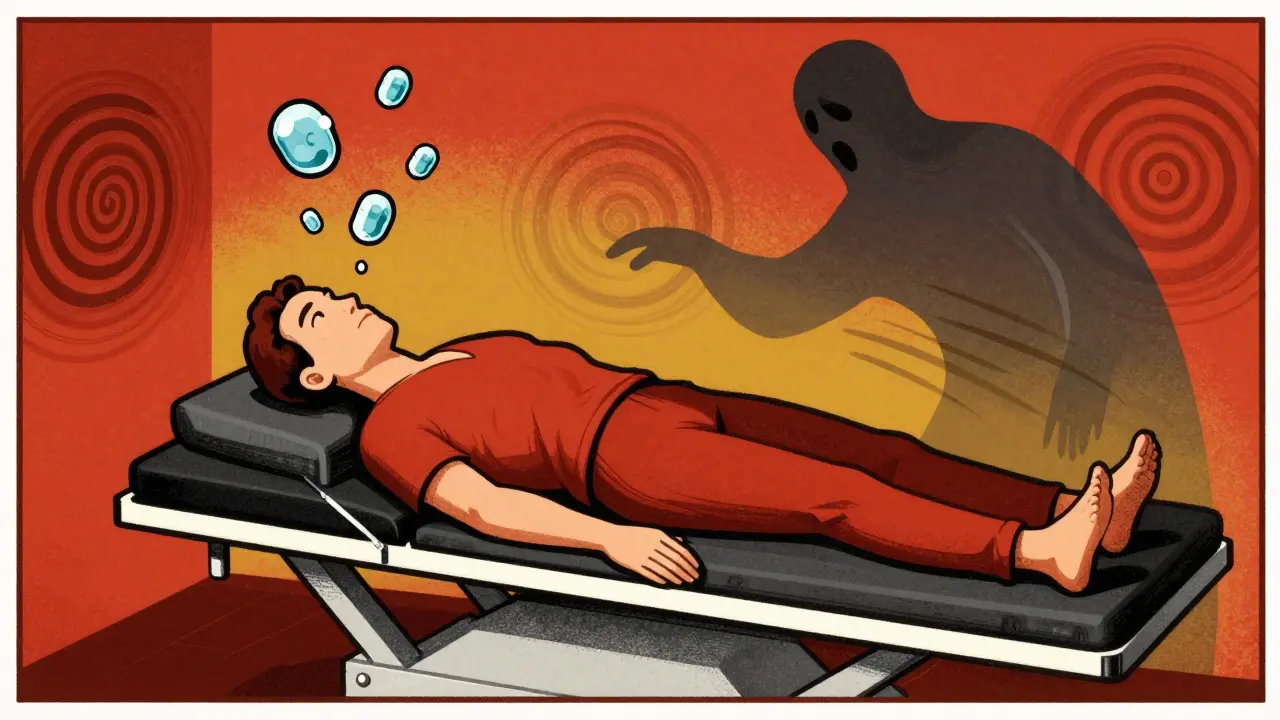
Your inner ear isn’t just for hearing. It’s your body’s built-in GPS for balance. Inside each ear, there are three fluid-filled loops called semicircular canals. They detect head movement. Tiny crystals, called otoconia, sit nearby, helping the system sense gravity. When these crystals get loose-often from aging, head bumps, or just unknown reasons-they drift into the wrong canal. That’s BPPV, or benign paroxysmal positional vertigo. It’s the #1 cause of vertigo, making up 20-30% of all dizziness cases, and over half of cases in people over 65.When you move your head, those loose crystals shift the fluid in the canal, sending a false signal to your brain: “You’re spinning!” Your eyes jerk involuntarily (that’s called nystagmus), your stomach turns, and you might sweat or vomit. Episodes last seconds to a minute, triggered by rolling over, looking up, or bending down. It’s not dangerous, but it’s terrifying.
Other inner ear problems cause longer, more intense vertigo. Vestibular neuritis is a viral infection that swells the nerve connecting your inner ear to your brain. It hits suddenly-often after a cold-and can make you too dizzy to walk for days. Meniere’s disease is different. It’s a buildup of fluid in the inner ear, causing vertigo that lasts hours, along with ringing in the ear, muffled hearing, and that full, pressurized feeling. It’s rare, affecting about 615,000 Americans, but it’s chronic and unpredictable.
Vertigo Isn’t Always the Ear
About 20% of vertigo cases come from the brain, not the ear. This is called central vertigo. The most common cause? Vestibular migraine. You don’t need a headache to have it. Just dizziness that lasts minutes to days, often triggered by bright lights, stress, or certain foods. It’s the second most common cause of vertigo after BPPV-and it’s frequently missed.Stroke can also cause vertigo. And here’s the scary part: if you suddenly get dizzy with double vision, slurred speech, or weakness on one side, it’s not just an ear problem. It could be a stroke. The HINTS exam-a quick test doctors do with a flashlight and head movements-can spot stroke with 96.8% accuracy if done within 48 hours. That’s why anyone with new, prolonged vertigo needs to be checked for brain issues first.
How Do You Know What’s Causing It?
There’s no blood test for vertigo. Diagnosis is all about movement. The gold standard is the Dix-Hallpike maneuver. Your doctor sits you up, then quickly lowers you onto your back with your head turned and hanging off the table. If you feel spinning and your eyes jerk in a specific pattern, you’ve got BPPV in your posterior canal. It’s simple, quick, and works 79% of the time.For horizontal canal BPPV, they do the supine head roll test-lying flat and turning your head side to side. If you get vertigo on one side, that’s the problem side. These tests aren’t just diagnostic-they’re the first step toward treatment.
For Meniere’s, doctors look for the classic trio: vertigo, hearing loss, and tinnitus. For vestibular migraine, they ask about headache history, triggers, and family patterns. If your dizziness comes with light sensitivity or nausea without head movement, it’s likely migraine-related.
The Treatment That Actually Works: Vestibular Therapy
Most people reach for pills-meclizine, promethazine, even diazepam. They help with nausea and make you feel calmer. But here’s the truth: these drugs don’t fix the problem. They just numb the signal. And if you take them longer than 72 hours, you’re slowing down your brain’s natural ability to adapt. That’s called vestibular compensation. Your brain learns to ignore the bad signal from your ear. Medication blocks that learning.The real fix? Vestibular rehabilitation therapy (VRT). It’s physical therapy for your balance system. No needles. No surgery. Just exercises designed to retrain your brain.
For BPPV, the Epley maneuver is the go-to. It’s a series of slow head movements that guide the loose crystals back into their proper spot. Done right, it works in 80-90% of cases after one or two sessions. You can do it at home with a video guide-but only if you get the angles right. A 30-degree head tilt, 30-second pauses between moves. Mess it up, and you might make it worse.
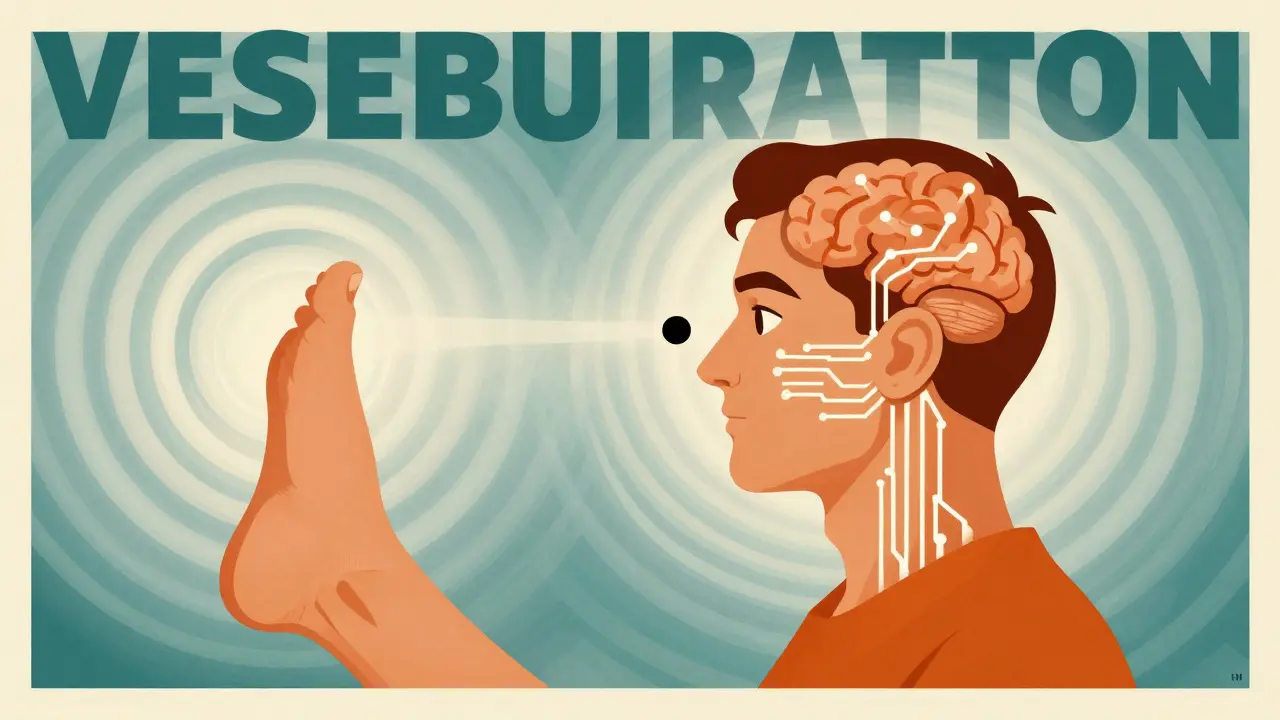
For vestibular neuritis or Meniere’s, VRT includes gaze stabilization. You stare at a fixed object while moving your head side to side or up and down. At first, everything blurs. Your brain screams, “This is chaos!” But after 10-15 minutes a day, for 4-6 weeks, your brain starts to adapt. Your eyes stay locked on the target. Your balance improves. Your nausea fades.
Balance retraining is next. Standing on one foot. Walking heel-to-toe. Closing your eyes while standing. These aren’t yoga poses-they’re neurological rewiring. The brain learns to rely on your eyes, legs, and inner ear together. People who stick with it for six weeks see 70-80% improvement. Those who quit after a week? They stay stuck.
What About Diet and Lifestyle?
If you have Meniere’s, salt is your enemy. Too much sodium pulls water into your inner ear, making the pressure worse. The fix? Cut sodium to 1,500-2,000 mg a day. That’s harder than it sounds. A single slice of bread has 200 mg. A canned soup? 800 mg. You need to cook from scratch. No processed food. No soy sauce. No chips. No deli meats. It’s strict-but studies show it cuts vertigo attacks by half in 60-80% of patients.For vestibular migraine, triggers vary. Coffee, red wine, aged cheese, artificial sweeteners, skipping meals-any of these can set off an attack. Keeping a daily diary helps you spot patterns. Most people identify their triggers within four weeks.
Hydration matters. Dehydration thickens inner ear fluid, making Meniere’s worse. Caffeine and alcohol? They mess with your balance system. Quitting them isn’t optional if you want to reduce attacks.
Why So Many People Get It Wrong
A patient from Healthgrades said: “I was told I had anxiety for three months. Then the Epley maneuver fixed it in 15 minutes.” That’s not rare. Studies show 50% of BPPV cases are misdiagnosed in primary care. Why? Doctors don’t test for it. They hear “dizziness,” assume stress or aging, and prescribe pills. The truth? BPPV is the most common, easiest-to-fix cause of vertigo-and it’s overlooked more than any other.Another issue: people quit VRT too soon. The first week is brutal. You feel worse. Your head spins more. You think, “This isn’t working.” But that’s your brain fighting the new signals. If you keep going, by week three, you start to feel better. By week six, you’re back to normal. The Cleveland Clinic found 95% of people who stick with it for two weeks see major improvement. Those who quit? They’re back in the same spot.
What’s New in 2025?
Smartphones are changing the game. Apps like VEDA and VertiGo use your phone’s camera to detect eye jerks during head movements. They’re 85% accurate at spotting BPPV. You can screen yourself at home before seeing a doctor. No more waiting weeks for a specialist.The FDA approved eptinezumab (Vyepti) in 2020 for vestibular migraine. It’s a monthly IV infusion that reduces vertigo by 50% in 61% of patients. Topiramate, a seizure drug used for migraine prevention, also cuts vertigo attacks by half in 55% of users.
Researchers are testing a new drug, CPP-115, that may stop otoconia from breaking loose in the first place. Early trials show a 40% drop in BPPV recurrence. Gene therapy for Meniere’s is still years away-but in lab animals, it’s reduced symptoms by 70%.
What to Do Right Now
If you’re dizzy:- Don’t panic. Most causes are treatable.
- Write down what triggers it. Rolling over? Looking up? Crowded rooms?
- Track how long it lasts. Seconds? Hours? Days?
- See a doctor who knows vestibular disorders. Ask: “Could this be BPPV? Can you do the Dix-Hallpike test?”
- If you have nausea, a short course of meclizine is okay-but don’t take it longer than 3 days.
- If you’re diagnosed with BPPV, get the Epley maneuver done by a professional. Then do it at home daily for a week.
- If it’s not BPPV, ask for vestibular rehab. Don’t wait. Start exercises within 48 hours.
Vertigo doesn’t have to be your life. Your brain is designed to adapt. You just have to give it the right signals-and the time to heal.
Is vertigo the same as dizziness?
No. Dizziness is a broad term-it can mean lightheadedness, faintness, or unsteadiness. Vertigo is specific: it’s the false sensation that you or your surroundings are spinning. It’s caused by inner ear or brain signals going wrong. You can feel dizzy without vertigo, but vertigo always feels like spinning.
Can I do the Epley maneuver at home?
Yes, but only after you’ve confirmed you have BPPV with a professional. Doing it without knowing your diagnosis can make things worse. Use a video guide from a reputable source like the Mayo Clinic or Vestibular Disorders Association. Make sure you’re doing the head turns at exactly 30 degrees and holding each position for 30 seconds. If you feel no improvement after two tries, see a therapist.
How long does vestibular therapy take to work?
Most people start feeling better in 2-3 weeks, but full improvement takes 4-6 weeks of daily exercises. The first week is often the hardest-you might feel more dizzy. That’s normal. Your brain is relearning. If you stick with it, 70-80% of people see major improvement. Quitting early means you’ll likely stay stuck.
Why do I feel worse after starting exercises?
Because your brain is being challenged. The exercises force your brain to process conflicting signals from your inner ear, eyes, and body. That’s uncomfortable at first. It’s like training a muscle-you’re not healing, you’re adapting. The dizziness usually peaks around day 3-5 and then drops off. This is a sign it’s working, not failing.
Can vertigo come back after treatment?
Yes, especially with BPPV. About 30% of people have a recurrence within a year. That’s why it’s important to know the signs and do maintenance exercises. For Meniere’s, attacks can return if salt intake isn’t controlled. Vestibular migraine may flare with stress or triggers. The good news? Once you’ve had successful treatment, you know how to respond. Recurrence doesn’t mean failure-it means you need to repeat the steps.
Is vertigo a sign of stroke?
It can be. If vertigo comes with double vision, slurred speech, weakness on one side of the body, trouble walking, or sudden severe headache, it could be a stroke. Don’t wait. Go to the ER. The HINTS exam-done by trained clinicians-can detect stroke with 96.8% accuracy within 48 hours. Don’t assume it’s just your ear. When in doubt, rule out the brain.
Will insurance cover vestibular therapy?
Most insurance plans, including Medicare, cover vestibular rehabilitation if prescribed by a doctor. Medicare pays 80% after your deductible. Private insurers usually cover 70%, but often limit sessions to 10-20. Check your plan. Some require pre-authorization. If you’re denied, ask your therapist to appeal with clinical documentation showing your diagnosis and treatment plan.