
 Jan, 24 2026
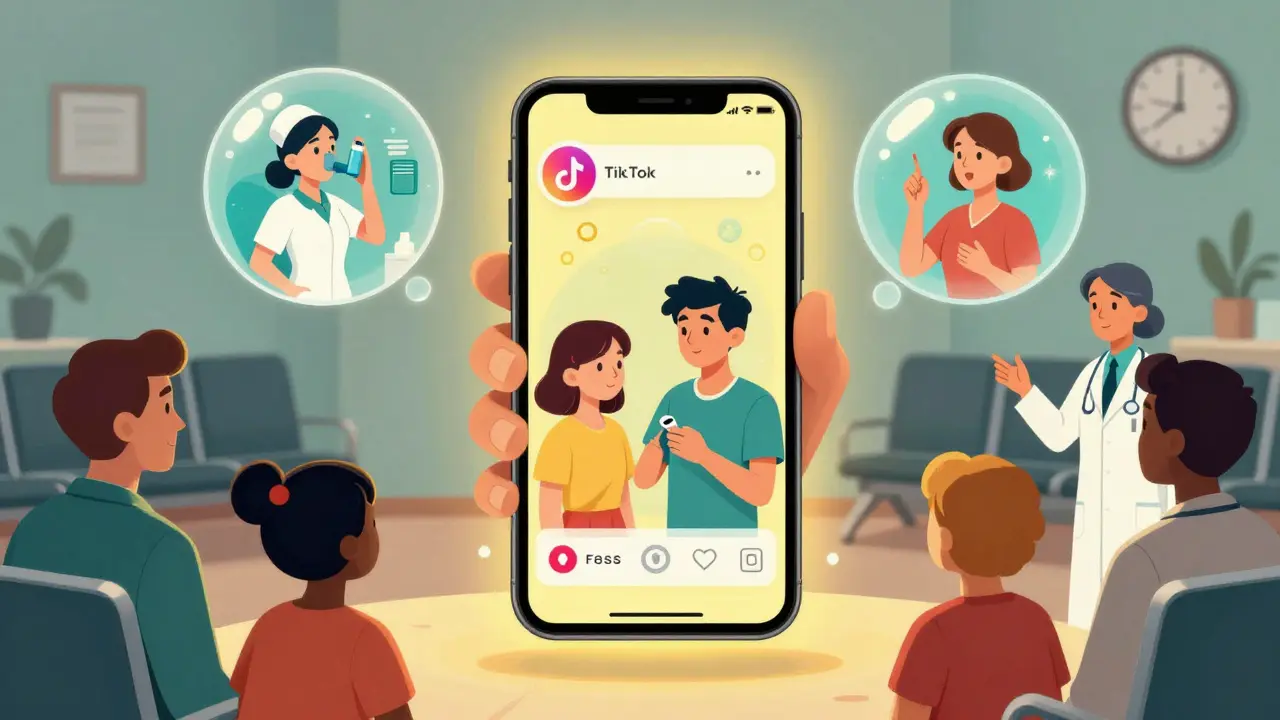
When you’re managing a chronic illness, waiting for a doctor’s appointment can feel like waiting in silence. But what if your doctor’s office could reach you where you already are-on your phone, scrolling through Instagram or watching a quick video on TikTok? That’s not science fiction. Across the UK and beyond, hospitals, clinics, and patient advocacy groups are using social media to turn passive waiting into active learning.
Why Social Media Works for Patient Education
People don’t search for health info the way they used to. A 2025 survey by the NHS Digital Health Team found that 68% of adults under 45 turn to social media first when they have a health question. Not Google. Not their GP’s website. TikTok, Instagram, and YouTube. Why? Because it’s real. A 60-second video of someone explaining how to use an inhaler with their own voice, in their own home, hits harder than a 10-page PDF.
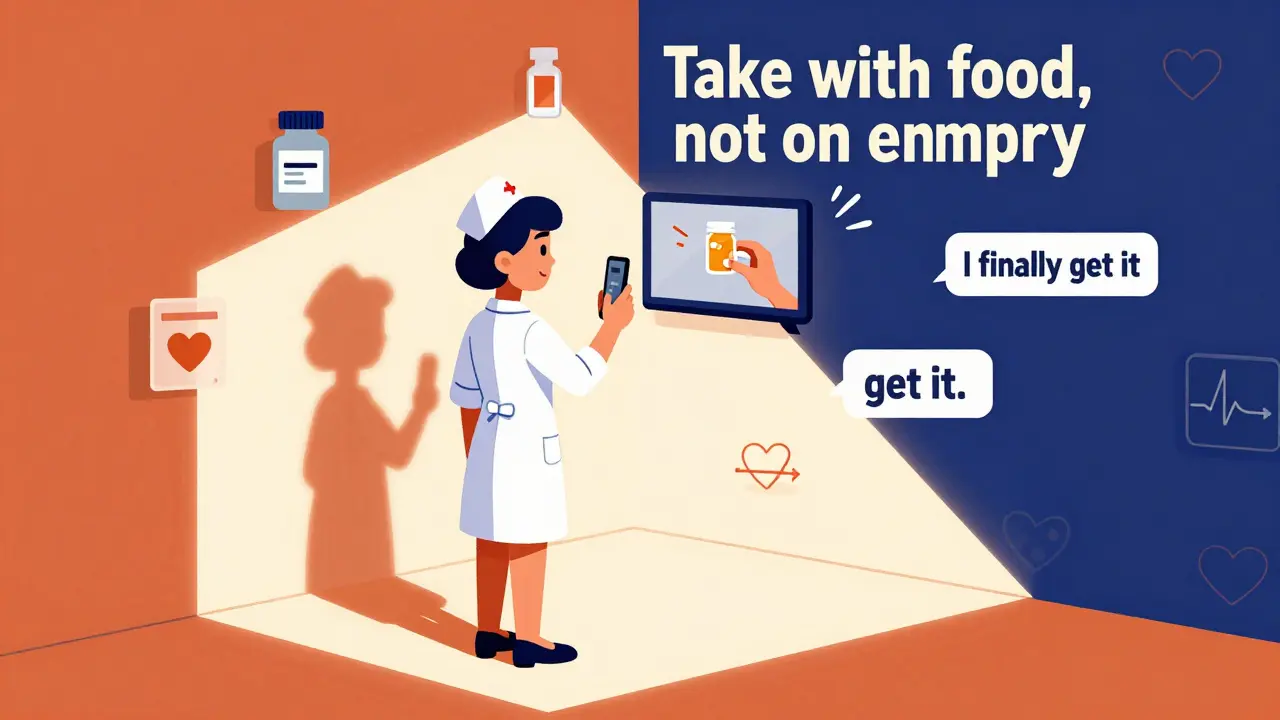
Traditional patient leaflets? Often ignored. Brochures left on waiting room tables? Forgotten by lunchtime. But a short video posted by a nurse at Bristol Royal Infirmary showing how to manage insulin injections-filmed during her lunch break, no studio lights-got 89,000 views in three weeks. Comments poured in: ‘I finally get it,’ ‘My mum watched this with me,’ ‘I’ve been scared to inject myself for years.’
It’s not about replacing doctors. It’s about giving people tools to understand their condition before they even walk through the clinic door. And that’s where social media shines.
Which Platforms Are Actually Working?
Not every platform is built for health education. Here’s what’s working-and what’s not-in 2026.
- Instagram: Used by 73% of UK NHS trusts for patient education. Reels under 90 seconds with captions are the top performer. A diabetes clinic in Leeds posted a 45-second Reel showing a patient’s daily routine-meals, glucose checks, exercise. Engagement jumped 310% compared to their static posts.
- TikTok: The fastest-growing tool for reaching teens and young adults. The NHS launched a verified TikTok account in 2024. Since then, videos on mental health, asthma triggers, and vaccine myths have reached over 12 million people. One video, ‘What happens when you forget your asthma inhaler?’, got 4.2 million views.
- YouTube: Still the king for in-depth content. Patient groups like the British Heart Foundation upload 10-15 minute videos explaining procedures, medication side effects, and recovery tips. Average watch time? 11.8 minutes-up from 8.9 minutes in 2024.
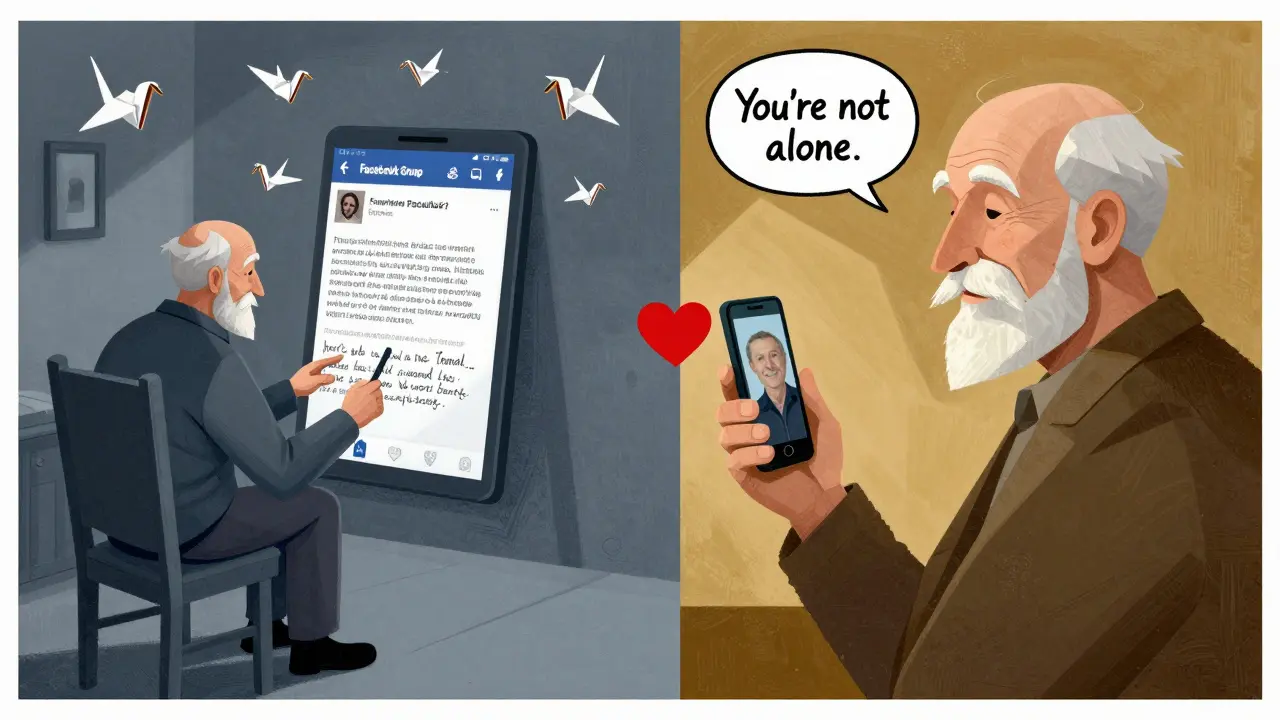
- Facebook: Still vital for older adults and caregivers. A support group for Parkinson’s patients in Manchester uses Facebook Groups to share daily tips, ask questions, and connect with others. Over 12,000 members. No ads. Just real talk.
- LinkedIn: Used by healthcare professionals to share research, training updates, and guidelines. Not for patients-but critical for training staff who then bring better info to patients.
- Twitter/X: Declining fast. Only 19% of UK health services still post here. Too noisy. Too unreliable. Most have moved on.
The key? Don’t try to be everywhere. Pick 2 platforms that match your audience. If you’re targeting teens with asthma, focus on TikTok and Instagram. If you’re helping retirees manage diabetes, Facebook and YouTube work better.
Real Examples That Made a Difference
In 2025, a small community pharmacy in Bristol started posting daily 30-second videos on Instagram Stories called ‘Medication Minute.’ Each clip explained one common drug: what it’s for, how to take it, what side effects to watch for. No jargon. Just clear, calm explanations.
Within six months, calls to their pharmacy about ‘how to take this pill’ dropped by 57%. Patients said they’d seen the video. They didn’t need to call. They didn’t need to wait.
At the University Hospitals of Bristol, a patient-led Instagram account was launched in early 2025. It’s run by people living with long-term conditions-cancer, MS, Crohn’s. They post about bad days, wins, questions for doctors, and honest reviews of treatments. The account has 23,000 followers. Staff don’t write the posts. They just moderate. The result? Trust. Real trust.
One patient wrote: ‘I read this account more than my GP’s website. It’s the truth.’
What Goes Wrong? The Pitfalls
Not every social media effort works. And when it fails, it can backfire.
One hospital in Manchester posted a polished video of a smiling patient saying, ‘My surgery was amazing!’ The video got 150,000 views. But then, a comment appeared: ‘My dad had the same surgery. He died in recovery.’ The post was deleted, but the damage was done. The hospital had ignored the reality that not all stories have happy endings.
Another clinic used AI to generate all their posts. ‘Did you know that diabetes can be cured with cinnamon?’ it said. The post went viral. And then came the backlash. People were stopping their insulin because of a bot-written post.
Here’s the rule: Authenticity beats polish every time. A shaky phone video of a real patient, speaking honestly, is worth 10 professionally shot ads.
Other common mistakes:
- Posting only when there’s a big campaign-then going silent for months
- Using medical terms like ‘hypertension’ instead of ‘high blood pressure’
- Not having a plan for negative comments or misinformation
- Ignoring accessibility-no captions, low contrast, no alt text
Successful programs have three things: a clear goal, a real person behind the screen, and a moderation plan.
How to Get Started (Without a Big Budget)
You don’t need a marketing team. You don’t need fancy equipment. Here’s how to begin:
- Pick one condition to focus on. Start small. Asthma. Diabetes. Mental health. Don’t try to cover everything.
- Choose one platform. Instagram Reels or TikTok are easiest for beginners. Use your phone.
- Find one patient or staff member willing to share their story. It doesn’t have to be perfect. Just real.
- Record a 60-second video. Say: ‘Hi, I’m Sarah. I’ve had type 2 diabetes for 8 years. Here’s how I take my metformin.’ End with: ‘What’s your biggest challenge? Comment below.’
- Post it. Then reply to every comment. Even if it’s just ‘Thanks for sharing.’
- Do it again next week. Consistency beats perfection.
Many clinics in the UK are now using free tools like Canva for captions, CapCut for editing, and Meta Business Suite to schedule posts. Training takes less than 10 hours. The return? Fewer repeat calls, fewer ER visits, and more confident patients.
The Future Is Personal
By 2027, AI will help suggest which videos to watch based on your health record. But the human voice will still matter most. Patients aren’t looking for ads. They’re looking for someone who gets it.
That’s why the most successful social media health campaigns aren’t run by PR teams. They’re run by nurses, pharmacists, patients, and caregivers who care enough to hit ‘record’ and say, ‘This helped me. Maybe it’ll help you too.’
It’s not about going viral. It’s about being there-when someone is scared, confused, or alone-and saying: ‘You’re not the only one.’
Can social media replace doctor consultations?
No. Social media is for education, support, and awareness-not diagnosis or treatment. It helps patients understand their condition before seeing a doctor, ask better questions, and follow advice correctly. But it doesn’t replace clinical care. Always consult a healthcare professional for medical advice.
Is it safe to share health info on social media?
Yes-if you follow basic privacy rules. Never share your full name, NHS number, address, or specific medical records. Use first names only. Avoid posting inside hospitals or with identifiable documents in the background. Many UK health organizations now use anonymous patient stories with consent forms signed by the patient or their guardian.
How do I know if health info on social media is accurate?
Look for verified accounts: NHS, NHS England, British Heart Foundation, Diabetes UK, Cancer Research UK. Check if the content cites official guidelines like NICE or has a clear author (e.g., ‘Posted by Dr. A. Patel, GP, Bristol’). Avoid posts that promise ‘miracle cures’ or use fear-based language. If in doubt, search the same topic on NHS.uk or call 111.
Why are younger people turning to TikTok for health info?
Because it’s fast, visual, and feels personal. TikTok videos are made by real people-not corporations. A 15-second clip of a teen explaining how they manage anxiety with breathing techniques is more relatable than a 10-page leaflet. The platform’s algorithm also pushes content based on interest, not just popularity, so niche health topics can reach the right audience.
What should healthcare providers do if misinformation spreads on their page?
Don’t ignore it. Don’t argue. Reply calmly with a link to a trusted source like NHS.uk or a verified organization. If the comment is harmful or false, hide or remove it after documenting it. Many NHS trusts now use moderation teams trained in de-escalation. Training staff to respond with empathy-not correction-reduces conflict and builds trust.
Can small clinics afford to use social media for patient education?
Absolutely. Many start with one staff member posting 2-3 times a week using their phone. Free tools like Canva, CapCut, and Meta Business Suite handle scheduling and editing. The biggest cost isn’t money-it’s time. But the payoff is fewer phone calls, fewer missed appointments, and more confident patients. Some local councils even offer free training for small health providers.
Next Steps: What You Can Do Today
If you’re a patient: Follow one verified health account on TikTok or Instagram. See what you learn. Share what helps you.
If you’re a healthcare worker: Try posting one short video this week. No script. Just speak like you’re talking to a friend. You’ll be surprised how many people need to hear it.
If you’re a clinic manager: Pick one condition. Pick one platform. Pick one person to lead it. Start small. Stay consistent. Watch what happens.
Social media isn’t changing healthcare because it’s flashy. It’s changing healthcare because it’s human.
Neil Thorogood
January 25, 2026 AT 02:04Jessica Knuteson
January 25, 2026 AT 12:43Robin Van Emous
January 26, 2026 AT 08:03Angie Thompson
January 27, 2026 AT 05:23Skye Kooyman
January 27, 2026 AT 23:52Sally Dalton
January 29, 2026 AT 00:27eric fert
January 30, 2026 AT 12:21Curtis Younker
February 1, 2026 AT 11:25Suresh Kumar Govindan
February 2, 2026 AT 15:53George Rahn
February 3, 2026 AT 06:38