
 Mar, 4 2026
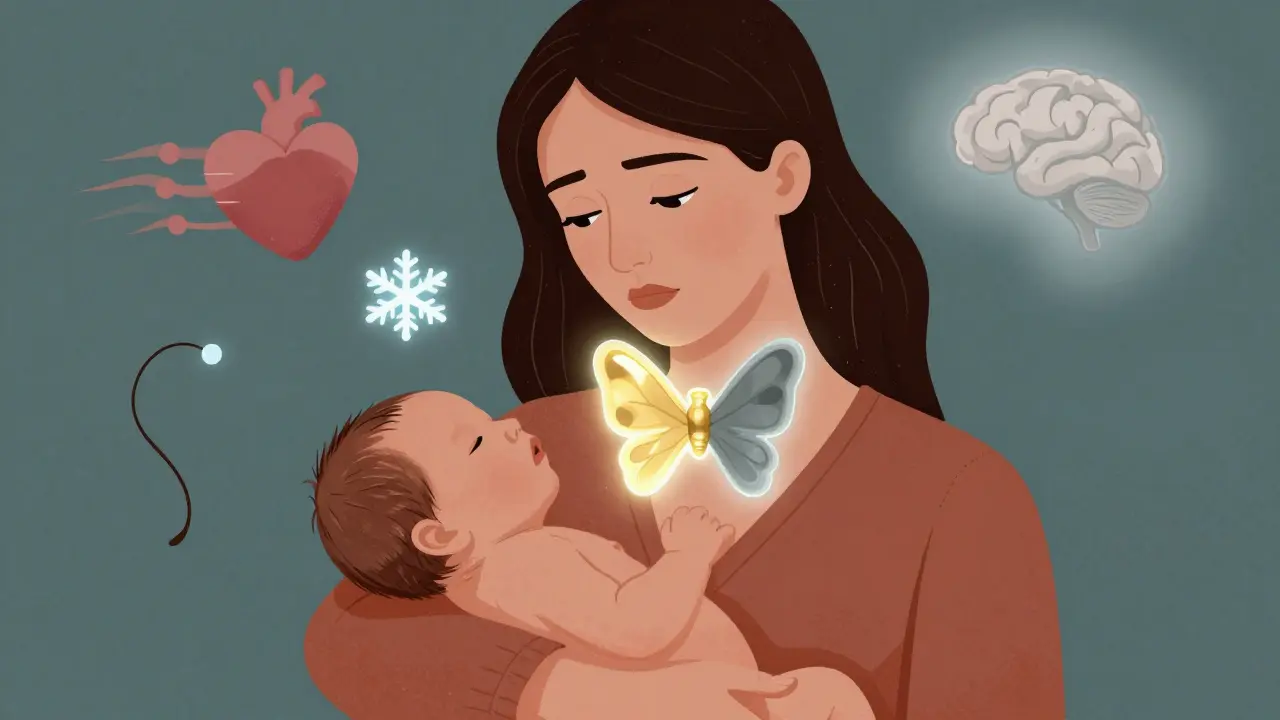
After having a baby, many women feel exhausted, emotional, or overwhelmed. It’s normal. But what if your fatigue isn’t just from sleepless nights? What if your weight won’t budge no matter how much you eat, or you’re freezing cold while everyone else is sweating? These aren’t just signs of new motherhood-they could be symptoms of something deeper: postpartum thyroiditis.
What Exactly Is Postpartum Thyroiditis?
Postpartum thyroiditis is an autoimmune condition that affects the thyroid gland after childbirth, miscarriage, or abortion. It’s not rare-about 5 to 10% of women develop it. That means roughly 1 in every 10 new moms could be dealing with this. The thyroid, a small butterfly-shaped gland in your neck, controls your metabolism, energy, mood, and body temperature. When it gets attacked by your own immune system after pregnancy, things go haywire. This isn’t Graves’ disease or Hashimoto’s thyroiditis, though it looks a lot like them. The big difference? Postpartum thyroiditis is usually temporary. Most women (70-80%) get their thyroid function back to normal within a year or so. But for 20-30%, it becomes permanent, meaning they’ll need lifelong thyroid hormone replacement.The Two Phases: Hyperthyroidism Then Hypothyroidism
This condition doesn’t hit you all at once. It comes in two waves. First, there’s the hyperthyroid phase. This usually starts between 1 and 4 months after delivery. Your immune system damages thyroid cells, causing stored hormones to leak into your bloodstream. You might feel like you’re on overdrive: heart racing, hands shaking, sweating even when it’s cool, losing weight without trying, or having trouble sleeping. About half of women have mild or no symptoms here, so it often goes unnoticed. Doctors might chalk it up to stress or caffeine. Then comes the hypothyroid phase-usually between 4 and 8 months postpartum. This is when the thyroid runs out of hormone reserves. Now you’re drained. Fatigue hits hard-89% of women report it. You feel cold all the time, your skin gets dry, your hair falls out, you’re constipated, and your brain feels foggy. Weight gain is common, even if you’re eating less. Many women think they’re just “not bouncing back” after birth. But this isn’t normal postpartum tiredness. This is your body signaling a thyroid problem. Some women skip the hyperthyroid phase entirely and go straight into hypothyroidism. Others only experience the hyperthyroid phase. The pattern isn’t the same for everyone, but the two-phase model is the most common.How Do You Know It’s Not Just Depression?
This is where things get tricky. Postpartum thyroiditis and postpartum depression share symptoms: fatigue, mood swings, trouble concentrating, crying spells. In fact, about 30% of women with thyroiditis are initially misdiagnosed with depression. That’s dangerous. Antidepressants won’t fix a thyroid problem. And if you’re hypothyroid and given an SSRI, you might not get better-and you’ll keep suffering. The key difference? Physical signs. If you’re having a racing heartbeat, heat intolerance, or unexplained weight loss, it’s more likely thyroid. If you’re feeling numb, hopeless, or disconnected from your baby, depression is more likely. But often, it’s both. That’s why testing is critical.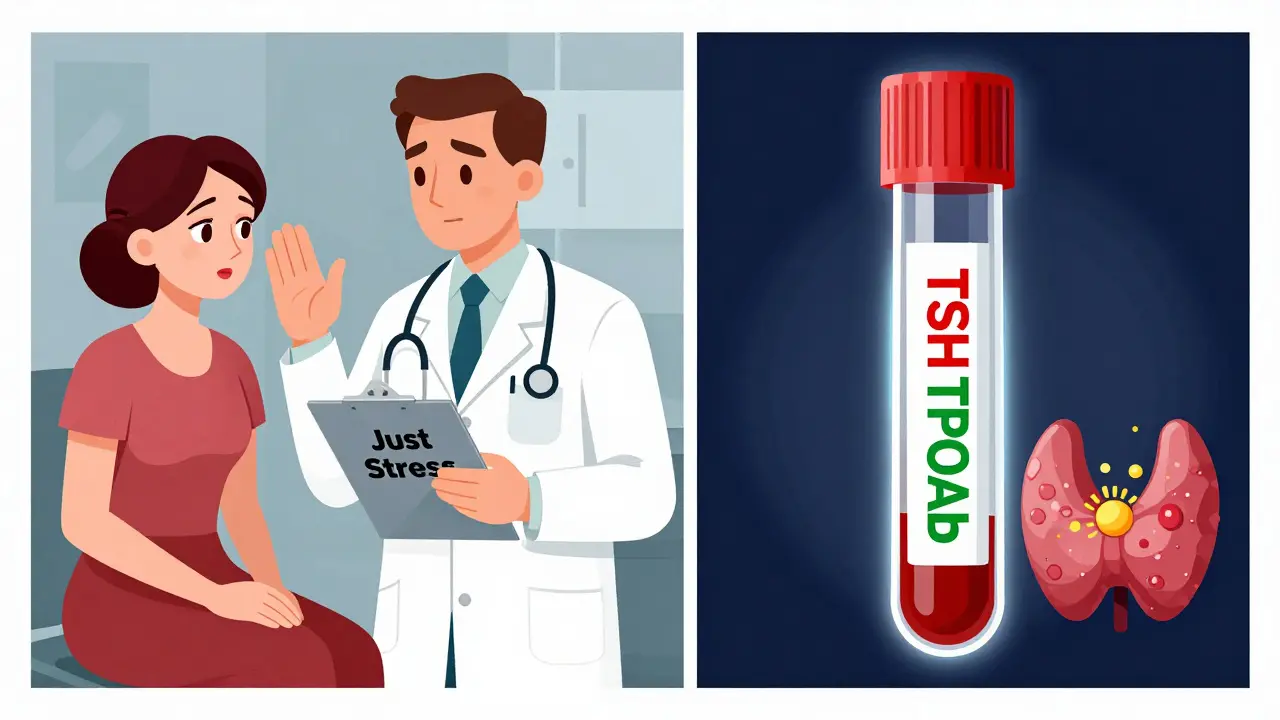
How Is It Diagnosed?
You can’t diagnose this with symptoms alone. You need blood tests. - During the hyperthyroid phase: TSH is low (below 0.4 mIU/L), free T4 is high. - During the hypothyroid phase: TSH is high (above 4.5 mIU/L), free T4 is low. And here’s the clincher: 80-90% of women with postpartum thyroiditis test positive for thyroid peroxidase antibodies (TPOAb). If you had these antibodies before pregnancy-even if your thyroid was fine-you’re at much higher risk. Women with type 1 diabetes have a 25-30% chance of developing it. If you’ve had it before with a previous pregnancy, your risk jumps to 40-70%. Testing isn’t routine for every new mom. The American College of Obstetricians and Gynecologists doesn’t recommend universal screening. But if you have risk factors-or your symptoms don’t make sense-ask for it. Don’t wait. The average time to diagnosis is over 5 months. That’s five months of unnecessary suffering.What Can You Do About It?
Treatment depends on the phase and how bad your symptoms are. In the hyperthyroid phase, most women don’t need medication. Beta-blockers (like propranolol) can help if your heart is racing or you’re trembling. But you can’t treat the root cause-your immune system is just cleaning house. It’ll pass. In the hypothyroid phase, if symptoms are moderate to severe, doctors often prescribe levothyroxine. This is the same hormone your thyroid should be making. It’s safe, even while breastfeeding. Many women feel like themselves again within weeks. Here’s the important part: you don’t need to stay on it forever. Most women stop the medication after 6-12 months and get retested. If your thyroid function returns to normal, you’re off it. If it doesn’t, you’ll need to stay on it long-term.Why So Many Women Miss the Diagnosis
Doctors aren’t always trained to think about thyroid issues after birth. A 2022 study found that 65% of primary care providers assume postpartum fatigue is just “being a new mom.” OB/GYNs often don’t bring it up unless the patient asks. And if you’re exhausted, overwhelmed, and told you’re fine… you stop pushing. Women on forums like Reddit share stories of seeing three different doctors before someone finally ordered a thyroid test. One woman said, “I cried for three months because I thought I was broken. Then my endocrinologist looked at my numbers and said, ‘This isn’t depression. This is your thyroid.’” The delay isn’t just frustrating-it’s harmful. Untreated hypothyroidism can affect your milk supply, your mood, your energy to care for your baby, and even your long-term heart health.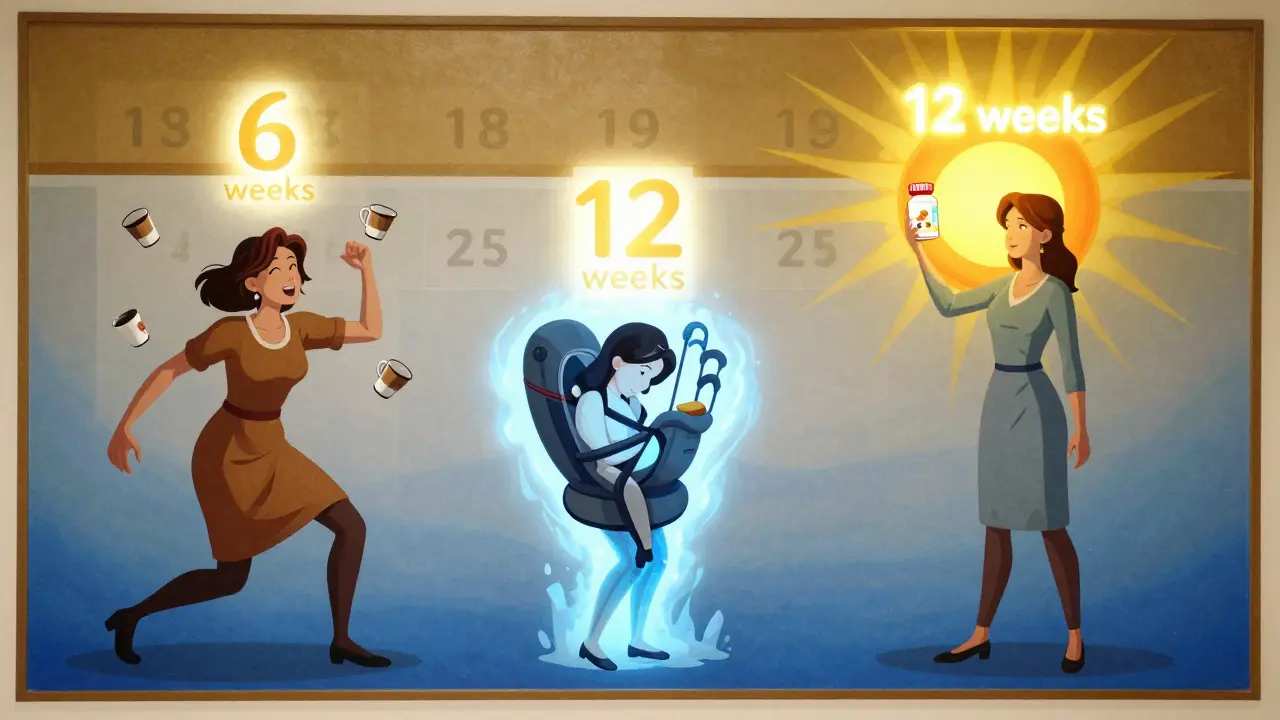
Who’s at Risk?
You’re more likely to develop postpartum thyroiditis if you:- Have type 1 diabetes
- Have a personal or family history of autoimmune disease (like Hashimoto’s or Graves’)
- Tested positive for TPO antibodies during pregnancy
- Had postpartum thyroiditis after a previous pregnancy
- Have a history of thyroid problems
What’s Changing in 2026?
The field is moving fast. In 2024, the Cleveland Clinic launched a digital symptom tracker that helps women log fatigue, temperature sensitivity, and mood changes. It flags when thyroid dysfunction is likely-cutting diagnosis time by 40% in early trials. New research is also looking at interleukin-10 as a potential early warning biomarker. If validated, this could mean testing for thyroiditis before symptoms even appear. Experts predict that within five years, universal TSH screening at 6 and 12 weeks postpartum will become standard in the US and parts of Europe. Right now, 85% of EU countries screen high-risk women. The UK is still catching up.What You Can Do Right Now
If you’re a new mom and something feels off-really off-don’t wait. Don’t assume it’s normal. Don’t let someone tell you it’s just stress.- Write down your symptoms: fatigue, weight changes, temperature sensitivity, heart rate, mood shifts
- Ask your GP or midwife for a TSH and free T4 blood test
- If you have risk factors, ask for TPO antibody testing too
- If your doctor says “wait and see,” ask for a referral to an endocrinologist
- Track your symptoms in a journal-this helps doctors see patterns
Can postpartum thyroiditis affect breastfeeding?
Yes, but not in the way most people think. Hypothyroidism can reduce milk supply in about 38% of women, according to clinical data from Baylor Scott & White. The good news? Levothyroxine is safe during breastfeeding and often restores milk production. Hyperthyroidism rarely affects supply but can cause anxiety or irritability, which may indirectly impact feeding routines. Always discuss medication options with your doctor-most thyroid treatments are compatible with nursing.
Is postpartum thyroiditis the same as Hashimoto’s?
They look almost identical under a microscope-both involve immune attacks on the thyroid. But postpartum thyroiditis happens only after pregnancy and usually resolves. Hashimoto’s is chronic and lifelong. Many women who have postpartum thyroiditis go on to develop Hashimoto’s later, especially if their TPO antibodies stay high. So, while they’re not the same condition, one can lead to the other.
Do I need to get tested again if I had it once?
Absolutely. If you’ve had postpartum thyroiditis after one pregnancy, your risk for it happening again is 40-70%. Experts recommend getting TSH and TPO antibody tests early in your next pregnancy-around week 6-and again at 6-12 weeks postpartum. Don’t wait for symptoms. Early detection means faster treatment and less suffering.
Can stress cause postpartum thyroiditis?
Stress doesn’t cause it, but it can make symptoms worse. The real trigger is immune system changes after pregnancy. When your body shuts down the immune overdrive it needed to protect the baby, it sometimes overshoots and starts attacking your thyroid. That’s the autoimmune trigger. Stress, lack of sleep, or poor nutrition won’t cause it-but they can make you feel worse while you’re waiting for diagnosis and treatment.
Will my baby be affected if I have postpartum thyroiditis?
No, not directly. Postpartum thyroiditis is not contagious and doesn’t pass to your baby through breast milk. Levothyroxine, the most common treatment, is safe during breastfeeding and doesn’t harm the baby. However, if your thyroid is severely underactive and untreated, it can affect your energy, mood, and ability to care for your child. Treating it helps you be the mom you want to be.
Ferdinand Aton
March 5, 2026 AT 15:09William Minks
March 6, 2026 AT 02:59Jeff Mirisola
March 6, 2026 AT 11:02Susan Purney Mark
March 8, 2026 AT 01:48Ian Kiplagat
March 9, 2026 AT 19:33Amina Aminkhuslen
March 10, 2026 AT 08:17amber carrillo
March 10, 2026 AT 12:59Tim Hnatko
March 10, 2026 AT 21:26Aaron Pace
March 11, 2026 AT 23:23