
 Jan, 3 2026
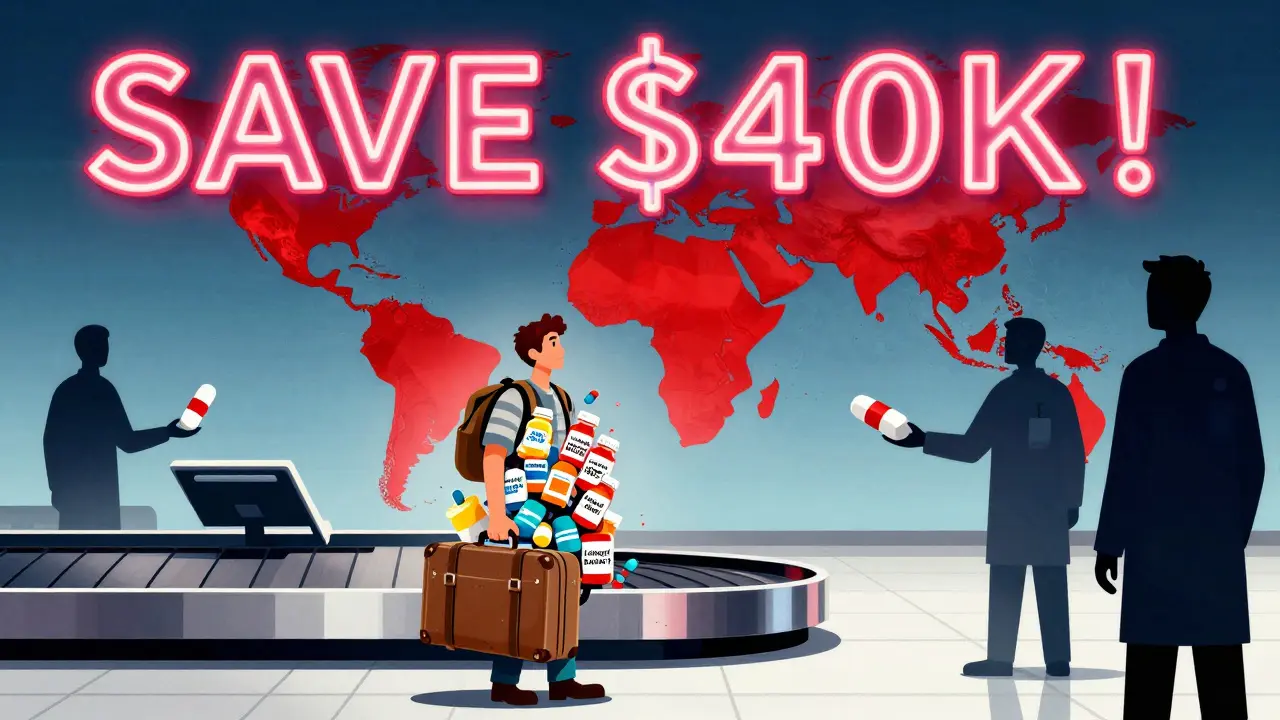
More than 14 million people travel abroad each year for medical care. They’re going to Thailand for knee replacements, Turkey for hair transplants, Mexico for dental work, and India for heart surgery-all because it’s cheaper, faster, or sometimes the only option. But here’s the part no one talks about until it’s too late: medication safety. What you’re prescribed overseas might not exist at home. It might be fake. It might interact with your regular pills. And when you land back in your country, your doctor has no idea what you took-or why.
Why Medication Safety Is the Hidden Risk in Medical Tourism
Cost is the biggest draw. A hip replacement in the U.S. can cost $50,000. In India, it’s $10,000. A cosmetic procedure in Turkey? Half the price of London. But the savings stop at the operating table. What happens after you leave the hospital? That’s where things get dangerous. Medications aren’t the same everywhere. A drug approved in the U.S. might be banned in the Philippines. A pill sold as “Lisinopril” in Mexico could contain half the active ingredient-or none at all. The World Health Organization estimates that 1 in 10 medical products in low- and middle-income countries are substandard or falsified. Even in places with strong regulations like Turkey or Thailand, the supply chain isn’t always clean. And if you’re buying medications from a clinic’s on-site pharmacy without a prescription, you’re gambling with your health. Then there’s the issue of drug interactions. You’re on blood thinners at home. The hospital abroad gives you a new painkiller that’s not on your list. You don’t tell your U.S. doctor because you assume they’ll never see the foreign prescription. Six weeks later, you end up in the ER with internal bleeding. This isn’t a hypothetical. It’s a common pattern reported by patients who’ve gone abroad for care.What’s Actually in Those Pills? The Regulatory Wild West
Every country has its own rules for what drugs are allowed, how they’re made, and how they’re labeled. The U.S. FDA, the EU’s EMA, and Health Canada have strict standards for manufacturing, testing, and labeling. But in many medical tourism destinations, oversight is patchy. Some clinics use suppliers with questionable quality control. Others import bulk drugs from unregulated sources to cut costs. Take South Korea. They’re leading the world in AI-driven cancer treatments and personalized medicine. But if you’re prescribed a new targeted therapy there, it might not be approved in the U.K. or Australia. Your oncologist back home won’t know how to monitor it. You might need blood tests every week that aren’t available locally. And if you run out? No refills. No equivalents. You’re stuck. Even when drugs are legitimate, dosing can be off. A patient from Canada received a diabetes medication in Thailand that was labeled in milligrams-but the Thai pharmacy used a different unit system. The patient took three times the dose. She ended up in a coma. That’s not rare. It’s predictable.What Happens When You Come Home?
This is where most medical tourists get blindsided. You come back with a stack of prescriptions. You hand them to your GP. They shrug. “I’ve never heard of this brand.” “This drug isn’t available here.” “I don’t know how to monitor this.” The CDC’s Yellow Book says nothing about medication reconciliation after medical tourism. Most primary care doctors aren’t trained to handle foreign prescriptions. Pharmacies won’t fill them. Insurance won’t cover them. You’re left with a gap in treatment-or worse, you try to replicate the regimen using over-the-counter substitutes. A 2024 study of 300 medical tourists returning to the U.K. found that 42% couldn’t get their post-op medications filled locally. Of those, 18% had to switch to less effective alternatives. Seven developed complications because the substitute didn’t work the same way. And what about supplements? Many clinics push “wellness packages”-herbal teas, immune boosters, unregulated vitamins. These aren’t medicines. They’re not tested. But they can interfere with your real prescriptions. St. John’s Wort can cancel out birth control. Turmeric can thin your blood. You don’t know what’s in them. The clinic won’t tell you.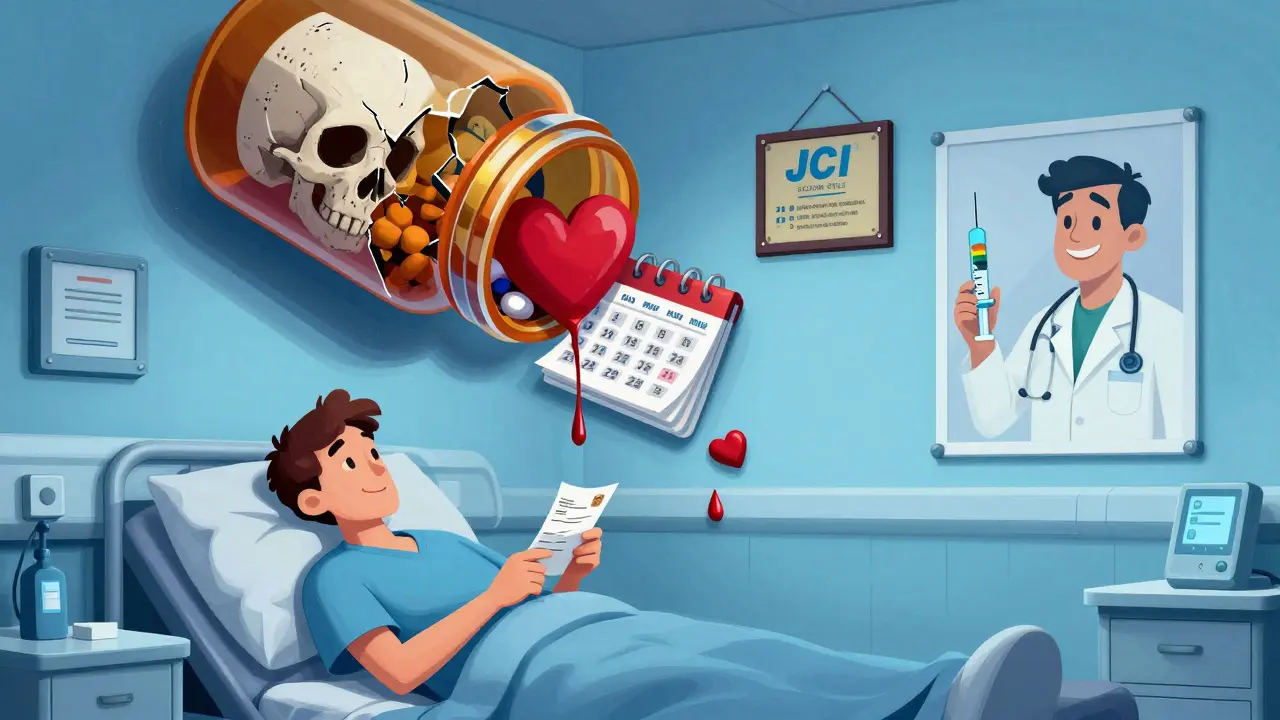
How to Protect Yourself: A Practical Checklist
You’re not going to stop medical tourism. It’s here to stay. But you can reduce the risks. Here’s what works:- Get a full medication list before you go. Write down every pill, patch, injection, and supplement you take. Include dosages and why you take them. Bring printed copies.
- Ask for the generic name, not the brand. If you’re prescribed “DexaMed 500,” ask: “What’s the active ingredient?” That’s the key to finding an equivalent at home.
- Get the prescribing doctor’s contact info. Ask for an email or phone number. You may need to reach them later for clarification.
- Take photos of all prescriptions and pill bottles. Include the label, dosage, and expiration date. This helps if you need to prove what you were given.
- Don’t buy meds from hotel pharmacies or street vendors. Even if they’re “recommended” by the clinic. Stick to the hospital’s pharmacy.
- Book a follow-up with your home doctor before you leave. Don’t wait until you get back. Schedule it for two weeks after your return. Bring all your records.
- Ask if the clinic uses digital health records. Some JCI-accredited hospitals now share records with international partners. Ask if yours can send your file to your home doctor electronically.
What Accreditation Really Means (and What It Doesn’t)
You’ve heard of JCI accreditation. It sounds impressive. But JCI checks the cleanliness of the OR, the training of nurses, the quality of equipment. It doesn’t audit drug sourcing. It doesn’t check if the pharmacy uses counterfeit suppliers. It doesn’t verify that prescriptions match international standards. A hospital can be JCI-accredited and still give you a drug that’s banned in your country. That’s not a failure of the accreditation-it’s a gap in what it covers. Look for clinics that are part of the International Society for Quality in Health Care or that partner with Western hospitals for medication oversight. Some clinics in Malaysia and Thailand now have agreements with U.S. or U.K. pharmacies to supply exact equivalents. That’s the gold standard. But it’s rare. Ask for proof.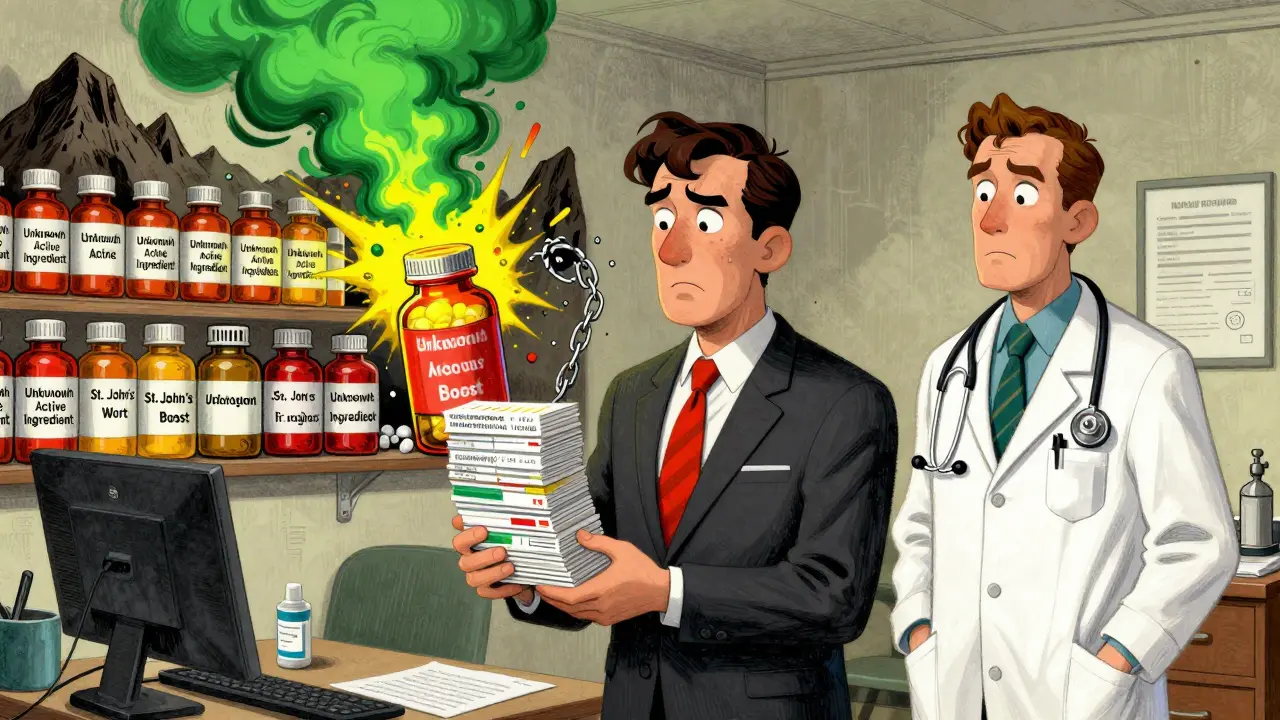
Dee Humprey
January 3, 2026 AT 11:31Been there. Got the pills. Ended up in the ER because my US doctor didn't recognize the brand name. Never again without a full generic list and photos of every bottle. Seriously, if they won't give you the active ingredient, walk out.
Vikram Sujay
January 4, 2026 AT 02:39The global disparity in pharmaceutical regulation reflects a deeper epistemological divide between commodified healthcare and patient autonomy. One must question whether cost efficiency has been elevated above the ethical imperative of bodily integrity.
Shanna Sung
January 5, 2026 AT 16:57They’re putting microchips in the pills to track you. I heard it from a nurse who quit after seeing the lab reports. The same companies that make the drugs also run the immigration databases. You think they care if you live or die?
Clint Moser
January 6, 2026 AT 05:43Substandard meds are a classic supply chain vulnerability. The WHO’s 1-in-10 stat is underreported-real numbers are closer to 25% in non-OECD hubs. Add in gray-market importation via courier services and you’ve got a biosecurity blind spot with no FDA oversight. It’s a perfect storm of regulatory arbitrage.
Brendan F. Cochran
January 8, 2026 AT 04:48Why are Americans letting foreigners treat us like cash cows? We pay for their hospitals with our taxes and then go abroad to get ripped off? This is why we need to rebuild our own system. No more outsourcing our health to some third-world clinic that can’t even spell aspirin right.
Jason Stafford
January 8, 2026 AT 20:58They’re not just selling fake pills-they’re selling your DNA. I know a guy who got a hip replacement in India and came back with a tracking implant in his titanium joint. The hospital was owned by a Chinese conglomerate that sells health data to the CCP. You think your blood pressure readings are private? Think again.
Justin Lowans
January 10, 2026 AT 20:00There’s real value in medical tourism if approached with discipline. The checklist in this post isn’t just helpful-it’s essential. I’ve guided three friends through this process, and each came back with no complications because they treated it like a clinical trial, not a vacation. Preparation turns risk into reliability.
Ethan Purser
January 11, 2026 AT 12:42They don’t want you to know this, but the FDA has a backdoor deal with 12 major medical tourism clinics. They turn a blind eye to counterfeit drugs in exchange for kickbacks on patient referrals. I’ve got the leaked emails. You think your insurance is protecting you? It’s complicit.
Doreen Pachificus
January 12, 2026 AT 03:54Has anyone actually tried to get a foreign prescription filled in the US? I did once. The pharmacist laughed, said it was "not a real drug" and handed me a coupon for Tylenol. No joke.
Rory Corrigan
January 12, 2026 AT 14:45Medicine is the last frontier of capitalism. We treat our bodies like commodities, outsource our pain to the cheapest bidder, then wonder why we’re broken. The real cost isn’t the surgery-it’s the soul you trade for a discount.
Roshan Aryal
January 14, 2026 AT 04:10You Americans think you’re so superior with your FDA. But your drugs are overpriced because of patent monopolies and pharma lobbying. In India, we have real generics-effective, affordable, and regulated by our own standards. Your fear is ignorance. We don’t poison our people-we empower them.
Chris Cantey
January 14, 2026 AT 04:10I used to think this was just about safety. Now I realize it’s about control. Who gets to decide what medicine you take? The doctor in Bangkok? The insurance company in Ohio? Or the algorithm that tracks your biometrics and predicts your next prescription? We’re not patients anymore. We’re data points.
Abhishek Mondal
January 14, 2026 AT 15:13It is, however, imperative to note that the very notion of "medication safety" as presented herein is predicated upon a Western-centric epistemology of pharmacology, which is inherently ethnocentric and dismissive of indigenous pharmacopeias and traditional systems of medicine that have, for millennia, demonstrated efficacy through empirical observation and communal knowledge transmission. The hegemony of the FDA is not a guarantee of safety-it is a monopoly of orthodoxy.
Angie Rehe
January 16, 2026 AT 08:48JCI accreditation is a scam. I worked in one of those "top-tier" clinics in Thailand. The pharmacy manager was buying bulk lisinopril off Alibaba. They stamped "FDA approved" on the bottles with a rubber stamp. I quit after I saw a patient nearly die from fake blood pressure meds. No one cared. They were too busy selling the "wellness package" with the magic turmeric tea.
saurabh singh
January 17, 2026 AT 16:30As an Indian doctor, I see this every day. We don’t want to exploit tourists-we want to help. But the system is broken. Clinics cut corners. Patients don’t ask questions. I always tell my foreign patients: "Ask for the generic. Take a photo. Email your home doctor before you leave." Simple. But nobody does it. I’m proud of what we offer-but we need better accountability. Not blame. Better systems.