
 Apr, 28 2026
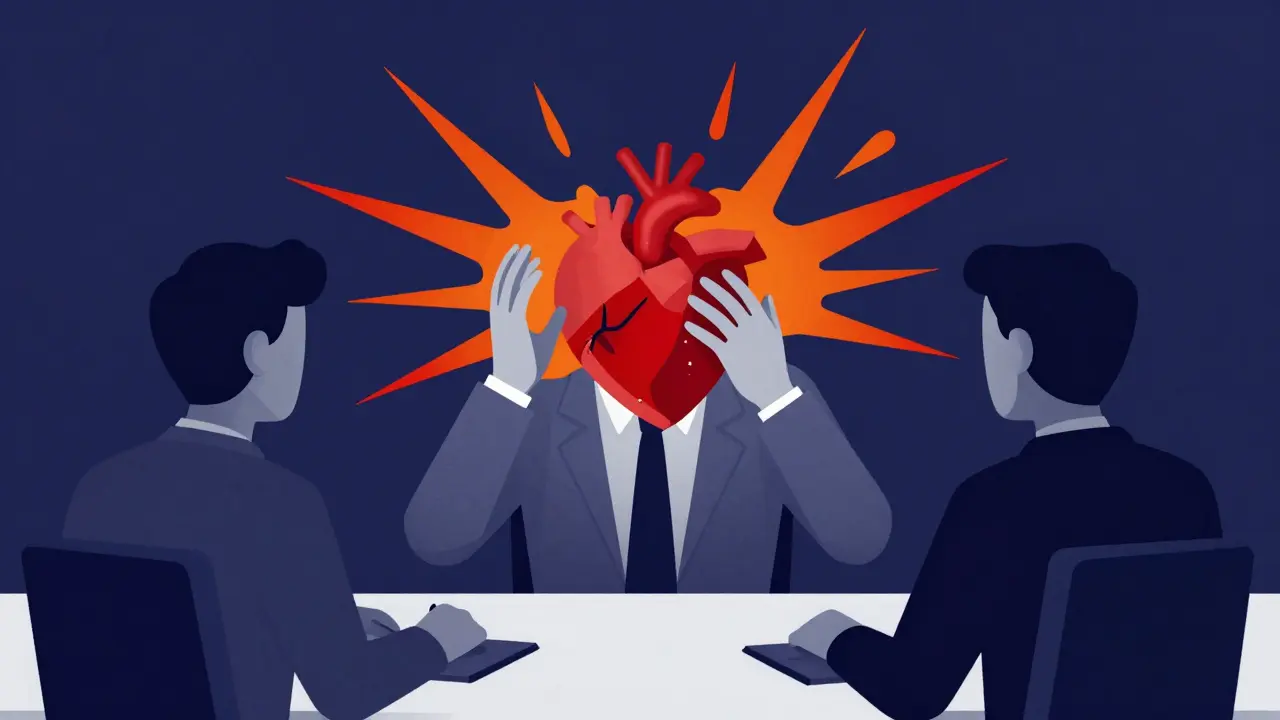
Imagine being in the middle of a work meeting or driving home when suddenly your hands start shaking, your heart races, and you can't quite focus on the conversation. For millions of people, this isn't just a panic attack-it's a drop in blood glucose that needs immediate attention. Hypoglycemia is a medical state where blood glucose levels drop below the healthy range, typically under 70 mg/dL (3.9 mmol/L) for those with diabetes. While it can feel like a minor inconvenience, untreated severe episodes can lead to unconsciousness or seizures within 20 minutes, making it one of the most urgent complications of diabetes management.
The Warning Signs: Adrenergic vs. Neuroglycopenic Symptoms
Your body reacts to low blood sugar in two distinct waves. The first wave is your "alarm system," known as adrenergic symptoms. These happen because your body releases epinephrine (adrenaline) to try and push glucose back into your bloodstream. You might experience palpitations with a heart rate jumping over 100 beats per minute, sudden sweating, or tremors in your hands. These are the red flags telling you to check your levels immediately.
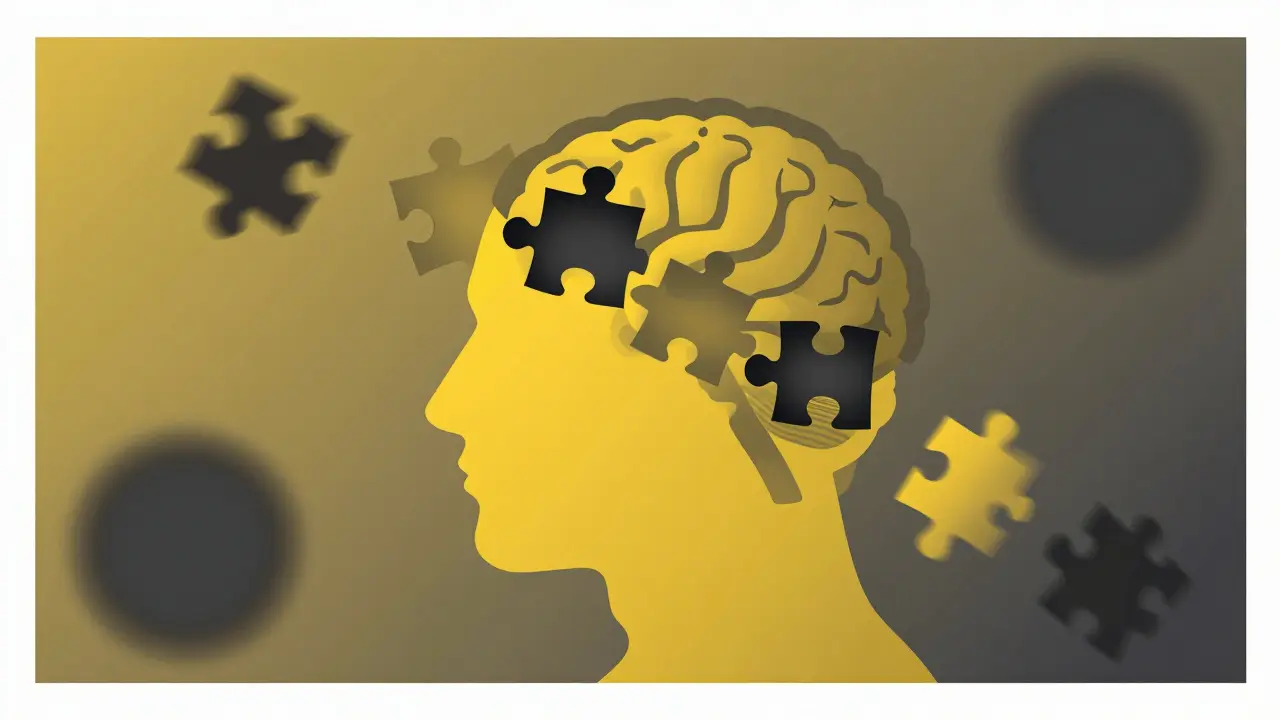
If the glucose continues to drop, your brain begins to starve for energy. This triggers neuroglycopenic symptoms. Because the brain relies almost exclusively on glucose, you'll notice cognitive slips. It starts with blurred vision when levels hit 55-60 mg/dL, moving into confusion and irritability around 50-55 mg/dL. If it drops below 45 mg/dL, the risk of unconsciousness becomes critical. Interestingly, some people-especially those who have had Type 1 diabetes for over 15 years-develop "hypoglycemia unawareness," where they stop feeling these warnings entirely, significantly increasing the danger of a severe crash.
Why Does Blood Sugar Drop?
For most, the cause is a simple imbalance between medication, food, and activity. In the diabetic community, the majority of episodes stem from an insulin overdose or taking insulin without eating enough carbohydrates to balance it out. Physical exertion is another huge trigger; a workout exceeding 6 METs (like a brisk hike or a heavy gym session) can plummet glucose levels if you haven't adjusted your basal insulin or eaten a pre-workout snack.
However, you don't have to have diabetes to experience this. Some people suffer from Reactive Hypoglycemia, which is a drop in blood sugar that occurs 2 to 4 hours after eating, often seen in people who have undergone bariatric surgery. Others may face fasting hypoglycemia, which is rarer and can point to serious issues like an insulinoma (a small tumor on the pancreas) or organ failure.
| Feature | Diabetic Hypoglycemia | Non-Diabetic (Reactive) |
|---|---|---|
| Treatment Threshold | 70 mg/dL (3.9 mmol/L) | 55 mg/dL (3.1 mmol/L) |
| Frequency | High (can be daily/weekly) | Rare (sporadic) |
| Primary Cause | Insulin/Medication imbalance | Post-meal glucose spike & crash |
| Risk Factor | Insulin therapy, exercise | Bariatric surgery, insulin sensitivity |
How to Treat a "Hypo": The 15-15 Rule
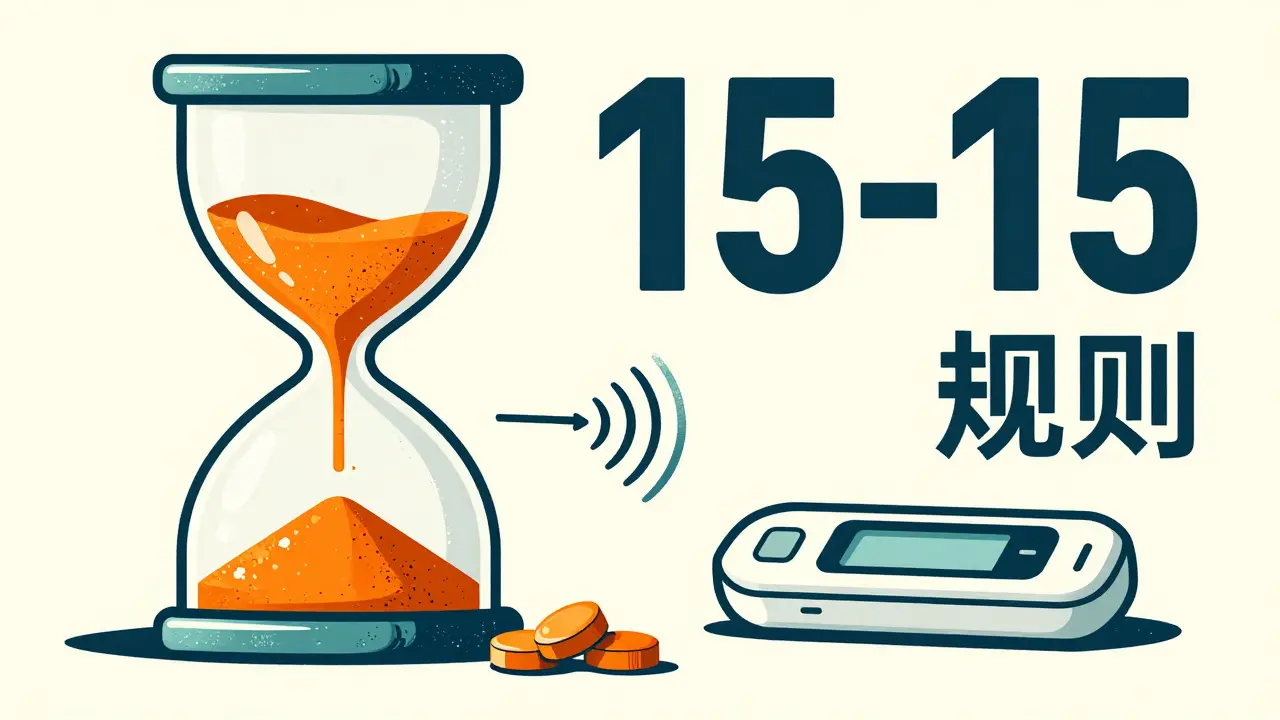
When you catch a drop early, the gold standard for recovery is the hypoglycemia prevention strategy known as the 15-15 rule. It's simple: eat 15 grams of fast-acting carbohydrates, wait 15 minutes, and then recheck your blood sugar. If your levels are still below 70 mg/dL, repeat the process.
What counts as 15 grams of fast carbs? Think of things that hit the bloodstream instantly:
- 4 ounces (half a cup) of fruit juice or regular soda.
- 1 tablespoon of honey, corn syrup, or sugar.
- 3 to 4 glucose tablets.
- A handful of hard candies (check the label).
Avoid eating chocolate or peanut butter for the initial fix. While they have sugar, the fats slow down the absorption of glucose, meaning your blood sugar won't rise fast enough to stop a severe crash. Once you're stable, eat a small snack with protein and a complex carb-like a piece of whole-grain toast with cheese-to keep your levels steady until your next meal.
Managing Severe Episodes and Glucagon
The 15-15 rule works for mild to moderate cases, but it's useless if the person is unconscious or unable to swallow. In these scenarios, emergency intervention is required using Glucagon, which is a hormone that triggers the liver to release stored glucose into the bloodstream.
Modern medicine has made this much easier. While traditional glucagon required a needle and vial, newer options like nasal powders (such as Dasiglucagon) allow caregivers to administer the medication without a needle, boasting a response rate of about 94% within 15 minutes. If you have a loved one prone to severe hypos, having one of these on hand and training your family on how to use it is a literal lifesaver.
Strategic Prevention and Technology
Stopping a crash before it starts is always better than treating one. Precision in carbohydrate counting is key; for many, adjusting 1g of carbs per 1 unit of insulin within a two-hour window can prevent a dip. If you're planning a long workout, try reducing your basal insulin by 20-50% to account for the increased glucose uptake by your muscles.
The biggest game-changer in recent years is Continuous Glucose Monitoring (CGM), which is a wearable sensor that tracks glucose levels in real-time and alerts the user to rapid declines. Systems like the Guardian 4 now include predictive low-glucose suspend features, which can automatically pause insulin delivery if the AI predicts you'll hit a low in the next 30 minutes. This has been shown to reduce nighttime hypoglycemia-the dreaded "dead-in-bed" risk-by nearly 44%.
Practical Checklist for Hypoglycemia Readiness
- The Emergency Kit: Always carry fast-acting glucose (tabs or gel) and a source of protein.
- The Buddy System: Wear a medical ID bracelet so bystanders know how to help if you're confused or unconscious.
- The Tech Setup: Set your CGM alarms at 70 mg/dL for a warning and 55 mg/dL for urgent action.
- The Logbook: Track the timing and causes of your hypos to find patterns (e.g., "always happens 3 hours after lunch").
What is the difference between a "hypo" and a "hyper"?
A "hypo" (hypoglycemia) is low blood sugar, usually under 70 mg/dL, causing shakiness and confusion. A "hyper" (hyperglycemia) is high blood sugar, causing extreme thirst, frequent urination, and fatigue. They require opposite treatments: fast sugar for hypos and usually more insulin or water for hypers.
Can you have low blood sugar if you don't have diabetes?
Yes. This is often called reactive hypoglycemia, occurring after a high-carb meal when the body overproduces insulin. It can also be caused by severe illness, kidney failure, or certain medications. If you experience this without diabetes, you should see a doctor to rule out insulinomas or hormonal imbalances.
What should I do if I feel a low coming on while driving?
Pull over immediately. Do not try to "power through" to your destination. Even a slight drop to 50 mg/dL can impair your driving ability as much as being legally intoxicated. Treat the low with 15g of fast carbs and wait until your levels are stable and your mind is clear before resuming your trip.
Why do I have nightmares when my blood sugar drops at night?
This is sometimes called "hypnoxia." When your brain is deprived of glucose during sleep, it can trigger intense, vivid, or frightening dreams. This is a critical warning sign that your basal insulin dose may be too high or your evening meal was insufficient.