
 Jan, 23 2026
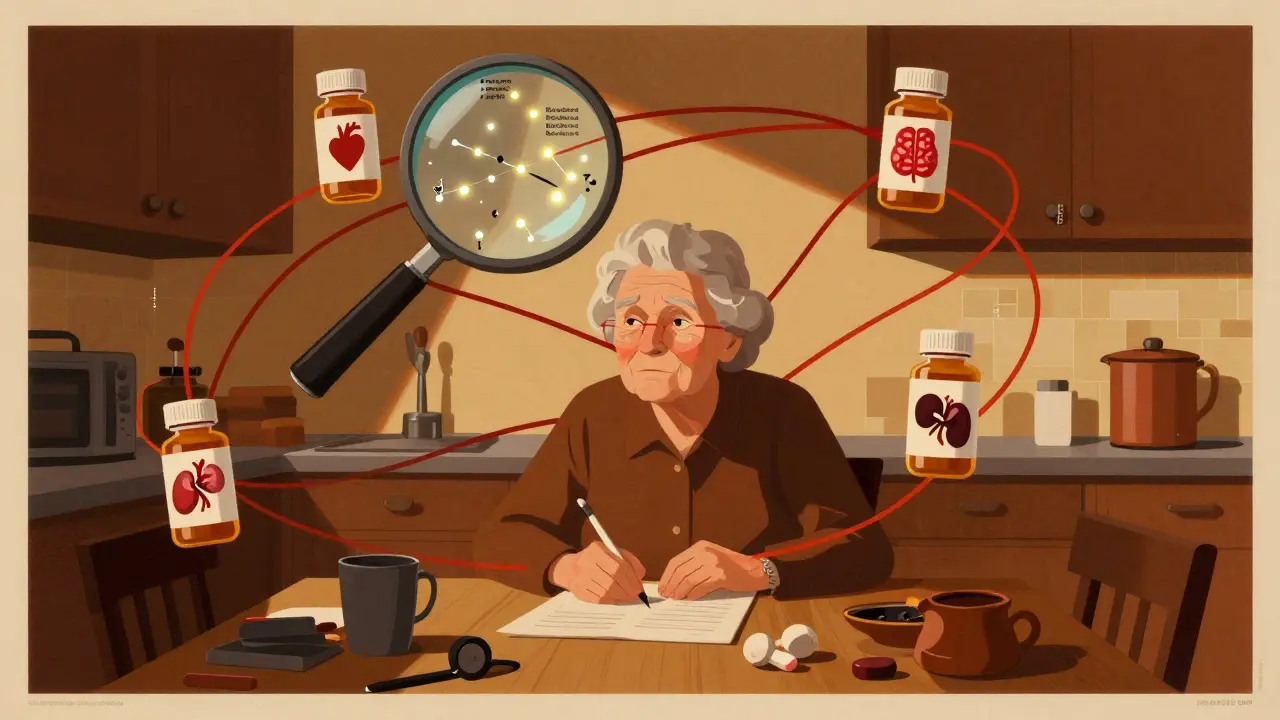
Every year, nearly 35% of hospital admissions for people over 65 are caused by medication problems. And more than half of those could have been avoided. The biggest culprit? Drug-drug interactions. When an elderly person takes five, six, or even ten different pills, the chance of harmful overlaps skyrockets. It’s not just about taking too many drugs-it’s about which ones are mixed together, how the body changes with age, and who’s managing the list.
Why Older Adults Are at Higher Risk
As we age, our bodies don’t process drugs the same way. The liver slows down. Kidneys filter less efficiently. Fat and muscle ratios shift. These changes mean medications stick around longer, build up in the system, and can turn from helpful to harmful. An older adult might be just as sensitive to a drug as a child, even if they’re taking the same dose.Take blood pressure meds and NSAIDs like ibuprofen. Together, they can crash kidney function. Or consider a statin and a common antibiotic-both processed by the same liver enzyme. Add them up, and you get muscle damage, not just lower cholesterol. These aren’t rare mistakes. In fact, 38.7% of serious drug interactions in seniors involve heart and blood pressure drugs. Another 29.4% hit the brain, causing dizziness, confusion, or falls.
And it’s not just prescriptions. Nearly 70% of older adults don’t tell their doctor about the vitamins, herbs, or over-the-counter painkillers they’re taking. Garlic pills, St. John’s wort, melatonin-they all interact. One study found that 68% of seniors hide their supplement use because they think it’s “not medicine.” But it is.
Polypharmacy: The Silent Crisis
Polypharmacy-taking five or more medications-isn’t just common. It’s normal for many seniors. About 40% of older adults in the U.S. are on five or more prescriptions. Some are managing diabetes, heart disease, arthritis, depression, and insomnia-all at once. Each doctor sees one piece. The cardiologist prescribes a beta-blocker. The neurologist adds a sleep aid. The primary care doc adds a diuretic. No one sees the full picture.And when someone switches doctors or moves to a new pharmacy, the risk spikes. More than two-thirds of seniors see multiple providers and use different pharmacies. That means no single person has the full list. Pills get duplicated. Doses get doubled. Dangerous combos slip through.
It’s not just about quantity-it’s about quality. The American Geriatrics Society’s Beers Criteria, updated in 2023, lists 30 medications that should be avoided in older adults because the risks outweigh the benefits. Examples include long-acting benzodiazepines like diazepam (too sedating), anticholinergics like diphenhydramine (causes confusion), and certain NSAIDs (bad for kidneys). There are also 40 more drugs that need lower doses because of reduced kidney function.
Tools That Actually Work
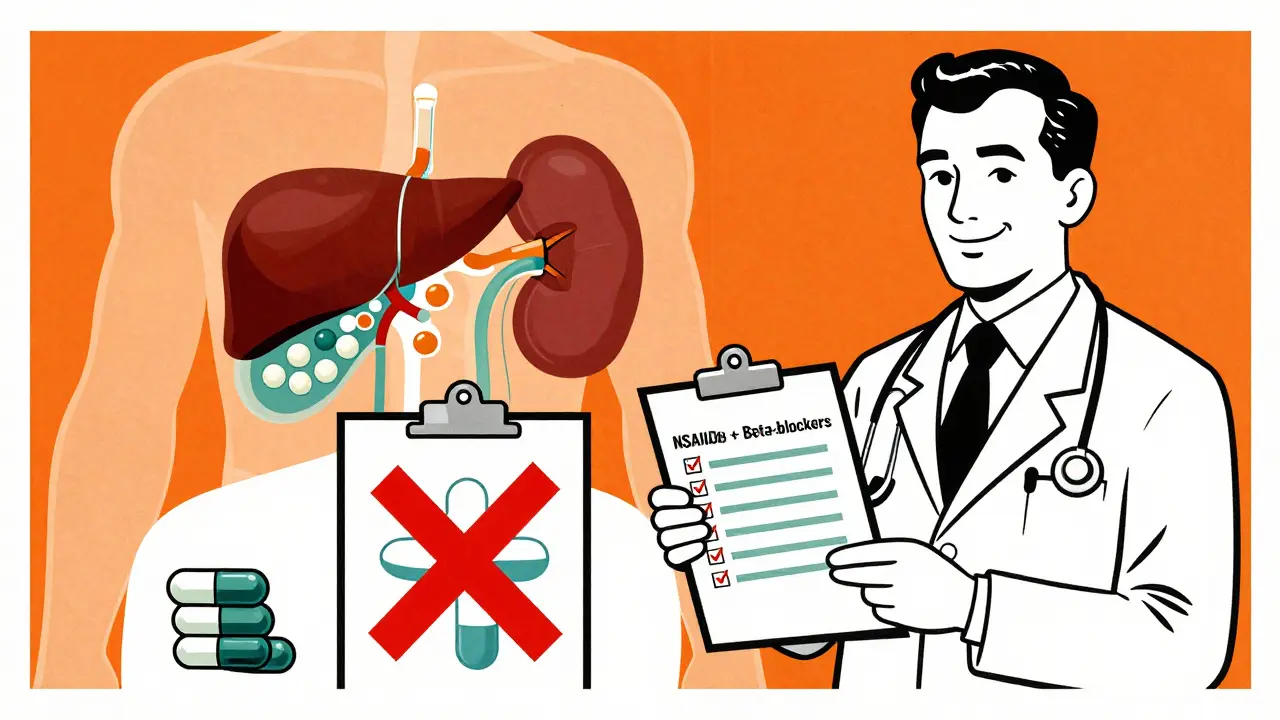
There are proven tools to catch these problems before they hurt someone. Two stand out: the Beers Criteria and the STOPP criteria.STOPP stands for Screening Tool of Older Persons’ Potentially Inappropriate Prescriptions. It’s a checklist with 114 red flags-like prescribing a diuretic to someone with low sodium, or using a sleeping pill with a history of falls. When hospitals used STOPP during discharge planning, they cut inappropriate prescribing by 34.7% and reduced readmissions by 22.1%.
Another tool, called NO TEARS, gives doctors a step-by-step way to review every medication:
- Need: Is this drug still necessary?
- Optimization: Is the dose right for age and kidney function?
- Trade-offs: Do the benefits still outweigh the risks?
- Economics: Can the patient afford it?
- Administration: Are they taking it correctly?
- Reduction: Can we stop one or two?
- Self-management: Do they understand why they’re taking it?
One clinic in Minnesota used NO TEARS in every visit for patients on seven or more drugs. Within six months, they cut unnecessary medications by 27% and reduced ER visits by 31%.
What Doctors Should Do
It’s not enough to just check a box. Prevention requires time, communication, and follow-up.Doctors should spend at least 15 minutes per visit reviewing medications with seniors on five or more drugs. For those on seven or more, add another 10 minutes. That’s not optional-it’s essential. And no, you can’t do it in five minutes while typing on a computer.
Never start two new medications at the same time. If a patient gets a new painkiller and a new antidepressant in the same visit, and they get dizzy the next day-how do you know which one caused it? Start one. Wait two weeks. Then add the next. That’s how you find the culprit.
And don’t rely on electronic alerts alone. Most systems flag every possible interaction-even ones that are harmless or irrelevant. That creates alert fatigue. Doctors start ignoring them. The best systems combine automated flags with human review.
What Families and Patients Can Do
You don’t have to wait for your doctor to fix this. You can help.Bring a complete list of everything you take to every appointment. Include:
- Prescriptions
- Over-the-counter pills (Tylenol, ibuprofen, antacids)
- Vitamins and supplements (fish oil, magnesium, ginkgo)
- Herbs and teas (turmeric, chamomile, ginseng)
- Topical creams and patches (lidocaine, fentanyl)
Use one pharmacy if you can. It’s easier for the pharmacist to spot conflicts. If you use multiple pharmacies, ask them to share your list with each other.
Ask these three questions at every visit:
- Can any of these be stopped?
- Is this still helping me, or just adding risk?
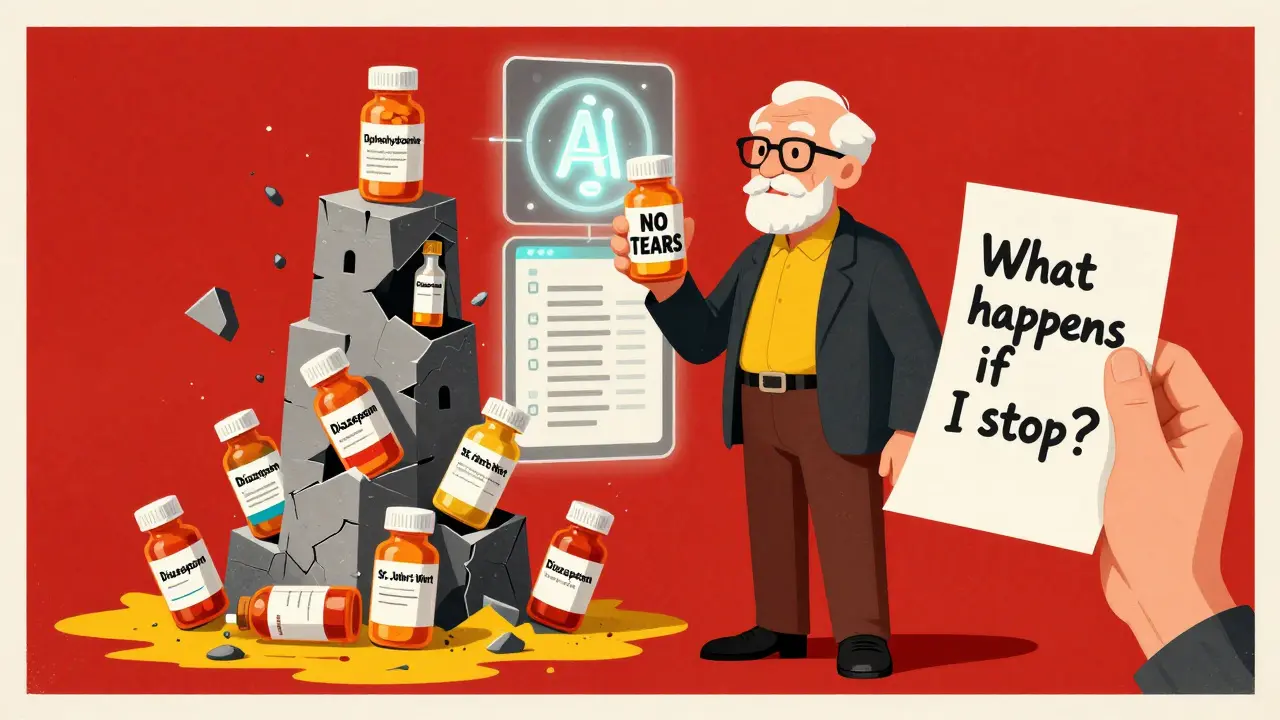
- What happens if I don’t take this anymore?
Don’t be afraid to say, “I think I’m taking too much.” Many seniors don’t speak up because they think their doctor knows best. But doctors don’t know what you’re not telling them.
The Bigger Picture
The system is broken-not because of bad people, but because it wasn’t built for aging bodies. Clinical trials for new drugs rarely include older adults. Less than 5% of participants in Phase 3 trials are over 65, even though they make up 40% of the people who will use those drugs. That means we’re guessing how they’ll react.The FDA is trying to fix this. Their 2022 guidance asks drug makers to test medications in older adults and report how age affects metabolism. But only 18% of new drug applications between 2018 and 2022 included that data. That’s not progress-it’s a gap.
Meanwhile, AI tools are starting to help. Hospitals using artificial intelligence to flag dangerous interactions saw adoption jump from 22% in 2020 to 47% in 2023. These systems can scan hundreds of interactions in seconds, cross-check with Beers and STOPP, and suggest safer alternatives.
But technology can’t replace human judgment. No algorithm knows if your grandmother can afford her pills. Or if she’s swallowing them correctly. Or if she’s scared to stop something her doctor told her to take 10 years ago.
What’s Next
The 2025 update to the Beers Criteria will add more drug-disease interactions and 15 new medications requiring kidney-based dose adjustments. That’s good. But real change needs more than updated lists.Medical schools still don’t teach enough about geriatric pharmacology. Only 38% of U.S. medical schools have a dedicated course. That number is rising-projected to hit 65% by 2026-but it’s too slow.
Medicare’s Medication Therapy Management program has helped 11.2 million people since 2020, reducing hospitalizations by 15.3%. But it’s underused. Many seniors don’t even know it exists.
The solution isn’t one magic fix. It’s a system of checks: better labeling, smarter tools, trained providers, informed families, and patients who ask questions. Every pill matters. Every interaction counts. And in older adults, the stakes are life or death.
What are the most dangerous drug combinations for seniors?
The most dangerous combinations involve drugs that affect the heart and brain. Examples include: beta-blockers with calcium channel blockers (can cause dangerously low heart rate), NSAIDs with diuretics or ACE inhibitors (risk of kidney failure), benzodiazepines with opioids (increased risk of falls and breathing problems), and statins with certain antibiotics like clarithromycin (can cause muscle damage). The Beers Criteria and STOPP tools specifically flag these high-risk pairs.
Can over-the-counter medicines cause interactions?
Yes. Common OTC drugs like ibuprofen, diphenhydramine (Benadryl), and pseudoephedrine can interact badly with prescriptions. Ibuprofen can reduce the effect of blood pressure meds and damage kidneys. Diphenhydramine has strong anticholinergic effects that cause confusion and memory problems in older adults. Even herbal supplements like St. John’s wort can interfere with antidepressants, blood thinners, and heart medications. Always list everything you take-even if you think it’s “natural.”
How often should medication reviews happen?
At least once a year, but more often if the patient is on five or more medications or has had a recent hospital stay. The American Academy of Family Physicians recommends a full medication review during every visit for seniors on polypharmacy. After a hospital discharge, a review should happen within 7-10 days. Many interactions happen right after a new drug is added or a dose is changed.
Is it safe to stop a medication without talking to a doctor?
No. Stopping certain medications suddenly can be dangerous-like suddenly stopping a beta-blocker (can cause rebound high blood pressure) or an antidepressant (can trigger withdrawal symptoms). But many older adults take medications that are no longer needed. The key is to talk to a doctor or pharmacist before stopping anything. Use the NO TEARS tool to ask: “Is this still helping?” and “What happens if I stop?”
How do I know if a medication is inappropriate for my age?
Check the American Geriatrics Society’s Beers Criteria, which lists medications that should be avoided or adjusted in older adults. Common red flags include long-acting sleeping pills, anticholinergics (like some allergy meds), and NSAIDs for chronic pain. Ask your pharmacist or doctor if any of your meds are on this list. Many pharmacies now flag Beers Criteria drugs automatically when filling prescriptions.
Can AI really help prevent drug interactions?
Yes. AI-powered clinical decision tools now scan a patient’s full medication list, compare it to the Beers Criteria and STOPP guidelines, and flag dangerous combinations in seconds. Hospitals using these tools report fewer adverse events and better adherence to guidelines. But AI isn’t perfect-it can’t assess affordability, cognitive ability, or whether a patient is actually taking the pills. Human judgment is still essential.
Alexandra Enns
January 24, 2026 AT 08:42This article is laughably naive. You think doctors are the ones who should fix this? Please. The real problem is that Big Pharma funds every single guideline, including Beers and STOPP. They want seniors on ten pills so they keep buying. I’ve seen it firsthand-my grandma’s ‘heart med’ was just a rebranded version of a drug pulled from Europe because it caused strokes. The FDA? A puppet. AI tools? Trained on corporate data. You’re being manipulated, folks.
Marie-Pier D.
January 24, 2026 AT 13:38Thank you for writing this with so much heart 💛 I’ve been helping my 82-year-old mom sort through her meds for years, and it’s been a nightmare. She had 14 prescriptions + 8 supplements, and no one ever asked if she could even open the bottles. We cut it down to 6 after a pharmacist review using NO TEARS-and her balance improved, her confusion cleared, and she started cooking again. It’s not about cutting pills-it’s about restoring dignity. Please share this with every family caregiver you know.
Heather McCubbin
January 25, 2026 AT 15:18Let me get this straight you want old people to stop taking their meds because some doctor didn’t do their homework well enough and now we’re blaming the system like it’s a Netflix documentary? Wake up. People take meds because they’re scared to die. You think they care about kidney function when their chest is tight? You think they care about drug interactions when their arthritis makes them scream at 3am? Stop pretending this is about science. It’s about fear. And fear doesn’t listen to guidelines.
venkatesh karumanchi
January 27, 2026 AT 10:14As someone who works with elderly patients in India, I can confirm this is global. Many don’t even have access to a pharmacist, let alone a Beers Criteria checklist. We use simple paper lists, handwritten by family members, and check them weekly. Sometimes we just stop one drug at a time and watch. No fancy AI. Just patience. And love. It works. The tools are great-but human care is irreplaceable.
Sharon Biggins
January 28, 2026 AT 19:42my aunt just got off 4 meds after her dr used the no tears method and shes been walking without her cane for 3 months now. i never knew how much her dizziness was from meds not just age. this is so important. thank you for sharing this. please keep talking about it. so many people dont know this even exists
John McGuirk
January 29, 2026 AT 02:37they’re lying about the 35% stat. I looked up the CDC data. It’s 28.4% and they inflated it to scare people into taking more tests. And the AI thing? That’s just another way for hospitals to fire pharmacists. The real reason meds are dangerous? Because insurance won’t pay for a 15-minute review. They want you in and out. That’s the truth. Not your Beers list. Not your STOPP. Just money.
Michael Camilleri
January 29, 2026 AT 14:13So we’re supposed to believe that a 78-year-old woman taking 8 pills is somehow responsible for knowing which ones interact? Who taught her that? Who taught her to read a label? Who taught her that garlic pills count as medicine? This isn’t a medical problem. It’s a moral failure. We let people age without teaching them how to survive the system. We built a machine that grinds them up and call it healthcare. And now we want them to fix it themselves? Pathetic.
lorraine england
January 30, 2026 AT 04:17My mom’s pharmacist flagged her for taking diphenhydramine with her blood pressure med-she’d been taking Benadryl for ‘sleep’ for 12 years. We switched her to melatonin and she’s been sleeping better and less confused. I didn’t even know it was a problem until the pharmacist said ‘this is a red flag.’ So many people don’t know. Talk to your pharmacist. They’re the unsung heroes.
Kevin Waters
January 30, 2026 AT 23:10I’ve been a geriatric pharmacist for 18 years and I can tell you-NO TEARS works. We implemented it in our clinic and saw ER visits drop. But the biggest win? Patients started asking questions. One woman said, ‘I didn’t know I could ask if I still needed this.’ That’s the real win. Not the stats. The shift in mindset. We need more of this. Not less.
Elizabeth Cannon
February 1, 2026 AT 19:10so i just found out my dad was taking 2 different versions of the same blood pressure med because he went to 2 different drs and they both wrote prescriptions. no one talked. no one checked. he almost had a stroke. now we use one pharmacy and i keep a printed list in his wallet. if you have an elderly loved one-do this. it’s not hard. it’s just not done enough.
siva lingam
February 2, 2026 AT 00:14