
 Dec, 21 2025
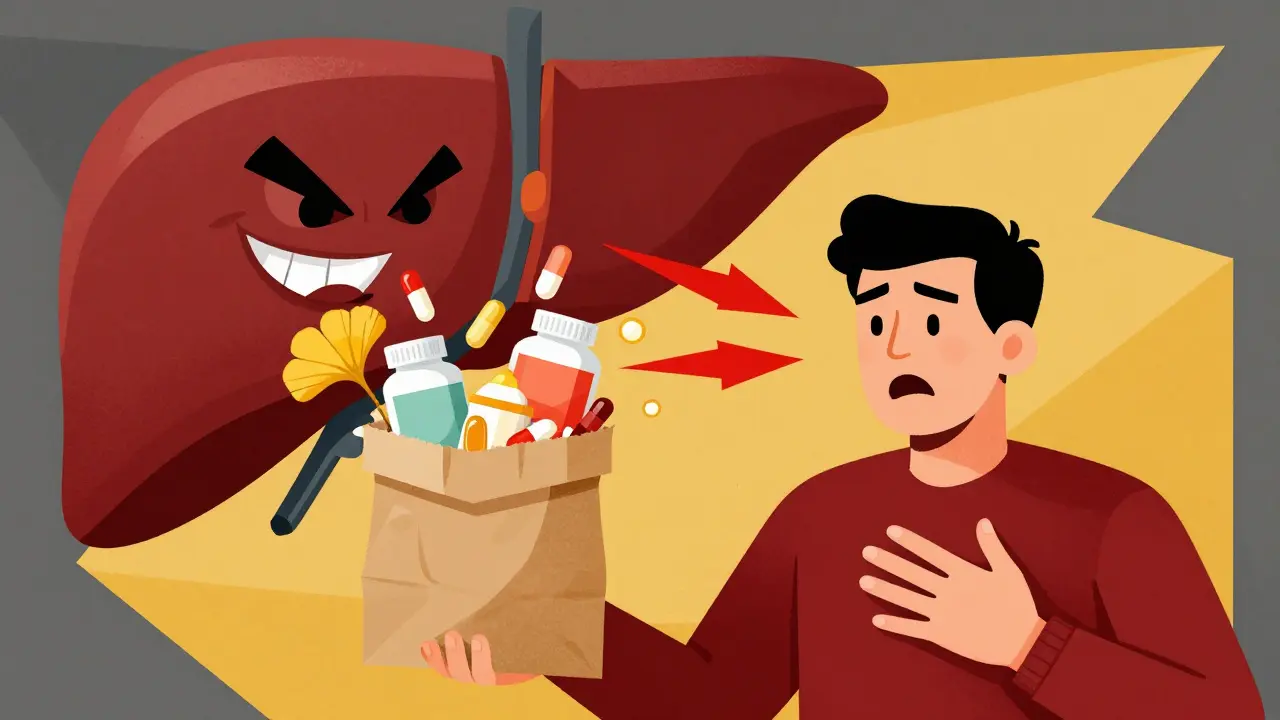
Every year, over 23,000 people in the U.S. end up in the emergency room because of dangerous mixtures between dietary supplements and prescription medications. Many of these cases happen because people assume that if something is "natural," it must be safe - especially when taken with their pills. But that’s not true. Supplement and medication interactions can turn a harmless routine into a life-threatening situation. You might be taking vitamin D, fish oil, or St. John’s wort without realizing it’s quietly weakening your blood thinner, blocking your antidepressant, or raising your risk of a stroke. The good news? You don’t need to guess. There are clear, practical steps you can take right now to protect yourself.
Why Supplements Can Be Dangerous With Medications
Supplements aren’t regulated like prescription drugs. Under the 1994 Dietary Supplement Health and Education Act, companies don’t have to prove their products are safe before selling them. That means a bottle labeled "pure ginkgo biloba" could contain anything - or nothing at all. More importantly, even legitimate supplements can interfere with how your body processes medications. The biggest culprits are supplements that affect liver enzymes called cytochrome P450. These enzymes break down about 70% of all prescription drugs. When a supplement like St. John’s wort boosts or blocks these enzymes, it changes how much of your medication actually gets into your bloodstream. For example, St. John’s wort can slash the effectiveness of cyclosporine - the drug transplant patients rely on to keep their new organs from being rejected - by up to 50%. That’s not a minor drop. That’s a medical emergency waiting to happen. Other supplements work differently. Calcium, magnesium, zinc, and iron all fight for the same absorption spots in your gut. If you take iron for anemia and a calcium supplement for bone health at the same time, your body might absorb barely any of either. Same goes for thyroid medication - if you take it with a multivitamin containing iron or calcium, it won’t work properly.High-Risk Supplements You Should Be Worried About
Not all supplements carry the same danger. Some are mostly harmless. Others? They’re ticking time bombs when paired with common prescriptions.- St. John’s wort: This herb is the most dangerous supplement on the market when mixed with medications. It interacts with over 57 prescription drugs, including antidepressants (SSRIs), birth control pills, blood thinners, and heart medications. It can cause serotonin syndrome - a potentially fatal condition marked by high fever, confusion, rapid heartbeat, and seizures. The FDA has warned about it since 2006, and studies show it reduces the effectiveness of birth control by up to 40% in some users.
- Ginkgo biloba: Often taken for memory, ginkgo thins the blood. When combined with warfarin, Eliquis, or aspirin, it can cause internal bleeding. Clinical trials show users on warfarin who take ginkgo are more than twice as likely to have major bleeding events.
- Vitamin E (400 IU or higher): High doses increase INR levels - a measure of blood clotting time - by 15-20% in people taking warfarin. That means your blood takes longer to clot, raising your risk of uncontrolled bleeding.
- Garlic, ginger, and fish oil: These are common in the winter months for immune support, but they’re also natural blood thinners. Surgeons often ask patients to stop them 7-10 days before surgery to avoid excessive bleeding.
- Goldenseal: Used for colds and digestion, goldenseal blocks liver enzymes that metabolize many drugs, including metformin (for diabetes) and certain heart medications. This can cause toxic buildup in your system.
On the flip side, supplements like milk thistle, cranberry, and American ginseng have very few documented interactions. That doesn’t mean they’re 100% safe - but they’re far less likely to cause trouble.
How to Check for Dangerous Interactions - Step by Step
You don’t need a pharmacy degree to figure out if your supplement is safe. Here’s how to do it yourself:- Make a full list. Write down every pill, capsule, powder, or tincture you take - including vitamins, herbal teas, probiotics, and CBD. Don’t forget over-the-counter meds like ibuprofen or antacids. Include the dosage and how often you take them.
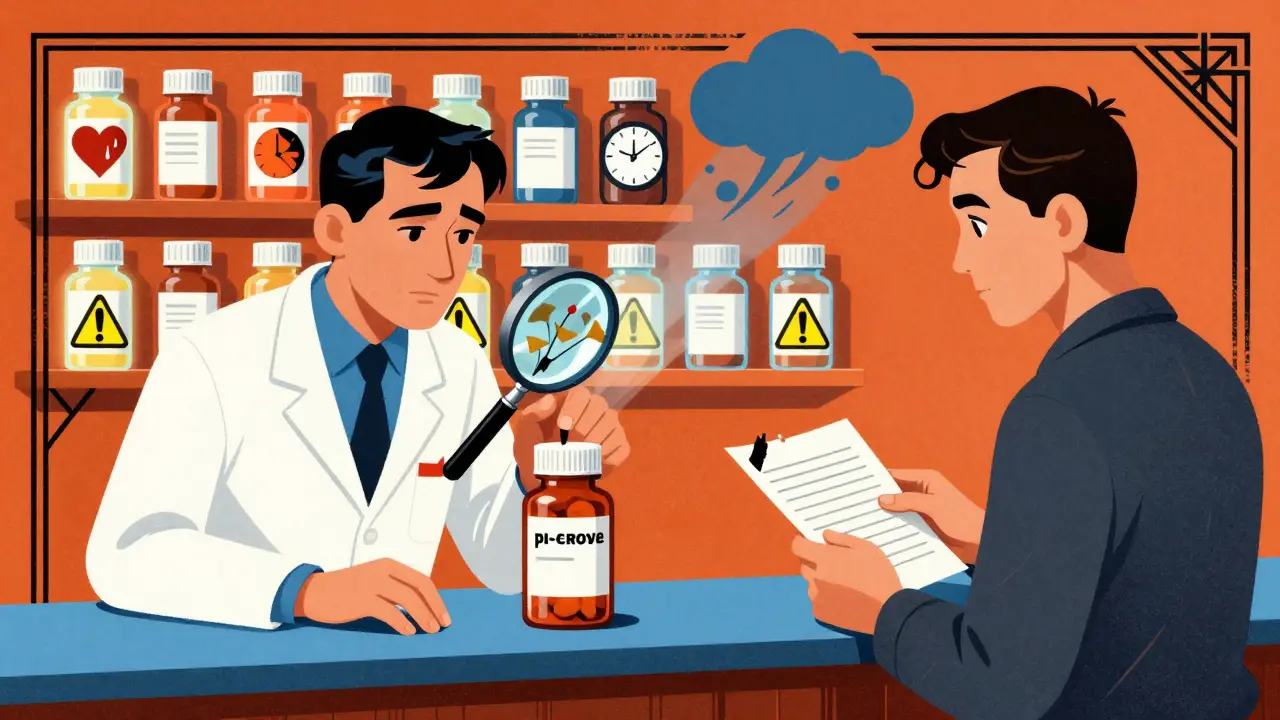
- Use the brown bag method. Every six months, put everything in a brown paper bag and take it to your pharmacist. Pharmacists are trained to spot interactions. Walgreens and CVS have been screening customers for this since 2021 - and they catch dangerous combinations in nearly 1 in 5 cases.
- Check the label. Look for warning statements. If it says "May interact with blood thinners" or "Avoid with antidepressants," don’t ignore it. Even if you’ve taken it for years, the risk doesn’t disappear.
- Search online with trusted tools. Use the FDA’s upcoming Dietary Supplement Ingredient Database (launching late 2024) or the free tool on MedlinePlus.gov. Type in your supplement and medication together. If it says "major interaction," stop taking them together.
- Ask your doctor - specifically about supplements. Most doctors don’t ask. So you have to bring it up. Say: "I’m taking [supplement name]. Is it safe with my [medication name]?" Don’t let them brush you off.
Who’s at the Highest Risk?
The group most likely to get hurt by supplement-drug interactions is adults over 50. Why? Because they’re the most likely to be on multiple prescriptions - for blood pressure, cholesterol, diabetes, arthritis - and also the most likely to take supplements for joint pain, memory, or energy. According to the National Health Interview Survey, 78% of people over 50 take both. But only 32% talk to their doctor about their supplements. Women on birth control are another high-risk group. St. John’s wort is a silent saboteur - it can make birth control fail without you ever knowing. No bleeding, no warning. Just a surprise pregnancy. People with chronic conditions - heart disease, cancer, HIV, organ transplants - are especially vulnerable. Their medications have narrow therapeutic windows. That means even a tiny change in blood levels can be deadly. A 10% drop in cyclosporine levels? Rejection risk. A 20% rise in warfarin? Internal bleeding.What to Do If You’ve Already Mixed Them
If you’ve been taking a supplement with your medication and you’re worried, don’t panic - but don’t wait either.- Stop the supplement immediately if you’re taking St. John’s wort, ginkgo, or high-dose vitamin E with blood thinners or antidepressants.
- Call your pharmacist. They can tell you how long the supplement stays in your system and whether you need to monitor for symptoms.
- Watch for warning signs: Unexplained bruising, nosebleeds, dark stools, dizziness, rapid heartbeat, confusion, or extreme fatigue. These could mean your medication levels are off.
- Don’t restart without checking again. Even if you felt fine before, your body changes over time. What was safe last year might not be safe now.

How to Talk to Your Doctor Without Being Dismissed
Many patients feel awkward bringing up supplements. They worry their doctor will judge them or say, "You don’t need those." But here’s the truth: your doctor needs to know. Try this script: "I’ve been taking [supplement] for [reason]. I know it’s not a prescription, but I want to make sure it’s not messing with my [medication]. Can we check it together?" If they brush you off, say: "I read that the American Medical Association now requires doctors to ask about supplements during medication reviews. I’d appreciate it if we could document this so I stay safe." The AMA adopted that policy in June 2023. You’re not being pushy - you’re using updated standards.What’s Changing in 2025?
The landscape is shifting. In January 2024, the National Institutes of Health released new clinical guidelines requiring doctors to screen for supplement use in every patient on chronic medication. The FDA is rolling out a mobile app that scans supplement labels and instantly flags dangerous interactions. By the end of 2025, most major electronic health records - like Epic and Cerner - will auto-alert doctors if a patient’s supplement list conflicts with their prescriptions. But none of that helps you if you’re not involved. The most effective tool you have right now is your own awareness.Bottom Line: Safety Is Your Responsibility
Supplements aren’t the enemy. But treating them like harmless candy is dangerous. The truth is simple: if you take medication, you need to treat every supplement like a drug. That means knowing what you’re taking, why you’re taking it, and how it might interact with everything else. Start today: Grab your brown bag. Make your list. Talk to your pharmacist. Ask your doctor. Don’t wait for a hospital visit to learn the hard way.Can I take vitamin D with my blood pressure medication?
Yes, vitamin D is generally safe with most blood pressure medications, including ACE inhibitors, beta-blockers, and diuretics. There’s no strong evidence of harmful interactions. However, if you’re taking calcium supplements along with vitamin D, be careful - too much calcium can raise blood pressure in some people. Always check your total calcium intake from food, supplements, and antacids. Stick to the recommended daily dose of 600-800 IU unless your doctor says otherwise.
Is it safe to take turmeric with aspirin?
Not recommended. Turmeric contains curcumin, which has natural blood-thinning properties. When combined with aspirin - which also thins the blood - your risk of bleeding increases significantly. This includes nosebleeds, bruising, and even gastrointestinal bleeding. If you’re taking aspirin daily for heart health, avoid high-dose turmeric supplements. A small amount in food is usually fine, but supplements are concentrated enough to pose a real risk.
Can St. John’s wort make birth control fail?
Yes. St. John’s wort speeds up the breakdown of estrogen and progestin - the hormones in most birth control pills, patches, and rings. Studies show it can reduce hormone levels by up to 40%, making birth control much less effective. Even if you’re on the pill perfectly, St. John’s wort can cause unexpected ovulation. If you’re using hormonal birth control, avoid St. John’s wort completely. There’s no safe dose when combined.
Do I need to stop supplements before surgery?
Yes, most surgeons require you to stop certain supplements at least 7-10 days before surgery. This includes garlic, ginkgo, fish oil, vitamin E, and ginger - all of which can increase bleeding during and after the procedure. Even herbal teas like green tea or chamomile can interfere with anesthesia. Always tell your surgeon about every supplement you take, even if you think it’s harmless. A 2023 study found that 61% of patients who didn’t disclose their supplement use had unexpected bleeding complications.
Are supplements labeled as "pharmacist approved" safe?
Not necessarily. There’s no official certification called "pharmacist approved" in the U.S. Some stores use the phrase as marketing. Only supplements with third-party testing seals - like USP, NSF, or ConsumerLab - have been independently verified for quality and purity. Even then, "pure" doesn’t mean "safe with your meds." Always check interactions separately. A supplement can be perfectly made and still dangerously interact with your prescription.
Can I take melatonin with my antidepressant?
Melatonin is generally safe with most antidepressants, including SSRIs like sertraline or fluoxetine. But if you’re taking MAOIs (a less common type of antidepressant), combining them with melatonin could increase drowsiness or dizziness. The bigger risk is with St. John’s wort - which some people take for sleep - not melatonin itself. If you’re taking melatonin, stick to low doses (1-3 mg) and avoid combining it with other sleep aids or sedatives. Always mention it to your doctor, especially if you’re on psychiatric meds.
jenny guachamboza
December 22, 2025 AT 22:23Kiranjit Kaur
December 23, 2025 AT 13:30Sai Keerthan Reddy Proddatoori
December 23, 2025 AT 16:48Cara Hritz
December 24, 2025 AT 09:44Jeremy Hendriks
December 26, 2025 AT 04:50Candy Cotton
December 26, 2025 AT 15:25Aliyu Sani
December 28, 2025 AT 08:36Gabriella da Silva Mendes
December 29, 2025 AT 14:22Jim Brown
December 30, 2025 AT 13:53