
 Dec, 3 2025
Every year, tens of thousands of children accidentally swallow medications meant for adults. Seniors mix up pills because bottles look too similar. Insulin loses potency because it was left on the counter. And expired painkillers sit in drawers for years, becoming a silent hazard. This isn’t just about clutter-it’s about safety, effectiveness, and preventing avoidable emergencies.
If you’ve ever opened a medicine cabinet and found a jumble of bottles with faded labels, half-used creams, and pills past their date, you’re not alone. But here’s the truth: medication storage isn’t something you wing. It needs a system. And the best way to build that system is with a simple, practical checklist.
Where to Store Medications (And Where Not To)
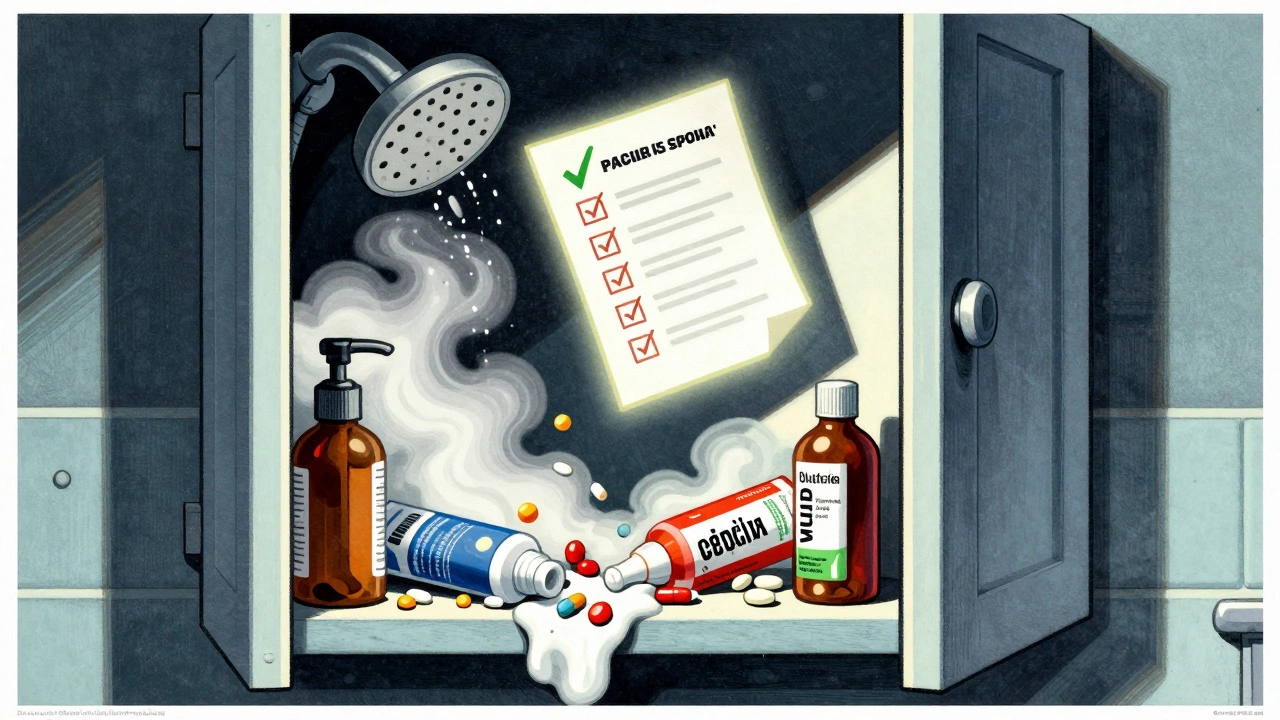
The bathroom medicine cabinet is the most common mistake. It’s convenient, but it’s also hot, humid, and full of temperature swings. Every time you take a shower, the humidity spikes to 80-90%, and the temperature can jump 10-15 degrees. That’s enough to break down pills, liquids, and inhalers faster than you think. Studies show medications stored in bathrooms degrade 30-50% quicker than those kept in stable environments.
Instead, pick a cool, dry, and consistent spot. A linen closet, a high shelf in a bedroom dresser, or a locked cabinet in a hallway works best. These areas stay within 2-3 degrees of temperature change daily and keep humidity around 40-50%. Avoid storing meds near windows-sunlight can destroy potency. Light-sensitive drugs like certain antibiotics or thyroid meds can lose up to 40% of their strength in just 30 days if exposed to direct light.
Keep Medications Organized by Person and Type
One of the biggest causes of medication errors is confusion. Grandma takes warfarin. Grandpa takes insulin. Your teen takes ADHD meds. All in the same cabinet? That’s a recipe for disaster.
Use your checklist to enforce separation:
- Store each person’s medications on separate shelves or at least on opposite sides of the same shelf.
- Group by type: oral pills in one bin, topical creams in another, inhalers in a sealed plastic box, injectables in a locked container.
- Keep high-alert drugs like opioids, insulin, and blood thinners in their own locked box with a clear "High Alert" label.
A 2022 study in the Journal of Patient Safety found this simple step reduced accidental wrong-medication use by 63%. It’s not just about safety-it’s about clarity. When you know exactly where each person’s meds are, you reduce stress and risk.
Lock It Down-Especially With Kids or Teens
Standard medicine cabinets? They’re useless against curious kids. Consumer Product Safety Commission tests show they stop only 12% of children under 6 from getting into meds. Even if you think your child can’t reach, they can. A 2022 Pediatrics study found 70% of childhood poisonings happen when meds are left unattended for less than 10 minutes.
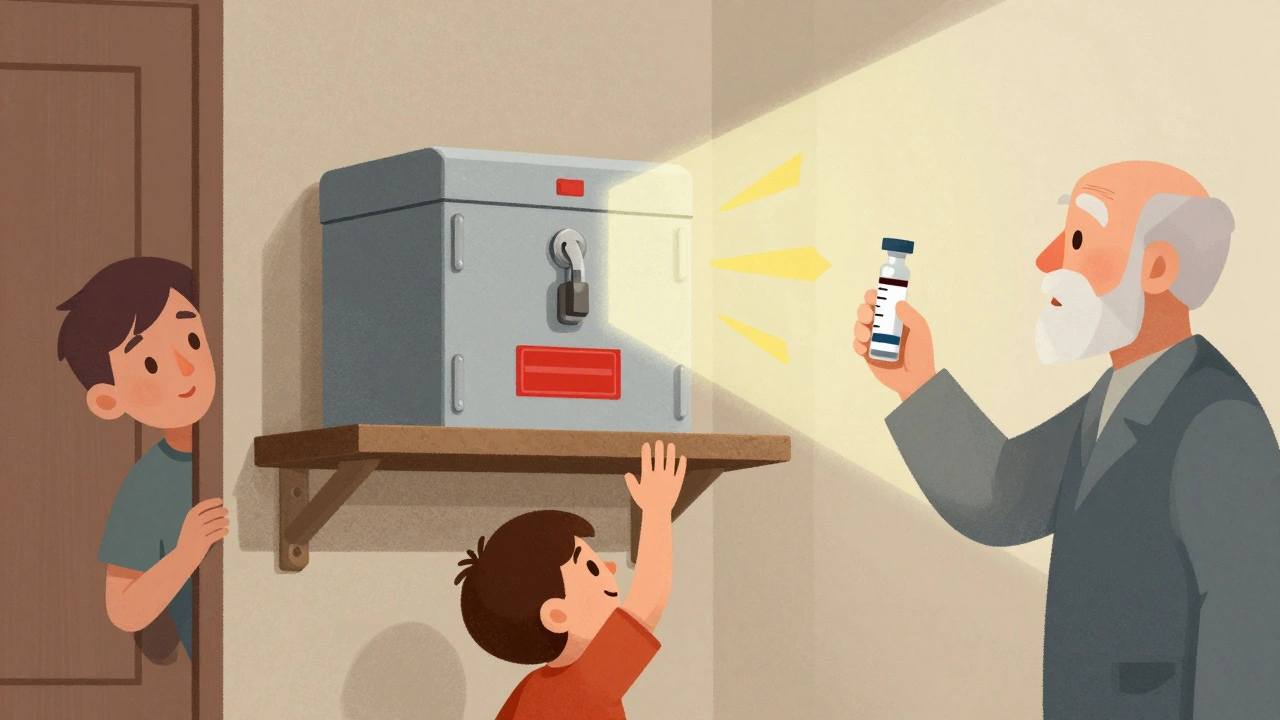
Use a dedicated medicine lockbox. These cost under $30 and come with combination or key locks. Combination locks are 34% more reliable than key locks because no one forgets the code. Store the lockbox at least 4 feet off the ground, behind three closed doors if possible. The goal? Make access hard enough that a child gives up before they get in.
And don’t forget teens. About 30% of teens who misuse prescription drugs get them from home cabinets. A locked box isn’t just for toddlers-it’s for preventing addiction before it starts.
Track Expiration Dates Like a Pro
Most people don’t know that 68% of households have at least one expired medication. And here’s the kicker: even if a pill hasn’t turned bad, its strength drops over time. The FDA found that 82% of meds retain 90% potency one year past expiration-if stored properly. But after three years? That drops to 42%.
Your checklist should include a monthly visual check. Look for:
- Color changes (pills turning yellow or brown)
- Texture changes (crumbly tablets, cloudy liquids)
- Unusual smells (a strong vinegar odor from aspirin means it’s broken down)
If you see any of these, toss it. Don’t risk it.
Also, mark every multi-dose container with the date you opened it. Insulin vials, eye drops, and injectables lose potency fast after opening. Some last only 14 days. Others last 56. Check the label. Write the date on the bottle with a permanent marker. This simple step cuts waste and improves safety.
Refrigerated Medications Need Special Care
Not all meds go in the fridge-but if yours do, treat it like a medical device. The ideal range is 36-46°F. Too cold? Freezing can destroy biologics like insulin. Too warm? They break down.
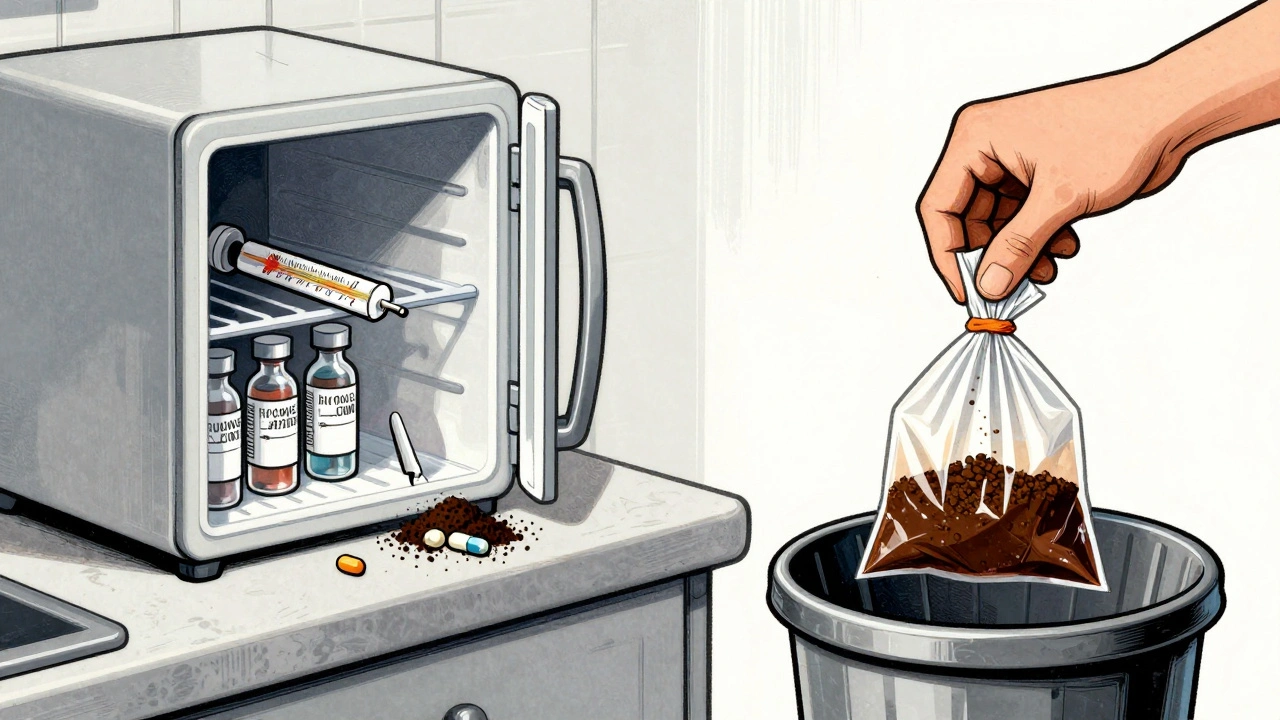
Use a small fridge thermometer and check it daily. Log the temperature every morning. If it dips below 36°F or rises above 46°F, move the meds immediately.
Keep refrigerated meds away from food. A 2020 Canadian study showed cross-contamination from food or raw meat caused 85% fewer incidents when meds were stored in a separate, labeled container.
Insulin is special: unopened vials go in the fridge. Once opened, they can stay at room temperature for 14 to 56 days, depending on the type. Mark the opening date. Write the discard date on the vial. And never leave insulin in a hot car or on a windowsill.
Dispose of Expired or Unwanted Meds the Right Way
Flushing meds down the toilet? Don’t. Throwing them in the trash? Also risky. Both methods let pharmaceuticals leak into water systems. The USGS found pharmaceutical residues in 80% of U.S. waterways.
Use a drug take-back program. The DEA runs National Prescription Drug Take Back Days twice a year-in April and October. In 2022 alone, they collected over a million pounds of unused meds. Many pharmacies and police stations also offer year-round drop-off bins.
If no take-back is available, mix meds with something unappetizing: coffee grounds, cat litter, or dirt. Use a 1:3 ratio (one part meds to three parts junk). Seal it in a plastic bag, then toss it in the trash. This cuts accidental ingestion by 76%.
Never leave expired meds in open containers. They’re a hazard until they’re gone.
Build Your Checklist-And Stick to It
Here’s your starter checklist. Print it. Tape it to the inside of your medicine cabinet door. Do this every six months-right after daylight saving time changes. That’s when 47% of people remember to do home safety checks, according to Johns Hopkins.
- ☐ All medications stored in a cool, dry, dark place (not bathroom)
- ☐ Each household member’s meds on separate shelves or containers
- ☐ High-alert meds (insulin, warfarin, opioids) in locked box with "High Alert" label
- ☐ All meds in original containers with pharmacy labels intact
- ☐ Refrigerated meds stored at 36-46°F with daily temp log
- ☐ Light-sensitive meds in amber or opaque containers
- ☐ All meds checked monthly for color, texture, or odor changes
- ☐ Multi-dose items marked with "Opened On" date
- ☐ All meds locked away (combination lockbox recommended)
- ☐ Expired or unwanted meds disposed of via take-back program or mixed with coffee grounds
- ☐ Inhalers stored in sealed plastic bags to prevent accidental activation
- ☐ Topical products (creams, lotions, repellents) stored separately from oral meds
Use this checklist every six months. Add new meds. Remove old ones. Update dates. Make it a habit.
Why This Matters More Than You Think
Over 59,000 children under 5 had medication exposure incidents in 2021. 87% of those were due to improper storage. Seniors make 45% of accidental poisonings because they grab the wrong bottle. And 70% of households still keep expired meds-some for years.
A 2023 Consumer Reports survey of 2,500 homes found that households using a formal storage checklist had 89% fewer medication-related incidents. That’s not just a number. That’s fewer ER visits. Fewer hospital stays. Fewer lives disrupted.
This isn’t about being perfect. It’s about being prepared. A checklist doesn’t take much time-but it saves a lot of pain.
Can I store all my medications in one place?
No. Storing all medications together increases the risk of mix-ups, especially if multiple people live in the home. Each person’s meds should be separated by shelf or container. High-alert drugs like insulin, opioids, and blood thinners need their own locked box. Even over-the-counter pills like ibuprofen or allergy meds should be kept apart to avoid accidental double-dosing or wrong use.
Is it safe to keep medications in the kitchen?
Only if the kitchen is cool and dry. Avoid storing meds near the stove, oven, or sink. Heat and steam can damage pills and liquids. A high cabinet away from cooking areas is fine. But a cabinet above the fridge? Too warm. A drawer under the sink? Too humid. Stick to the same rules: cool, dry, dark, and out of reach.
What if I can’t find a drug take-back program near me?
If there’s no local drop-off site, mix expired meds with an unappealing substance like used coffee grounds, cat litter, or dirt. Use a 1:3 ratio (one part meds, three parts junk). Seal it in a plastic bag and put it in your regular trash. Never crush pills or pour liquids down the drain. This method reduces accidental ingestion by 76% and keeps pharmaceuticals out of water systems.
Do I need to keep medications in their original bottles?
Yes. Original bottles have the pharmacy label with your name, the drug name, dosage, expiration date, and prescribing doctor. Removing labels increases the risk of confusion and errors. Even if you use a pill organizer, keep the original bottle as a reference. Some states, like North Carolina, legally require this under Kaitlyn’s Law.
How often should I check my medication storage?
Do a full inventory every six months-ideally in April and October, around daylight saving time changes. Check expiration dates, look for physical changes in meds, and update your checklist. Also, check refrigerator temperatures daily if you store meds there. Monthly visual checks for color or smell changes help catch problems early.
Can I use a pill organizer for long-term storage?
Pill organizers are great for daily use but not for long-term storage. They don’t protect meds from light, moisture, or temperature changes. Keep your main supply in original bottles. Only fill the organizer for the week ahead. Never store meds in pill organizers for more than a few days, especially if they’re sensitive to humidity or heat.
Chase Brittingham
December 5, 2025 AT 01:46Been using this checklist for six months now. My grandma’s insulin is in a locked box on the top shelf of her bedroom dresser, all labels are marked with opening dates, and we do the biannual check right after we change the clocks. No more panic attacks when someone grabs the wrong bottle. Simple, but life-changing.
Scott van Haastrecht
December 5, 2025 AT 22:14This is the kind of content that should be mandatory in high school health class. The fact that people still store meds in the bathroom is criminal. Humidity destroys potency, and yet we treat our prescriptions like they’re towels. Wake up.
Bill Wolfe
December 5, 2025 AT 23:11Let’s be honest - most people don’t care about medication safety until someone dies. And even then, they’ll blame the pharmacy or the doctor. The real issue? Societal negligence. You don’t need a checklist - you need a moral awakening. I’ve seen grandkids die from unsecured opioids while parents were scrolling TikTok. This isn’t organization - it’s basic human decency. And if you’re still using a bathroom cabinet? You’re part of the problem.
Ollie Newland
December 6, 2025 AT 18:19From a clinical perspective, the 30-50% degradation rate in humid environments is well-documented in pharmacokinetic studies. The real win here is the emphasis on light-sensitive agents - UV exposure degrades tetracyclines and levothyroxine at alarming rates. Also, the 1:3 mixing ratio for disposal is CDC-recommended. Solid framework.
Rebecca Braatz
December 8, 2025 AT 13:33My mom used to keep all her meds in a shoebox under the sink. I bought her a lockbox for Christmas last year. She cried. Not because it was expensive - because for the first time in 15 years, she felt safe. This isn’t just about pills. It’s about dignity.
jagdish kumar
December 10, 2025 AT 09:27Storage is a metaphor. We hoard things we fear losing. Medications are just symbols.
Michael Feldstein
December 12, 2025 AT 01:17Love the tip about marking opened insulin vials. I started doing that after my buddy had a bad reaction because he used a vial that was open for 90 days. Now I write the date with a Sharpie and put it in a little ziplock with the name. Took me 20 seconds. Saved his life.
zac grant
December 12, 2025 AT 17:33Just added the fridge temp log to my routine. Bought a $12 digital thermometer from Amazon. Check it every morning with coffee. No more guessing. Also, keep meds away from the door - that’s the warmest spot. Learned that the hard way.
Benjamin Sedler
December 13, 2025 AT 09:03Wait - so you’re telling me I can’t just dump my expired Adderall in the toilet because ‘the environment’? What about my right to dispose of my own pills? This feels like nanny-state overreach. Also, I store mine in the glovebox. It’s cool, dry, and I can access it while driving. Win-win.
Carolyn Ford
December 15, 2025 AT 05:22Where’s the section on what to do if your spouse is hoarding 37 different kinds of expired painkillers? And why is no one talking about the fact that 80% of these checklists are ignored because people are lazy? You can’t fix stupid. But you can lock the box. And if they break in? Let them deal with the consequences.
michael booth
December 15, 2025 AT 13:35Thank you for this comprehensive guide. Implementation of structured medication storage protocols significantly reduces adverse drug events. I have distributed this checklist to my extended family and implemented monthly audits. Consistency is paramount. Please continue sharing evidence-based practices.