
 Feb, 4 2026
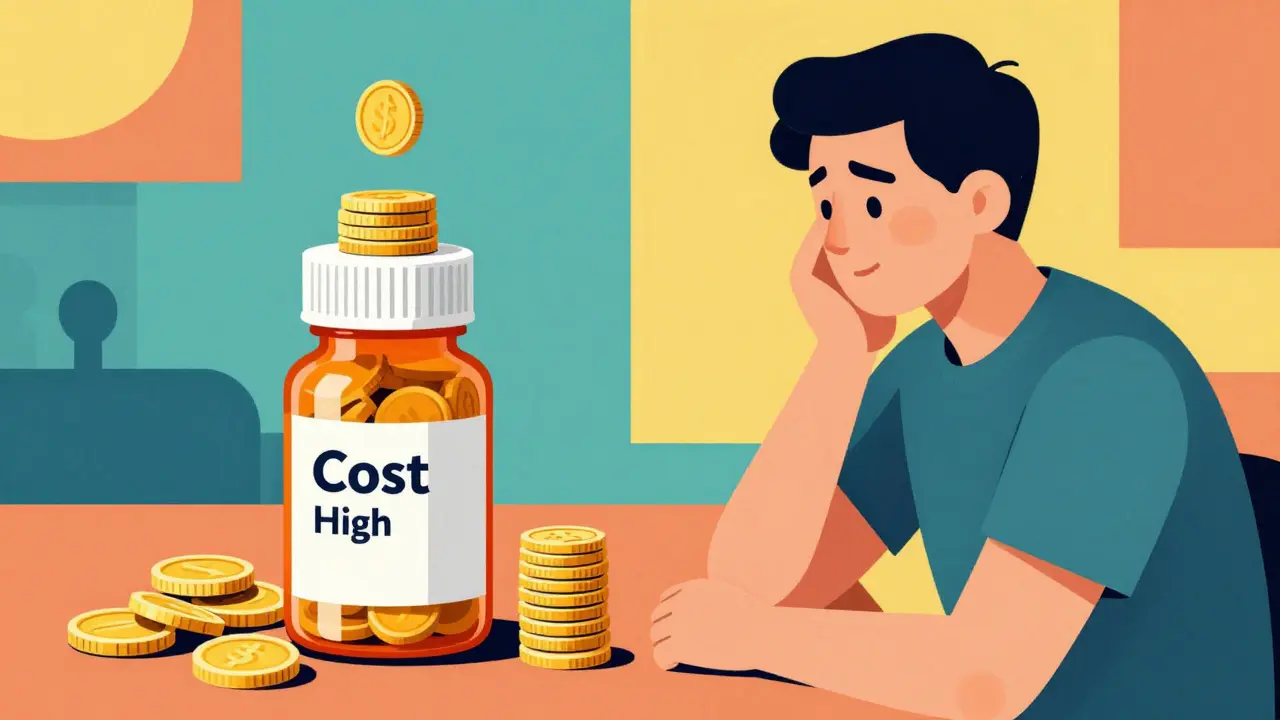
Prescription drug costs can feel overwhelming, especially when you're paying hundreds for a single month's supply. But what if you could save hundreds-or even thousands-of dollars each year without sacrificing quality? The answer often lies in generic drugs. These medications contain the same active ingredients as their brand-name counterparts but are typically much cheaper. Yet many patients never even ask their doctors about switching to generics.
What Exactly Are Generic Drugs?
generic drugs, are FDA-approved medications with identical active ingredients, dosage, strength, and effectiveness as brand-name drugs, but sold at significantly lower prices after patents expire. The Hatch-Waxman Act of 1984 created the modern framework for generic drug approval. This law balances innovation incentives with affordable access by allowing generic manufacturers to file abbreviated applications for approval. For example, the blood pressure medication lisinopril has a generic version that costs just $4 for a 30-day supply versus $250 for the brand-name version. When multiple generic manufacturers enter the market (which happens in 85% of cases within 24 months), prices drop 50% to 95% below brand-name costs, saving patients thousands annually.
Why Doctors Might Not Mention Generics
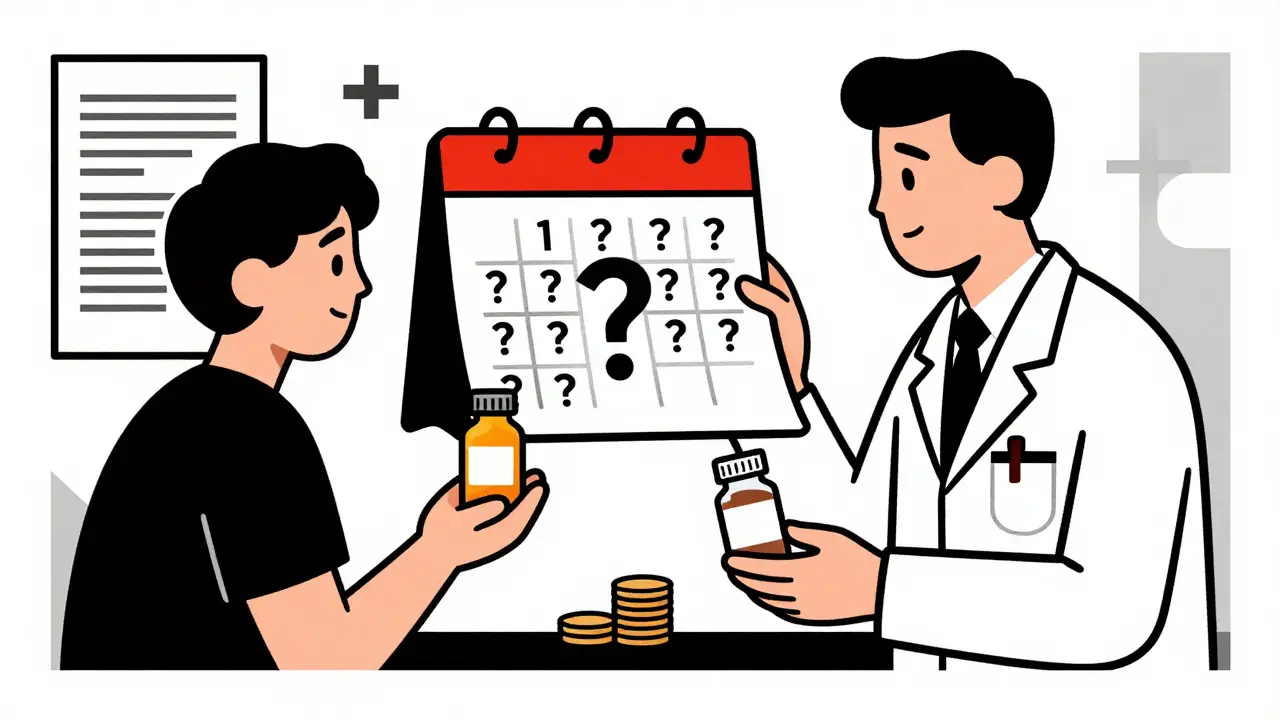
Many patients assume doctors automatically prescribe generics, but that's rarely true. Doctors often don't know when new generics become available or which ones your insurance covers. A 2023 Cedars-Sinai Medical Center study found most physicians can't reliably track generic availability. Additionally, some doctors default to brand-name drugs out of habit or lack of awareness. The FDA confirms 95% of generic drugs perform identically to brand-name drugs in real-world use. But if you don't bring up the topic, your doctor won't know you're interested in cost-saving options.
How to Prepare for Your Doctor Visit
Before your appointment, take these steps:
- Check if your medication has a generic version using the FDA Orange Book database
- Ask your pharmacist about insurance coverage for generics
- Bring specific questions to your appointment:
- "Is there a generic equivalent available for this medication?"
- "Would it be appropriate for me to use the generic version?"
- "Are there specific reasons I should stay on the brand-name drug?"
- "If a generic isn't available now, when might one become available?"
Framing the conversation around shared goals-like "I want the most effective drug at the best price"-helps doctors understand your priorities. A 2022 AARP survey found 68% of seniors who discussed generics with their doctors successfully switched to lower-cost options, saving an average of $427 annually.
When Generics Might Not Be the Best Choice
While most medications have equally effective generic versions, some drugs require special consideration. Medications with a "narrow therapeutic index" (NTI) are those where small changes in blood concentration can cause serious effects. Examples include blood thinners like warfarin, antiseizure drugs like phenytoin, and thyroid medications like levothyroxine. For these drugs, the FDA recommends consistency in brand or generic manufacturer to avoid fluctuations.
However, only about 5% of commonly prescribed medications fall into this category. If your doctor suggests staying on brand, ask specifically whether your medication is in this group. A 2022 Johns Hopkins Medicine case study showed that switching a patient from brand-name levothyroxine to a different generic manufacturer caused thyroid level fluctuations, highlighting why consistency matters for NTI drugs.
Insurance and Pharmacy Tips
Your insurance plan plays a big role in whether generics are covered. Medicare Part D plans have an 89% generic substitution rate, while commercial insurance plans average 72% (KFF analysis, March 2023). This means you might save more with generics if you're on Medicare. Always ask your pharmacist: "Is there a generic version covered by my insurance?" Pharmacists can often suggest alternatives if the prescription doesn't specify "Do Not Substitute."
| Medication | Brand Name | Generic Name | 30-Day Cost (Brand) | 30-Day Cost (Generic) | Savings |
|---|---|---|---|---|---|
| Blood Pressure | Prinivil | Lisinopril | $250 | $4 | 98% |
| Heartburn | Nexium | Omeprazole | $284 | $4 | 98% |
| Cholesterol | Lescol | Fluvastatin | $300 | $15 | 95% |
Debunking Common Myths About Generics
Many patients believe generics aren't as effective or safe. But data tells a different story. According to Drugs.com, which aggregates 450,000+ patient reviews, 78% of users who switched from brand to generic for common medications like sertraline (antidepressant) or lisinopril reported identical effectiveness. Minor differences in side effects (12% of cases) are usually due to inactive ingredients, not the active drug itself.
Dr. Preeti N. Malani, Chief Health Officer at the University of Michigan, stated in the Journal of the American Medical Association (October 2022): "The evidence is overwhelming that generic medications are therapeutically equivalent to their brand-name counterparts for most drugs." The FDA's rigorous bioequivalence testing ensures generics deliver the same clinical benefit as brand-name drugs.
Real-World Savings Examples
A 2023 case documented in the American Journal of Managed Care showed a patient with rheumatoid arthritis saved $1,820 monthly by switching from brand-name Humira ($6,300/month) to generic adalimumab ($4,480/month). Despite the lower cost, the patient's disease control remained identical as verified by lab tests. Similarly, a 2022 survey by AARP found that seniors who switched to generics saved an average of $427 per year.
Are generic drugs as safe as brand-name drugs?
Yes. The FDA requires generic drugs to have the same active ingredients, strength, dosage form, and route of administration as brand-name drugs. They must also meet the same quality and safety standards. The FDA inspects manufacturing facilities for both brand and generic drugs to ensure compliance. While inactive ingredients may differ (which can sometimes cause minor side effects), the active drug is identical and just as safe.
Can pharmacists substitute generics without my doctor's approval?
In most states, pharmacists can automatically substitute a generic version unless your doctor writes "Do Not Substitute" on the prescription. According to the Office of Personnel Management, 48 states permit this substitution. However, it's always best to discuss generics with your doctor before the prescription is written to ensure it's the right choice for your condition.
Why don't doctors always suggest generics?
Doctors may not know when new generics become available or which ones your insurance covers. A 2023 study by Cedars-Sinai found most physicians can't track generic availability reliably. Additionally, some doctors may default to brand-name drugs out of habit or because they're unfamiliar with generic options. That's why it's important to bring up the topic yourself during appointments.
What if my insurance doesn't cover the generic?
This is rare, but possible. If your insurance plan doesn't cover the generic, ask your doctor to request a prior authorization or consider switching to a different generic manufacturer. Many insurance plans cover generics at a lower copay. If you're paying cash, generics are often significantly cheaper than brand-name drugs even without insurance coverage. For example, generic omeprazole costs $4 for a 30-day supply versus $284 for Nexium.
How do I know if my medication has a generic version?
Check the FDA's Orange Book database online or ask your pharmacist. For most common medications, generics are available within 24 months of the brand patent expiring. The FDA reports that 65% of medications with brand-name versions have generic alternatives available. If a generic isn't currently available, ask your doctor when one might become available based on patent expiration dates.
Lana Younis
February 5, 2026 AT 12:00Hey folks, gernics are a game changer. They're FDA approved and same as brand names. But people don't know about them. Like, I had a friend who paid $250 for lisinopril and switched to generic for $4. Saved so much. Check the FDA orange book. Always ask your doc. It's easy.
Samantha Beye
February 5, 2026 AT 20:12That's a great point. I've also switched to generics and saved hundreds. It's important to communicate with your doctor about cost concerns. They might not know unless you ask.
Andre Shaw
February 6, 2026 AT 23:02Generics are great, but let's be real-some people are too lazy to ask their doctors. The real issue is insurance companies pushing generics to save money, not patients. But hey, I'm not here to judge. Just saying. I've read studies showing that 95% of generics are as effective as brand names. The FDA has strict testing. However, the marketing behind brand names is why people think they're better. But really, it's all the same active ingredient. The only difference is the name and the price. So why are people so hesitant? It's probably because of those scary ads for brand names. But the truth is, generics save thousands. I've personally saved over $1000 a year by switching. So next time, ask your doctor about generics. It's not complicated. Just a simple question. You might be surprised by the answer.
Lisa Scott
February 8, 2026 AT 21:04You think it's just marketing? Nah, it's worse. The FDA is in cahoots with big pharma. Generics are often produced in China with substandard ingredients. I've heard stories of people getting sick from generics. Always check the source. The FDA doesn't inspect foreign factories properly. They just take the word of the companies. I know someone whose kid got sick from a generic. It's dangerous. You should always ask for brand name. It's safer. Trust me.
Arjun Paul
February 9, 2026 AT 20:59Stop spreading misinformation.
Rene Krikhaar
February 11, 2026 AT 10:57I've helped many patients switch to generics. It's really about communication. Just ask your doctor. They usually appreciate the conversation. No need to be confrontational. It's a simple question that can save you hundreds. Always check with your pharmacist too.
Katharine Meiler
February 12, 2026 AT 10:32Exactly. Using terms like 'narrow therapeutic index' helps doctors understand the context. But for most meds, generics are fine. Just need to be clear.
one hamzah
February 13, 2026 AT 08:09This is so important! 💡 Generics can save so much money. In India, we have access to generics which are super affordable. But even in US, it's a game changer. Always ask your doctor. 😊
Carol Woulfe
February 13, 2026 AT 15:20Your optimism is misplaced. The pharmaceutical industry is riddled with corruption. Even generics can be compromised. It's best to stick with brand names for safety.
Georgeana Chantie
February 14, 2026 AT 08:31America should produce all our meds domestically. Why trust foreign-made generics? 🇺🇸 The quality is questionable. Always choose American-made drugs.
Kieran Griffiths
February 15, 2026 AT 16:24Switching to generics is a smart move for most people. It's about being informed and proactive. Talk to your doctor and pharmacist-they're there to help.