
 Dec, 31 2025
Steroid Hyperglycemia Risk Calculator
Calculate Your Risk
Based on the latest clinical guidelines, assess your risk of developing steroid-induced hyperglycemia during treatment.
Your Risk Assessment
Recommended Actions
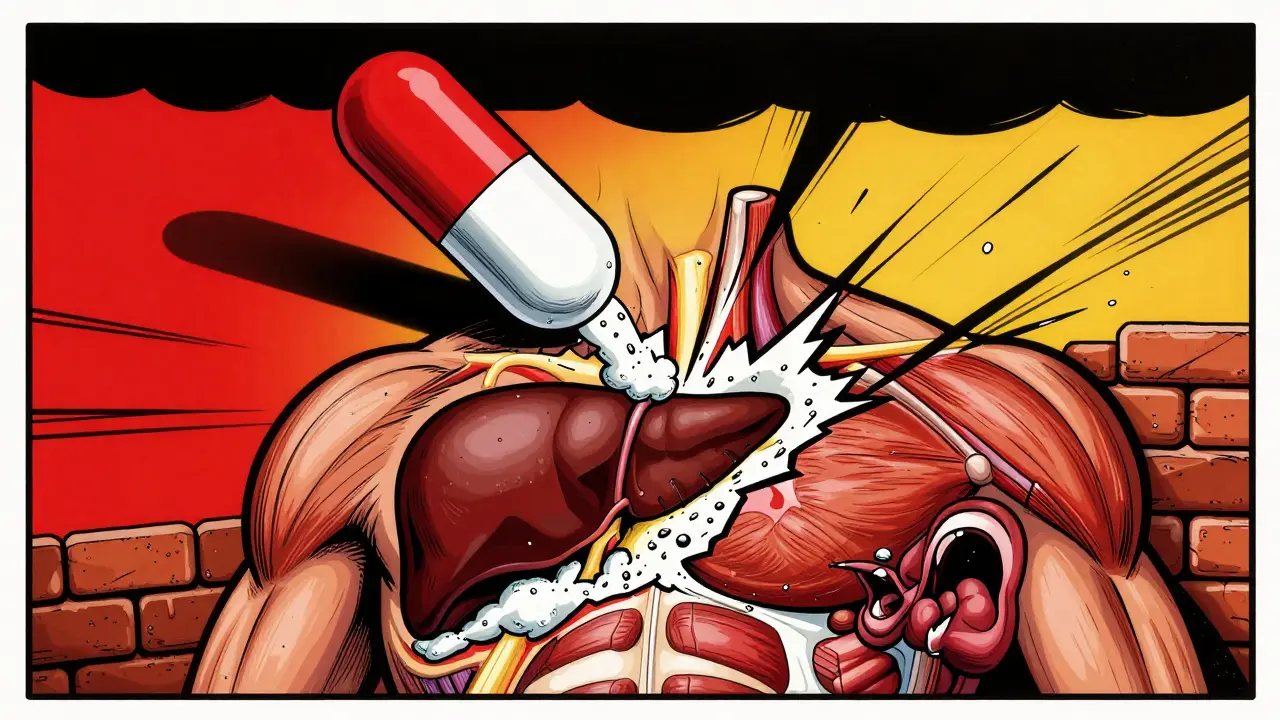
When you're prescribed corticosteroids like prednisone or dexamethasone, you're usually told about the risks: weight gain, mood swings, trouble sleeping. But one of the most dangerous side effects often gets overlooked-corticosteroid-induced hyperglycemia. It’s not just a spike in blood sugar. It’s a metabolic earthquake that can turn a healthy person diabetic overnight, even if they’ve never had a glucose problem before.
Why Steroids Crash Your Blood Sugar Balance
Corticosteroids don’t just reduce inflammation-they hijack your body’s entire glucose system. They hit three major targets at once: your liver, muscles, and pancreas.
In your liver, steroids crank up glucose production by nearly 38%. That means your body starts making more sugar even when you haven’t eaten. In your muscles, they block insulin from doing its job-reducing glucose uptake by over 40%. Your muscles, which normally soak up most of the sugar after meals, suddenly become resistant. Meanwhile, your pancreas struggles to release insulin. Studies show that just one high dose of prednisolone can cut insulin output by more than 20% within two hours.
This isn’t type 2 diabetes. It’s a different beast. In type 2, insulin resistance builds slowly over years. With steroids, it hits fast-sometimes within hours of your first dose. And it doesn’t follow the usual pattern. You’ll often see high blood sugar in the morning, right after your steroid dose, and then levels drop back toward normal by evening. That’s why checking your sugar only once a day can miss the danger.
Who’s at Highest Risk?
Not everyone on steroids develops high blood sugar. But some people are far more vulnerable.
- People with a BMI over 30 are more than three times as likely to develop steroid-induced hyperglycemia.
- If you already have prediabetes or impaired glucose tolerance, your risk jumps nearly fivefold.
- Doses above 20 mg of prednisone (or equivalent) daily are the red zone.
- People on long-term therapy (more than 7 days) or those getting frequent pulses (like in autoimmune flare-ups) are at steady risk.
Even people who’ve never had a glucose issue can crash. In fact, 19% to 32% of patients without prior diabetes develop hyperglycemia on high-dose steroids. And in hospitals, that number jumps to over 50%.
How to Monitor Properly
Waiting for symptoms-excessive thirst, frequent urination, blurry vision-is too late. By then, your body is already in damage mode.
The standard advice? Start checking your blood sugar within 24 hours of starting steroids. But that’s the bare minimum. For high-risk patients, you need more.
- Test fasting glucose every morning before breakfast.
- Check 2 hours after each major meal-breakfast, lunch, dinner.
- On days you take steroids, test at least four times a day.
- Don’t skip testing on days you don’t take steroids. Insulin resistance can last 16 to 24 hours after the last dose.
Here’s what most hospitals miss: fingerstick tests alone aren’t enough. Continuous glucose monitors (CGMs) catch 68% more hyperglycemic episodes than traditional checks-especially nighttime spikes that fly under the radar. And during steroid tapering, CGMs reveal dangerous lows. About 23% of patients hit hypoglycemia when doctors start reducing doses, because insulin levels haven’t caught up yet.

What to Do When Blood Sugar Spikes
Sliding scale insulin-giving insulin based on a chart after you check your sugar-is outdated and dangerous for steroid-induced hyperglycemia. It treats the symptom, not the pattern.
The right approach? Basal-bolus insulin.
- A long-acting insulin (like glargine or detemir) covers the constant background insulin resistance.
- Fast-acting insulin (like lispro or aspart) before meals handles the mealtime spikes.
For patients with new-onset steroid diabetes, this method works 35% better than sliding scale. It’s not about more insulin-it’s about timing it right. If you take your steroid at 8 a.m., you need your biggest insulin dose before breakfast. By evening, you’ll need much less, or sometimes none at all.
If you already have type 2 diabetes, you’ll likely need to increase your insulin by 20% to 50%. Oral meds like metformin help, but they’re rarely enough alone. Insulin is often unavoidable.
When Steroids End, the Real Challenge Begins
Many patients think once they stop steroids, their blood sugar goes back to normal. Sometimes it does. But not always.
Studies show that 30% to 40% of people who develop steroid-induced diabetes remain diabetic after stopping treatment. Why? Because steroids can permanently damage beta cells in some people, especially if high glucose levels lasted weeks or months.
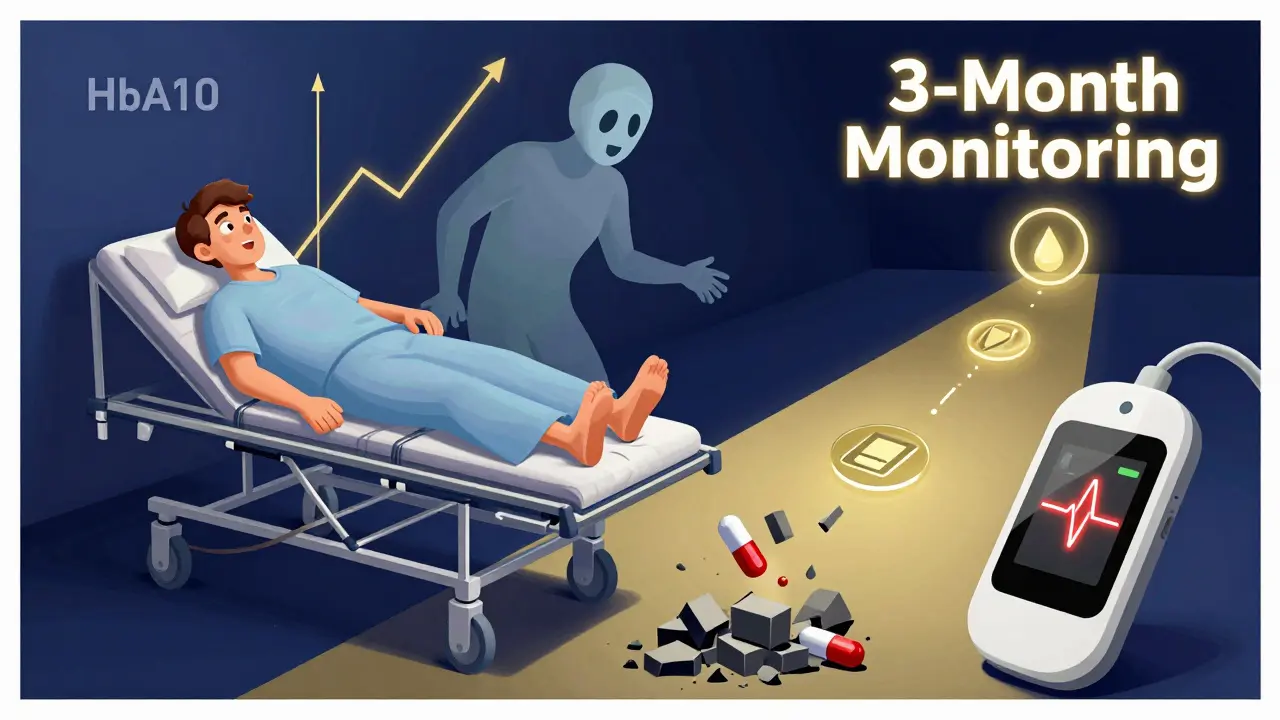
That’s why you can’t just stop monitoring. Keep checking glucose for at least 3 months after your last dose. If your fasting sugar stays above 126 mg/dL or your HbA1c is over 6.5%, you likely have new-onset type 2 diabetes.
And don’t be fooled by the “rollercoaster” effect. As steroid doses drop, insulin resistance fades-but your body may still be overproducing insulin. That’s why so many patients get sudden, scary lows during tapering. Keep your glucose monitor handy. Carry fast-acting carbs. Talk to your doctor about adjusting insulin before each reduction.
What Hospitals Get Wrong
A 2023 study found that only 58% of non-critical care hospital units had a formal protocol for steroid-induced hyperglycemia. That means over 40% of patients are being monitored haphazardly.
Common mistakes:
- Checking glucose only once a day.
- Using sliding scale insulin instead of basal-bolus.
- Not testing on non-steroid days.
- Missing nighttime highs and lows.
- Not educating patients about the risk before discharge.
Places that do it right-like Mayo Clinic-have a simple rule: if you’re getting more than 20 mg of prednisone daily, test glucose within 4 hours of the first dose. If two readings are above 180 mg/dL, start insulin. No waiting. No debating. That’s cut their complications by over half.
The Bigger Picture: Why This Matters
Every year, over 2 million hospital stays in the U.S. involve corticosteroids. That’s 2 million chances for preventable harm. Poorly managed hyperglycemia leads to longer hospital stays-by nearly two days on average. That’s over $2,300 extra per person in costs.
And it’s not just hospitals. Rheumatologists, oncologists, and pulmonologists are prescribing steroids more than ever. Patients with lupus, asthma, or cancer are at constant risk.
Regulators are catching on. Since 2021, the FDA requires all systemic steroid labels to warn about hyperglycemia. But warnings don’t save lives. Protocols do.
What’s Next?
Researchers are working on smarter tools. A trial called GLUCO-STER is testing a machine learning model that predicts your personal risk based on your BMI, genetics, steroid dose, and baseline HbA1c. Early results show 84% accuracy.
Long-term, scientists are designing “steroid-sparing” drugs-new anti-inflammatories that work like steroids but don’t wreck your metabolism. Three are already in Phase II trials, cutting hyperglycemia risk by over 60% compared to dexamethasone.
For now, the best defense is awareness, monitoring, and the right insulin plan. Don’t let steroids sneak up on your blood sugar. Stay ahead of it.
Can corticosteroids cause diabetes in someone who’s never had high blood sugar before?
Yes. Between 19% and 32% of people without prior diabetes develop high blood sugar when taking high-dose corticosteroids. It’s called steroid-induced diabetes mellitus (SIDM). It’s not a temporary glitch-it’s a real metabolic disruption caused by steroids interfering with insulin production and sensitivity. Even healthy people can develop it.
How often should I check my blood sugar if I’m on steroids?
If you’re on more than 20 mg of prednisone daily or have risk factors like obesity or prediabetes, check your glucose four times a day: fasting, before lunch, before dinner, and 2 hours after each meal. Don’t skip testing on days you don’t take steroids-insulin resistance can last 16 to 24 hours. Continuous glucose monitors (CGMs) are far more accurate than fingersticks and catch dangerous spikes and drops you’d otherwise miss.
Is sliding scale insulin enough for steroid-induced hyperglycemia?
No. Sliding scale insulin gives you a dose only after you see a high reading. That’s reactive, not proactive. Steroid-induced hyperglycemia follows a predictable pattern: high in the morning, lower later. Sliding scale misses this rhythm. Basal-bolus insulin-long-acting for background resistance, fast-acting before meals-is 35% more effective at keeping glucose in range. It’s the standard of care for this condition.
Will my blood sugar go back to normal after I stop steroids?
It might-but not always. About 30% to 40% of people who develop steroid-induced diabetes stay diabetic after stopping steroids. That’s because prolonged high glucose can permanently damage insulin-producing cells. Keep monitoring your blood sugar for at least 3 months after your last dose. If your fasting sugar stays above 126 mg/dL or your HbA1c is over 6.5%, you likely have type 2 diabetes now.
Why do I get low blood sugar when my steroid dose is lowered?
When you reduce steroids, your body’s insulin resistance fades-but your insulin levels haven’t adjusted yet. You’re still on the same insulin dose, but your body now needs less. This mismatch causes hypoglycemia. It’s common during tapering. Always work with your doctor to reduce insulin as you reduce steroids. Carry glucose tablets. Check your sugar more often during this phase.
Are there any new treatments being developed for steroid-induced diabetes?
Yes. Researchers are developing new anti-inflammatory drugs that mimic steroids’ benefits without the metabolic side effects. Three candidates are in Phase II trials and have cut hyperglycemia risk by over 60% compared to standard steroids. There’s also a machine learning tool in testing that predicts your personal risk using your BMI, genetics, and steroid dose-with 84% accuracy. These could change how steroids are prescribed in the next few years.
John Chapman
January 1, 2026 AT 23:52Bro this is LIFE-SAVING info 😭 I was on prednisone for my eczema and thought my crazy thirst and bathroom runs were just "side effects"... turns out I was bordering on diabetic. Started checking my glucose 4x a day and got on basal-bolus insulin. My doc was like "huh, you're the first patient who actually did this." THANK YOU for writing this. My A1c went from 6.8 to 5.4 in 2 months. 🙌
Urvi Patel
January 3, 2026 AT 18:37Let’s be real most doctors are clueless about this they treat steroids like they’re Advil and then wonder why patients crash. CGMs aren’t luxury gadgets they’re medical necessities for anyone on >20mg prednisone. If your hospital doesn’t have a protocol they’re negligent. End of story.
anggit marga
January 4, 2026 AT 13:52USA thinks it owns medical knowledge but in Nigeria we’ve been managing steroid diabetes for decades with just fingersticks and rice water. You don’t need fancy tech just common sense and discipline. This overmedicalized nonsense is why people go broke here. We don’t need CGMs we need better doctors not more gadgets
Joy Nickles
January 4, 2026 AT 14:20Okay so I just got prescribed 40mg prednisone for my asthma flare and I’m PANICKING. I checked my sugar at 8am and it was 210. I’m a 32yo woman with no history of diabetes. I started checking before every meal and at bedtime. I’m using my old diabetic mom’s meter. I think I need insulin but my doctor said "wait and see". WAIT AND SEE??? I’m gonna turn into a diabetic zombie if I wait. HELP. I’ve been reading this post 17 times. Is basal-bolus really the only way??
Emma Hooper
January 5, 2026 AT 07:30Wow. This is the kind of post that makes you feel like you’ve been handed a secret manual for surviving modern medicine. I’m a nurse in oncology and we give dexamethasone to every chemo patient. We’ve had three patients develop diabetic ketoacidosis on steroids. We didn’t know why. Now we do. I’m printing this out and taping it to the med cart. Thank you for being the voice no one else wanted to be. You just saved lives. Seriously.
Martin Viau
January 6, 2026 AT 05:09Basal-bolus insulin? That’s a pharmacokinetic nightmare. You’re introducing unnecessary complexity into a system that should be managed with fixed-dose regimens. The 35% efficacy claim is likely conflated with inpatient cohorts. Outpatient steroid-induced hyperglycemia is typically transient and self-resolving. The real issue is lack of provider education not insulin protocols. Also CGMs are cost-prohibitive and not evidence-based for this indication outside ICU settings.
Marilyn Ferrera
January 7, 2026 AT 04:16Exactly. And don’t forget: insulin resistance lingers 16–24 hours after the last dose. So even on "off days," you’re still at risk. Monitoring must be consistent. And yes, 30–40% stay diabetic. That’s not a fluke-it’s beta-cell exhaustion. This isn’t speculation. It’s pathophysiology.
Bennett Ryynanen
January 7, 2026 AT 17:57My cousin got put on prednisone for his MS and ended up in the ER with DKA. They thought it was a diabetic ketoacidosis case... turns out he’d never had a sugar problem before. They gave him sliding scale insulin for three days and he kept crashing. Then a new resident read this exact article and switched him to basal-bolus. He’s fine now. But if that resident hadn’t googled it... he might’ve died. This isn’t just info-it’s a lifeline.
Chandreson Chandreas
January 8, 2026 AT 13:08Bro I’ve been on steroids for 3 months for my rheumatoid arthritis. I started checking my sugar and found out I was hitting 250+ after breakfast. I asked my doc about insulin and he laughed. Said I was "overreacting." I went to a different doctor and got basal-bolus in 48 hours. My numbers are normal now. Don’t let your doctor dismiss you. You know your body better than they do. Stay vigilant.
Darren Pearson
January 8, 2026 AT 14:41While the clinical data presented is compelling, one must consider the broader systemic implications of widespread CGM deployment. The cost-benefit analysis is not universally favorable, particularly in resource-constrained environments. Furthermore, the conflation of transient hyperglycemia with permanent diabetes may lead to iatrogenic harm through overdiagnosis. The literature remains divided on long-term outcomes.
Stewart Smith
January 8, 2026 AT 16:57So let me get this straight… we’re telling people to check their blood sugar 4x a day, buy a CGM, and start insulin… because a drug that makes you feel like a god (energy, no pain) also turns you into a walking glucose monitor? Cool. So the price of feeling human again is becoming a diabetic? Thanks, medicine. 🤡
Retha Dungga
January 9, 2026 AT 21:47Life is just a series of trade-offs isn't it? We trade our health for relief… our peace for power… our bodies for control. Maybe the real question isn’t how to manage steroid diabetes… but why we keep reaching for the poison that heals us. 🌿