
 Dec, 1 2025
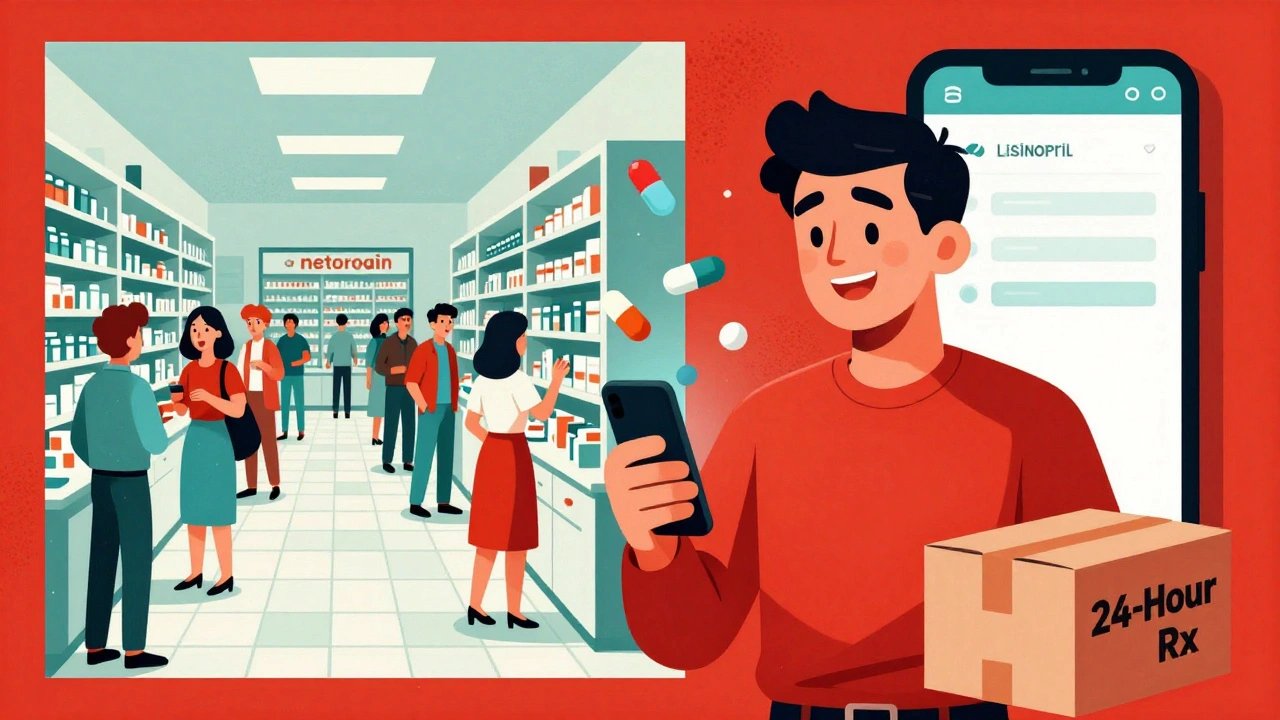
Getting your generic medications shouldn’t feel like a chore. Yet for years, people have been stuck waiting weeks for a doctor’s appointment, driving to a pharmacy, and paying full price for pills that cost pennies to make. Now, with app-based prescribing, you can get the same generic drugs - at 80% less than brand names - delivered to your door in under 24 hours. No waiting rooms. No awkward conversations. Just a few taps on your phone.
How app-based prescribing actually works
It starts with a simple questionnaire. You open an app like Ro, Hims & Hers, or Amazon RxPass, answer a few questions about your symptoms or condition, and upload a photo of your ID. Within minutes, a licensed U.S. doctor reviews your info. If they approve, they send an e-prescription directly to a partnered pharmacy. The medication ships the same day - often with tracking and delivery alerts built right into the app. This isn’t magic. It’s streamlined healthcare. The average time from start to prescription is 12 to 18 minutes, according to Spaceotechnologies’ 2025 benchmark. Compare that to the 24 to 72 hours it usually takes with traditional clinics. And the savings? Generic medications on these platforms cost 30% to 50% less than retail pharmacy prices. For common drugs like metformin, lisinopril, or sertraline, you’re often paying $5 to $15 instead of $40 to $80.Who’s leading the market in 2025?
Four platforms dominate the space, each with a different approach. Amazon RxPass is the simplest. For $5 a month, Prime members get unlimited access to over 150 generic medications. No consultation fee. No per-pill charges. Just pick your drug, confirm your address, and wait for delivery. It’s ideal for people on stable, long-term meds like blood pressure or cholesterol pills. But it’s limited - only 150 drugs, and no new conditions can be diagnosed through the app. If you need something outside that list, you’re out of luck. Ro covers 1,200+ medications across 15 categories: from thyroid issues to acne to depression. They use board-certified doctors in all 50 states and offer follow-up care. Their monthly subscription is $15, plus the cost of meds. It’s more expensive than Amazon, but far more flexible. Ro also integrates with Apple Health, so your prescriptions sync with your other health data. Their diabetes program saw 89% adherence rates - way higher than the 67% average in traditional care. Hims & Hers focuses on lifestyle meds: erectile dysfunction, hair loss, skincare. They’re the most branded of the bunch, with slick marketing and a clear niche. Their pricing is per-prescription: $25 to $45 for the consult, plus the drug. Generics here are 40% to 60% cheaper than retail. But they don’t handle complex or chronic conditions. If you have diabetes or heart disease, this isn’t the place. Beem Health stands out by tying prescriptions to financial help. For users who need meds but can’t afford them upfront, Beem offers cash advances up to $1,000 through its Everdraft™ feature. It’s not a loan - it’s an advance on your next paycheck. They’ve built a loyal user base of 5.1 million, mostly young adults juggling bills and meds. Their Trustpilot score is 4.2/5 - the highest among major platforms.What you can and can’t get
Not every drug is available. Controlled substances - opioids, benzodiazepines, stimulants - are strictly off-limits. This isn’t a loophole; it’s federal law. Even over-the-counter drugs like Adderall or Xanax can’t be prescribed through these apps. Also, some states have strict rules. In 22 states, you need an existing relationship with a provider before you can get a prescription. That means if you’ve never seen a doctor in that state, you might be blocked - even if you’re just visiting. Prescription approval rates hover around 65% to 75%. That’s not because doctors are being picky - it’s because they’re doing their job. If your symptoms don’t match the diagnosis, or if you’re already on conflicting meds, they’ll deny it. That’s protection, not a bug.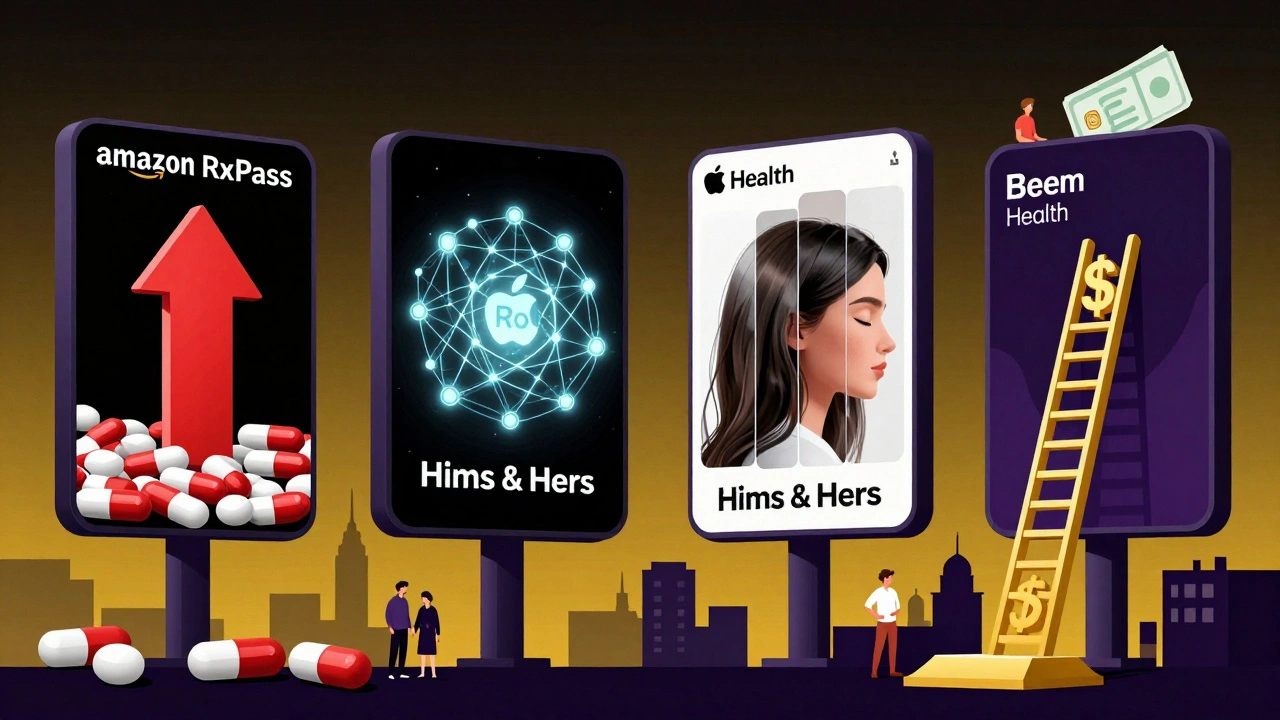
Cost breakdown: Subscription vs. pay-per-use
Here’s how pricing shakes out in 2025:| Platform | Monthly Fee | Consultation Cost | Generics Covered | Best For |
|---|---|---|---|---|
| Amazon RxPass | $5 | $0 | 150 | Stable, long-term meds |
| Ro | $15 | $0 | 1,200+ | Multiple conditions, ongoing care |
| Hims & Hers | $0 | $25-$45 | 120 (lifestyle focus) | ED, hair loss, skincare |
| Beem Health | $0 | $0-$35 | 800+ | Financial strain, cash flow issues |
If you’re on just one or two meds, Amazon RxPass saves you the most. But if you need flexibility - say, you’re trying new treatments or managing multiple issues - Ro’s broader coverage is worth the extra $10. Hims & Hers is great if your only need is hair loss or ED. Beem is the only one that helps you pay for it.
Real user experiences
On Reddit’s r/telehealth, users praise the discretion. One person wrote: “I got my antidepressant without telling my mom I was seeing a doctor. She thought I was just stressed.” Another said: “I paid $5 for my blood pressure pills instead of $47 at CVS. That’s a no-brainer.” But complaints are real too. Over a third of users report prescription denials. Some say they get stuck in automated chatbots when they need help. Others mention pharmacies substituting different generic brands without warning - leading to side effects or confusion. A 2025 JAMA Internal Medicine study found these apps prescribe medications 23% more often than traditional clinics for the same symptoms. That’s not always bad - sometimes, doctors in clinics are too slow to act. But it raises red flags. The FDA issued 12 warning letters to telehealth companies in early 2025 for downplaying risks. Some platforms market drugs like they’re snacks, not medicine.What you need to know before you start
Start with a clear goal. Are you managing a chronic condition? Or just need a quick fix for something minor? That determines which app to pick. Make sure you’re on a stable internet connection. Apps like Ro and Beem use video consults - if your connection drops, you’ll have to restart. Upload a clear photo of your ID. Blurry images cause delays. One user on Reddit said: “I got denied twice because my license looked like a potato. Third try, I used my phone’s OCR. Got approved in 10 minutes.” Don’t assume insurance works here. About 40% of users try to use insurance and hit a wall. Most of these platforms don’t bill insurance directly. You pay out-of-pocket, then submit receipts manually for reimbursement - if your plan allows it.
Is this safe?
Yes - if you use the right platform. All major services use HIPAA-compliant encryption, biometric login (Face ID, fingerprint), and third-party security audits. Your data isn’t sold. Your prescriptions aren’t shared with marketers. But safety isn’t just about tech. It’s about care. These apps aren’t meant to replace your primary doctor. They’re for routine, low-risk meds. If you have heart disease, liver issues, or take five or more drugs, stick with your regular provider. Fragmented records are the biggest risk. A 2025 survey found 37% of pharmacists couldn’t access full medication histories for patients using multiple apps. That’s how dangerous interactions happen.The future is hybrid
The best platforms aren’t trying to replace clinics - they’re trying to fill gaps. Ro is syncing with Apple Health. Beem is preparing for Medicare Part D integration in 2026. Amazon plans to expand RxPass to 300 drugs by next year. The goal isn’t to make doctors obsolete. It’s to make basic care faster, cheaper, and less stressful. For millions of people, that’s already working.What to do next
If you’re on a stable medication and want to save money, try Amazon RxPass. It’s the easiest entry point. If you have multiple conditions or want ongoing support, go with Ro. Their doctor follow-ups and health integration make a real difference. If you’re struggling to pay for meds, Beem’s cash advance feature could be a lifeline. And if you’re unsure? Download two apps - Ro and Amazon - and compare. The first consultation is usually free. See which interface feels better. Which one answers your questions clearly. This isn’t about choosing the cheapest app. It’s about choosing the one that fits your life.Can I get any prescription through these apps?
No. Controlled substances like opioids, Xanax, Adderall, and other Schedule II-IV drugs are not available. These platforms only handle non-controlled, generic medications for common conditions like high blood pressure, depression, acne, allergies, and cholesterol. You can’t get new diagnoses for complex conditions like diabetes or heart disease unless the platform specifically supports it - and even then, they’ll often refer you to a specialist.
Are these apps cheaper than my local pharmacy?
Almost always. Generic medications on these platforms cost 30% to 85% less than retail prices. For example, metformin (a common diabetes drug) costs $45 at CVS but just $5 through Amazon RxPass. Lisinopril for blood pressure runs $60 at Walgreens but $8 on Ro. Even without a subscription, per-prescription pricing is usually lower than paying full price at a pharmacy.
Do I need insurance to use these apps?
No. Most of these platforms don’t accept insurance directly. You pay upfront with a credit card or Apple Pay, then submit receipts to your insurer if your plan allows out-of-network reimbursement. About 40% of users try to use insurance and run into issues - so it’s best to assume you’ll pay out of pocket. The upside? You often pay less than your insurance copay would be.
How fast do the medications arrive?
Most orders ship within 24 hours of approval. Standard delivery takes 2-5 business days. Same-day or next-day delivery is available in major cities through partners like UPS or local pharmacies. Ro and Beem offer real-time tracking. Amazon RxPass uses Prime shipping, so delivery is often next-day for Prime members.
What if my prescription gets denied?
Denials happen in 25-35% of initial requests. Common reasons: unclear symptoms, existing drug interactions, or lack of medical history. If denied, you can request a review or schedule a follow-up video call with a different doctor. Some platforms, like Ro, let you upload additional records. Don’t give up - many users get approved on the second try. If you’re unsure why you were denied, ask for a written explanation - it’s your right.
Are these apps safe for seniors?
They can be, but with caution. Only 18% of seniors use these apps, mostly because they’re less familiar with smartphones or prefer in-person care. If a senior uses one, it’s best to have a family member help with setup. Avoid apps that don’t offer phone support. Ro and Beem have live phone lines. Amazon RxPass doesn’t. Also, seniors often take multiple medications - and app-based platforms don’t always sync with their full medical history. Always inform your primary doctor if you start using one.
Can I switch from my current pharmacy to one of these apps?
Yes, but don’t cut ties with your regular doctor. These apps are great for routine, low-risk meds - not complex care. If you’re on insulin, anticoagulants, or seizure meds, keep your current pharmacy and provider. Use the app only for things like allergy pills, blood pressure meds, or antidepressants that don’t require frequent monitoring. Always keep a printed list of all your meds, including what you get from apps, and share it with your primary care doctor every 6 months.
James Kerr
December 1, 2025 AT 23:13shalini vaishnav
December 3, 2025 AT 23:04vinoth kumar
December 5, 2025 AT 18:22bobby chandra
December 6, 2025 AT 06:07Archie singh
December 7, 2025 AT 14:47Gene Linetsky
December 8, 2025 AT 01:46Kidar Saleh
December 8, 2025 AT 22:04Chloe Madison
December 9, 2025 AT 08:48Vincent Soldja
December 11, 2025 AT 00:49Rashmin Patel
December 12, 2025 AT 16:20