
 Jan, 29 2026
Steroid Tapering Calculator
Calculate Your Safe Taper
Why This Matters
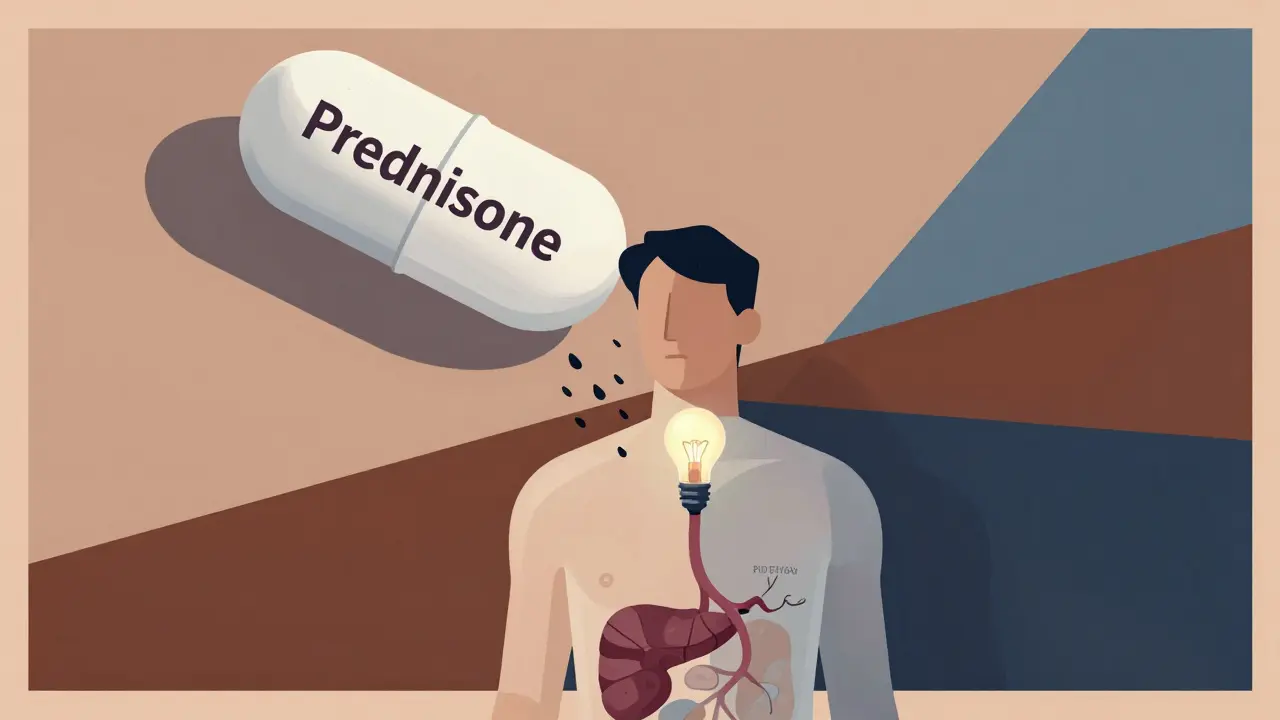
Sudden steroid withdrawal can cause adrenal insufficiency, a potentially life-threatening condition. Proper tapering allows your adrenal glands to gradually restart natural cortisol production.
Important: This calculator provides general guidance only. Always consult your doctor before stopping steroids. If you're currently taking steroids and have symptoms of adrenal insufficiency (severe fatigue, nausea, dizziness), seek emergency medical care immediately.
Your Tapering Schedule
Enter your steroid details above to see your personalized tapering schedule.
Why Stopping Steroids Suddenly Can Be Dangerous
People often think of corticosteroids like prednisone or dexamethasone as just another pill to take when they’re sick. But if you’ve been on them for more than a few weeks, stopping cold turkey can trigger something life-threatening: adrenal insufficiency. This isn’t a side effect you can ignore. It’s a medical emergency that can sneak up days after you stop the medication, with symptoms that look like the flu, depression, or even a bad case of fatigue. And if you don’t recognize it fast enough, it can lead to adrenal crisis - shock, coma, even death.
The problem isn’t rare. About 1 to 3% of adults in the U.S. are on corticosteroids right now, often for asthma, rheumatoid arthritis, or autoimmune conditions. And according to the National Institute of Diabetes and Digestive and Kidney Diseases, the most common cause of adrenal insufficiency overall is suddenly stopping these drugs after long-term use. Even low doses - like 5 mg of prednisone a day - can shut down your body’s natural cortisol production if taken for more than four weeks. That’s shorter than many people think.
How Your Body Stops Making Cortisol
Your body naturally makes cortisol, a hormone that helps you handle stress, control blood sugar, regulate blood pressure, and keep your immune system in check. That production is controlled by a chain: your hypothalamus sends a signal to your pituitary gland, which tells your adrenal glands to make cortisol. This is called the HPA axis.
When you take synthetic steroids like prednisone, your body thinks it’s getting plenty of cortisol already. So it shuts down the signal. Over time, your adrenal glands shrink from lack of use. They forget how to make cortisol on their own. It’s like a muscle that’s been idle too long - it loses strength.
When you stop the pills, your body doesn’t magically restart. It can take weeks, sometimes months, for your adrenals to wake up again. In the meantime, you’re running on empty. And if you face any kind of stress - an infection, surgery, even a bad night’s sleep - your body has no backup. That’s when adrenal crisis hits.
What the Symptoms Look Like (And How They’re Often Mistaken)
Early signs of adrenal insufficiency are easy to miss because they overlap with so many other conditions:
- Severe fatigue that doesn’t get better with rest (reported in 85% of cases)
- Loss of appetite and unexplained weight loss (72%)
- Nausea, vomiting, or stomach pain (68%)
- Muscle weakness and joint pain (65%)
- Low mood, irritability, or depression (58%)
These symptoms usually show up 24 to 72 hours after your last dose. But here’s the catch: doctors often mistake them for viral infections, anxiety, or burnout. A 2023 case report described a woman who went to the ER with nausea and fever after stopping dexamethasone. She was treated for a urinary tract infection - until her blood pressure kept dropping. Only then did someone suspect adrenal insufficiency. She got IV hydrocortisone and improved within hours.
On patient forums, the same story repeats: “My doctor said it was just post-viral fatigue.” “I was told I was being dramatic.” “I thought I was just tired from stress.” The average time from symptom onset to correct diagnosis? Over three weeks. By then, many are already in crisis.
Adrenal Crisis: When It Turns Life-Threatening
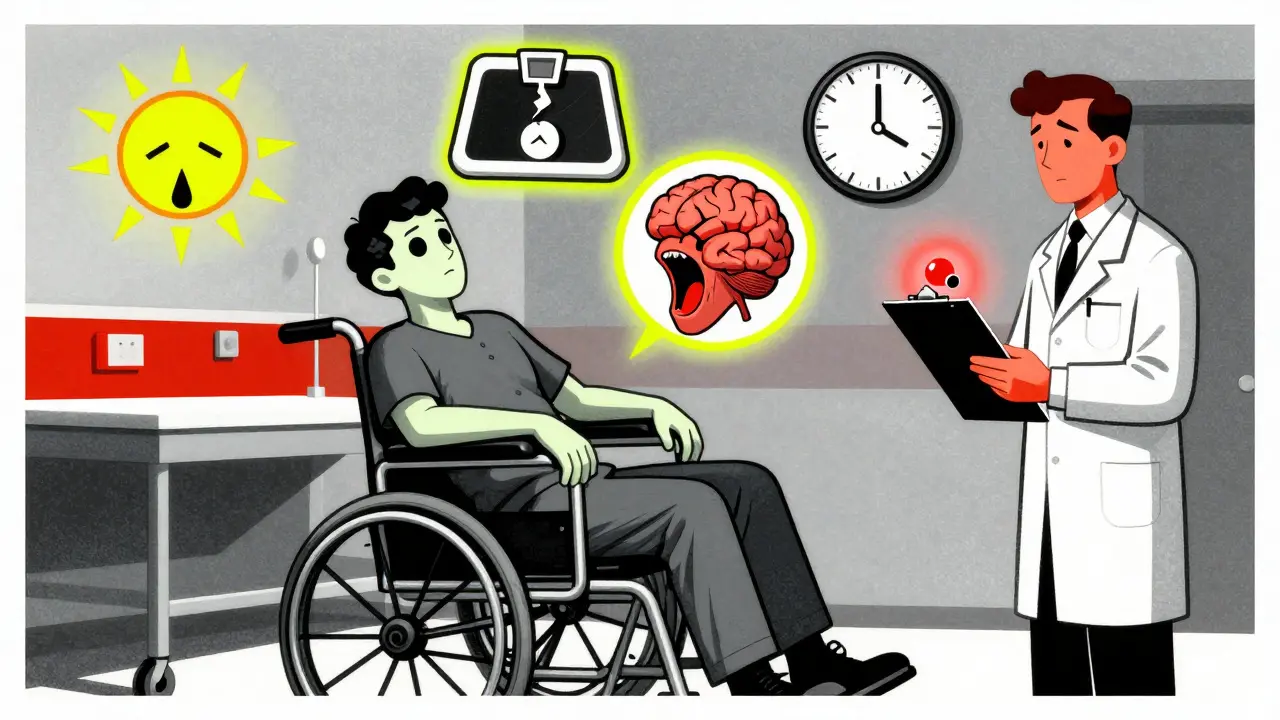
If adrenal insufficiency isn’t treated, it can spiral into adrenal crisis. This is when your body completely runs out of cortisol during a physical stressor. Symptoms include:
- Sharp drop in blood pressure
- Severe dehydration
- Confusion, dizziness, or loss of consciousness
- High fever or low body temperature
- Shock
Without treatment, mortality rates hit 6%. That’s why emergency teams are trained to give 100 mg of IV hydrocortisone immediately if adrenal crisis is suspected. Blood pressure usually improves within 30 to 60 minutes. But if you wait, the damage can be irreversible.
What makes this worse is that people often don’t know they’re at risk. Many assume they’re safe if they were on steroids for only a few weeks. But research now shows that even short courses - under four weeks - can suppress the HPA axis. And low doses aren’t harmless either.
How to Taper Steroids Safely
There’s no one-size-fits-all taper. But there are proven guidelines:
- If you were on more than 20 mg of prednisone daily for over 3 weeks, you need formal testing before stopping.
- For doses above 20 mg: reduce by 2.5-5 mg every 3-7 days.
- For doses between 5-20 mg: reduce by 1-2.5 mg every 1-2 weeks.
- If you’ve been on steroids for more than 6 months, slow it down even more - sometimes over 3-6 months.
Some patients need to hold at a low dose (like 2.5 mg) for weeks before stopping completely. Others need to switch to a longer-acting steroid like hydrocortisone during tapering to mimic natural cortisol rhythms.
Don’t guess. Don’t follow advice from Reddit or YouTube. Work with your doctor to create a personalized plan. And if you’ve been on steroids for more than four weeks, ask for an ACTH stimulation test before stopping. It measures how well your adrenals respond - and whether you’re safe to quit.
What Every Patient Needs to Know
Since 2021, the FDA has required all systemic corticosteroid prescriptions to include a patient guide warning about adrenal insufficiency. But most people never read it. Here’s what you need to do:
- Get a medical alert bracelet or card that says “Adrenal Insufficiency - Requires Steroid Coverage.”
- Carry an emergency injection of hydrocortisone (100 mg) and know how to use it. Many pharmacies can fill this with a standing prescription.
- Have a written action plan: When to double your dose (during illness, fever, injury, or surgery), and when to go to the ER.
- Tell every doctor you see - even dentists - that you’re at risk. A simple tooth extraction can trigger crisis if you’re not covered.
A 2023 Mayo Clinic study found that patients who had a written plan and injection training were 79% more likely to avoid hospitalization. That’s not just helpful - it’s life-saving.
What’s Changing in 2026
There’s new hope on the horizon. In 2024, the Endocrine Society launched a research push for point-of-care cortisol tests - devices that can give results in 15 minutes, like a glucose meter. Three prototypes are in advanced trials, with 89% accuracy.
AI is also stepping in. A 2024 study showed algorithms can predict adrenal insufficiency risk with 92% accuracy by analyzing your medication history, lab results, and comorbidities. That means in the future, your EHR might flag you before you even stop your pills.
And researchers are exploring genetic markers. A 2023 study found seven gene variants linked to slower adrenal recovery. In the next few years, we may be able to tailor tapering schedules based on your DNA.
But for now, the tools we have are simple: awareness, education, and preparation. The number of people on corticosteroids has risen 23% since 2015. That means more people are at risk. The good news? With the right knowledge, nearly all adrenal crises are preventable.
When to Call for Help
If you’ve stopped steroids in the last 6 months and you feel:
- Weak, dizzy, or nauseated for more than 48 hours
- Like you’re getting worse instead of better
- Like your body is shutting down
Don’t wait. Don’t call your doctor and wait for an appointment. Go to the ER. Say clearly: “I stopped steroids recently and I think I might have adrenal insufficiency.” Show them your emergency card. Ask for hydrocortisone. Time is everything.
Can adrenal insufficiency happen after just a few weeks of steroids?
Yes. Even short-term use - as little as 4 weeks - can suppress your body’s natural cortisol production, especially if you were on more than 5 mg of prednisone daily. The old belief that only long-term, high-dose therapy caused this problem has been disproven by recent studies.
Is adrenal insufficiency the same as Addison’s disease?
No. Addison’s disease is primary adrenal insufficiency - meaning the adrenal glands themselves are damaged, often by autoimmune disease. Adrenal insufficiency from steroid withdrawal is tertiary - your adrenals are fine, but they’ve been told to shut down by the brain. The treatment is similar, but the cause and recovery timeline are different.
Do I need to take steroids for life after stopping them?
Most people don’t. In fact, 80-90% of patients recover full adrenal function within 6 to 12 months after stopping steroids, as long as they tapered properly. But recovery varies. Some take longer, especially if they were on high doses for over a year. Blood tests (like morning cortisol and ACTH stimulation) help track recovery.
Can I just stop steroids if I feel better?
Never. Feeling better is a sign the medication is working - not that you’re ready to stop. Stopping suddenly can trigger adrenal insufficiency, even if you’ve been on it for just a few weeks. Always follow a doctor-approved tapering plan. Your body needs time to restart its own cortisol production.
What should I do if I miss a dose of my steroid taper?
If you miss one dose, take it as soon as you remember - unless it’s close to your next scheduled dose. Don’t double up. But if you miss two or more doses in a row, contact your doctor immediately. You may need to temporarily restart at your last dose and taper again. Skipping doses increases your risk of adrenal crisis.
Should I carry emergency steroids even after I’ve stopped?
Yes - for at least one year after stopping, and sometimes longer. Your adrenal glands may still be recovering. If you get sick, injured, or have surgery during that time, your body won’t respond properly. Carrying hydrocortisone injections and knowing how to use them can save your life. Many endocrinologists recommend keeping them on hand indefinitely if you’ve had adrenal suppression before.
Final Thoughts
Corticosteroids are powerful tools. They can save lives. But they come with a hidden risk that many doctors and patients still don’t fully understand. The key isn’t fear - it’s awareness. Know your risk. Know your symptoms. Know your plan. And if you’ve ever taken steroids for more than four weeks, assume your body needs help getting back on track. Don’t wait for a crisis to learn the lesson. Be prepared. Be informed. Be safe.
Kelly Weinhold
January 29, 2026 AT 16:12Okay but real talk-why is this not standard info on every prescription bottle? I was on prednisone for 6 weeks for a bad flare and my doctor just said ‘take it till it’s gone.’ No warning, no taper plan, nothing. I felt like garbage for weeks after and thought I was just ‘lazy’ or ‘depressed.’ Turns out I was basically running on fumes. If this post saves one person from feeling like they’re going crazy, it’s worth it. Please share this with anyone you know on steroids. We need to stop normalizing this silent crisis.
Jason Xin
January 30, 2026 AT 00:26Wow. So the real side effect isn’t the steroids-it’s the medical system’s assumption that patients are somehow supposed to know this on their own. I’ve seen three people in my circle get admitted for adrenal crisis after being told ‘it’s just anxiety.’ One of them was my cousin. He was 28. He didn’t even know he was on steroids long enough to matter. This isn’t rare. It’s negligence dressed up as routine.
Diana Dougan
January 31, 2026 AT 12:56soooooo… uhhhh… i just stopped my 5mg prednisone after 3 weeks and now i feel like a zombie. is this normal? or am i just weak? also why does everyone act like this is news? i’ve been on reddit for 10 years and this has been a running joke since 2017. but yeah. thanks for the detailed essay. i guess.
Sazzy De
February 2, 2026 AT 02:13my doc never mentioned this. i thought i was just tired. turns out i was almost in crisis. i carry my hydrocortisone now. no regrets. if you’re on steroids, get the injection. it’s not scary. it’s just insurance for your body. seriously. do it.
Blair Kelly
February 2, 2026 AT 17:09Let me get this straight. You’re telling me that a class of drugs prescribed to millions of Americans every year-drugs that are literally sold in bulk at CVS-comes with a life-threatening withdrawal risk… and the FDA only mandated a patient guide in 2021? That’s not a gap in knowledge. That’s a systemic failure. And now we’re waiting for AI to fix what doctors and regulators refused to prioritize? This isn’t medicine. This is Russian roulette with cortisol.
Rohit Kumar
February 3, 2026 AT 08:35In India, we often think of steroids as miracle pills-quick fix for everything from allergies to joint pain. No one talks about the cost. No one talks about the silent shutdown inside the body. I’ve seen elderly patients stop their steroids cold after a festival, then collapse at temple. No one connects the dots. This post is not just medical advice-it’s cultural education. We must teach this in homes, in clinics, in schools. The body does not lie. It only whispers until it screams.
Lily Steele
February 3, 2026 AT 17:35i had no idea this was a thing until i almost passed out after my last pill. now i have a bracelet and an injection in my purse. my doctor was surprised i knew what to ask for. you shouldn’t have to be the expert on your own body. but here we are. please just tell people. it’s not complicated. it’s just ignored.
Gaurav Meena
February 5, 2026 AT 05:11As someone who has worked in rural clinics across India, I can confirm: this issue is global. Patients don’t understand tapering because no one explains it in simple terms. We use analogies now-‘your adrenal glands are like a phone that’s been on low-power mode for months. You can’t just turn it back on.’ We’ve seen a 40% drop in ER visits since we started handing out printed one-pagers with the warning signs. Awareness saves lives. Thank you for this.
Natasha Plebani
February 6, 2026 AT 01:05The HPA axis suppression mechanism is a textbook example of negative feedback loop dysregulation at the neuroendocrine level. Synthetic glucocorticoids bind GR and MR receptors with higher affinity and longer half-lives than endogenous cortisol, leading to transcriptional downregulation of CRH and ACTH via glucocorticoid response elements in the hypothalamus and pituitary. This results in adrenal cortical atrophy, which is not merely functional but structural-confirmed via MRI in longitudinal studies. The recovery window is highly variable due to epigenetic modulation of steroidogenic enzymes like StAR and CYP11A1. Current clinical guidelines are woefully inadequate for predicting individual recovery trajectories. We need pharmacogenomic-guided tapering protocols, not arbitrary mg reductions based on outdated protocols from the 1980s.
Rob Webber
February 6, 2026 AT 22:39THIS IS A MASSIVE COVER-UP. I’ve been fighting with my endocrinologist for two years because I kept asking for an ACTH test before stopping. They kept saying ‘you’re fine.’ I almost died. I had to go to the ER screaming ‘I NEED HYDROCORTISONE’ while my blood pressure was at 70/40. And now they’re talking about AI and genetic markers? What about the people who died before 2024? What about the ones still being told it’s ‘just stress’? This isn’t science. This is corporate medicine ignoring its own patients until it’s too late. I’m not just mad. I’m terrified for everyone else who doesn’t know this.